Foreign Policy In Focus


FPIF is a project of
Institute for Policy Studies (202)234-9382


Support FPIF
Please donate your economic stimulus rebate to a progressive future.


Subscribe to
World Beat

FPIF's weekly ezine


Lessons from Iraq

FPIF's latest book assesses the wreckage from Iraq and highlights key lessons for our foreign and military policy.


Iran in the Crosshairs

An easy to read primer with common questions and answers about a possible war with Iran.


FPIF Picks

By Mark Engler


By David Maraniss


Postcard from ...
Dhaka
By Saif Rahman

Postcard from ...
Freetown
By Joseph Kaifala


Just Security

Current U.S. foreign policy is unjust and breeds insecurity. This report charts a new relationship between the United States and the world.


FPIF in the NewsFPIF in the News

Jul 23, 2008
FPIF Peace and Security Editor Miriam Pemberton was quoted in a review in Truthout of Lessons from Iraq: Avoiding the Next War, a book she co-edited.

Jul 21, 2008
IPS Director John Cavanagh was quoted in "Obama's Evolving Foreign Policy," an article in The Nation.

Jul 21, 2008
FPIF Research Fellow Erik Leaver was quoted by Reuters in an article about U.S. military spending and prospects for the government cutting back on it after the next president takes office.

Jul 21, 2008
FPIF Co-Director Emira Woods was quoted in an article in the Washington Independent about AFRICOM.

Jul 16, 2008
FPIF Peace and Security Editor Miriam Pemberton was interviewed on KPFK Radio (Los Angeles) about Iraq, Guantanamo, Afghanistan, and Lessons from Iraq: Avoiding the Next War, a book she co-edited.


Michael KlareRussia and Georgia: All About Oil
Columnist Michael Klare explains that the war between Russia and Georgia centers around a critical oil pipeline that runs through South Ossetia and that Russia doesn't control.


Strategic Focus: Sports and Foreign Policy

Sports and Foreign Policy

Forty years after the historic 1968 Olympics, the eyes are on Beijing. FPIF explores what impact the Olympics will have on China, the role of sports and politics, and what governments and social movements hope to achieve at this year's games.

An Athlete at War
Devin West | August 21, 2008

Boots on the Ground by Dusk stands as a blistering indictment of how the military and the Bush administration responded to the death of Pat Tillman, the nation's most famous soldier.

Sports as a Resource of Hope
Grant Jarvie | Aug 20, 2008
While it's easy to get swept up in the commercialism at major sports events, one shouldn't ignore the transformative capacity of sport to produce social change.

Clearing the Hurdles
Maquila Solidarity Network | Aug 20, 2008
The 2008 Beijing Olympics represents a golden opportunity for the brand-conscious sportswear industry to associate its products with the cherished Olympic brand.

Beijing’s Extreme Make-over: Is it worth it?
Michael Stulman | August 15

Will the Bird's Nest and the massive construction projects undertaken for the summer Olympics in Beijing do more harm than good once the Olympic flame is extinguished?

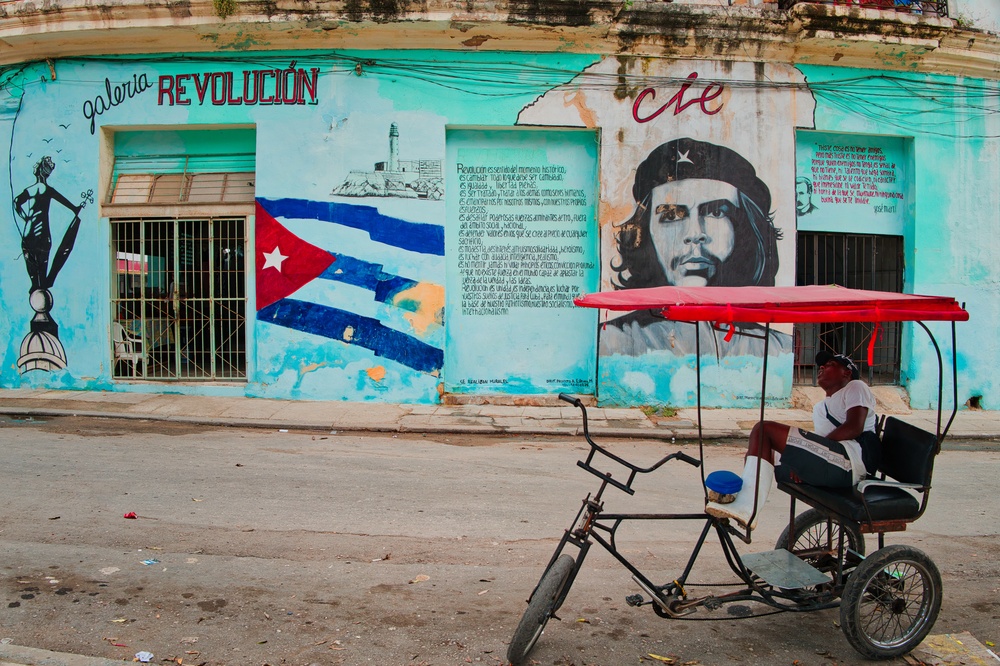
Baseball—Big and Little: Its Role in U.S.-Cuba Relations
Saul Landau | August 8, 2008
Perhaps young athletes from New England and Alabama can bring down the level of government irrationality on U.S.-Cuba policy a peg or two.

The Double-Edged Sword of Sport and Political Protest
Roger Levermore | August 6, 2008
There are some signs that the ever-globalized mass media is helping to portray sport-led political protest to a large audience, yet the effectiveness of the protests surrounding the 2008 Olympics in China will quickly fade away.

more...


Food Crisis

Food prices are up all over the world. Is the current food crisis a temporary problem or a sign of something more serious?

The food price crisis has made demand more acute and supplies even scarcer, writes Sophia Murphy in Food Aid Emergency, but it hasn't really changed the underlying problems with food aid as a response to hunger.

There are no easy answers to the food crisis, according to Alexandra Spieldoch in The Food Crisis and Global Institutions ... but there is hope, if we have the political will.

In Mad Cows, Mad People, Gavan McCormack asks, what's the relationship between the beef crisis in South Korea, the humanitarian crisis in North Korea, and the global food crisis?

In The Commodities Bubble, Sameer Dossani explains the economics behind the food crisis.

John Feffer writes in Mother Earth's Triple Whammy, if you think the current global food crisis is something new, just ask the North Koreans.

The World Bank and the IMF are the real culprits behind the current food crisis, argues columnist Walden Bello in Destroying African Agriculture.


Spotlight on the Candidates

Chess vs Checkers: It is rare for a candidate to ask Americans to take a step back and think strategically about the national security problems facing the United States.


John McCain and IRI: The presidential candidate has many questions to answer about the taxpayer-funded organization.


Obama's Right Turn?: In his recent AIPAC speech, Barack Obama veers right.


Obama, McCain, and Munich: The president and the Republican presidential candidate are calling Barack Obama an appeaser. They've got their history and their diplomacy all wrong.


Comparing the Candidates: Obama, Clinton, and McCain on Foreign Policy: FPIF Policy Outreach director Erik Leaver looks behind the hype to the records, advisors, and promises of the presidential candidates in this special feature for Yes! Magazine.

The Candidates and Iran: The candidates' positions on Iran are not just about war and peace.


More ...

FPIF Strategic Dialogue

On Pakistan

The United States must support the ongoing talks between Pakistan and its local Taliban, according to Mehlaqa Samdani. Sharad Joshi asserts that Pakistan is in danger of giving away too much to its local Taliban in the current talks. In a continuation of the discussion of Pakistan's negotiations with extremists within its borders, three experts, Mehlaqa Samdani, Sharad Joshi, and Tarique Niazi, take issue with each other.


Fiesta!

Genocide is horrifying, but it's not always a black-and-white issue, as Frankie Sturm explains in Picturing Genocide.


Music can change hearts and minds, and help bring down empires, writes Stephen Zunes in Estonia's Singing Revolution.


On the 100th anniversary of Richard Wright's birth, E. Ethelbert Miller interviews three scholars on the writer's take on Africa and colonialism.


Music, foreign policy, and activism don't often go together. One band is changing that. Saif Rahman talks to Jonny 5 of the Flobots about their music, views on foreign policy, the Democratic National Convention being held in their hometown, and their hopes for the movement and this country.


Annotate This ...

The U.S. rationale for skipping the cluster bomb negotiations is truly off the wall. Daniel Allen analyzes the official U.S. response.


Youth and Activism

Dedrick Muhammad and Farrah Hassen argue that we can't ignore Christian Zionists' influence on U.S. policy toward the Middle East in Christians United for Israel and Attacking Iran.


In Hungry for Justice, Indian guest workers, brought to the United States to help rebuild following hurricanes Katrina and Rita, hold a hunger strike to protest abuse by Signal International.


The United States needs to practice at home what it preaches abroad, argues Patrick W. Quirk in Democracy Promotion Doublespeak.


Peace and Security
Sharp Attack Unwarranted
Stephen Zunes
The campaign against Gene Sharp and the Albert Einstein Institution is beyond bizarre.

Learning from the Soviets in Afghanistan
Yelena Biberman
By withdrawing from Iraq, the United States can learn from the mistakes the Soviet Union made in Afghanistan.

An Honorable Way Out of Iraq
Adil E. Shamoo
The Iraqis have reached a consensus—the U.S. should leave Iraq.

Multilateralism
Nuclear Recycling Fails the Test
Robert Alvarez
The debate over nuclear power is heating up, along with the planet. Can nuclear fuel recycling be part of the mix? Not a chance.

Food Safety on the Butcher's Block
Christine Ahn and GRAIN
Washington is using new free trade agreements to push U.S. food—and food safety standards—down the throats of other countries.

The World Bank's Carbon Deals
Janet Redman
As it outsources emissions cuts, the World Bank is dealing from both ends of the climate change deck.

Global Economy
How to Enter the Global Green Economy
Jonathan Rynn
To reap the environmental and economic benefits of green technology, we'll need to rebuild our manufacturing base.

The Failed Expectations of U.S Trade Policy
Robert Cassidy
A former U.S. trade negotiator criticizes U.S. trade policy.

The Democrats "Free Trade" Divide
Mark Engler
"Free trade," a key issue in the battle for the soul of the Democratic Party, is behind some of the most contentious political debates of our times.

Africa
Ballots vs. Bullets in Kenya and Zimbabwe
Briggs Bomba
The world's attention has been riveted in 2008 by election crises in Kenya and now Zimbabwe. What's next the the battle of the ballot vs. the bullet?

African Dictatorships and Double Standards
Stephen Zunes
Washington has rightly condemned human rights abuses in Zimbabwe. So why not Equatorial Guinea?

AFRI(OIL)COM
Antonia Juhasz
Will the next war for oil be in Africa?

Americas
Three Amigos Summit
Manuel Pérez Rocha and Sarah Anderson
The NAFTA-expanding Security and Prosperity Partnership is too cozy with big business.

Cuba's Post-Castro Revolutionary Transition
James Early
It's time to honestly step forth and engage Cubans and their government on the terms they negotiate inside their own country.

Getting Smart About Cuba
Lissa Weinmann
Now that Fidel Castro has stepped down, it's time to derail the embargo gravy train.

Asia
The Abduction Narrative of Charles Robert Jenkins
John Feffer
Japan is obsessed with the North Korean abduction issue. A new book by a U.S. defector sheds light on this obsession.

Japan and the Future of Nuclear Disarmament
Masako Toki
The disarmament movement is poised to make great strides in the next few years. Much may depend on Japan.

South Korea's Beef with America
Christine Ahn
South Korean concerns over American beef imports are legitimate.

Eurasia
Hunger Strikers Take on Radar Base
Joanne Landy and Thomas Harrison
Two Czech peace activists went on a hunger strike to protest a proposed U.S. radar base in their country. Their message is spreading.

The National Future of Belarus
Jan Grinberg
Will Belarus buck the recent trend and give up its sovereignty to merge with Russia?

Next Moves in Kosovo
David Young
Kosovo is on the verge of independence. What can Washington and Brussells do to overcome Serbian and Russian opposition?

Syndicate FPIF
RSS 2.0 RSS 2.0 Feed
NEW! Most Recent
FPIF Content

On the Brink of Peace in the Middle East?
Benjamin Tua
Aug 21, 2008

The Goldilocks Apocalypse
John Feffer
Aug 21, 2008

An Athlete at War
Devin West
Aug 21, 2008

Sports as a Resource of Hope
Grant Jarvie
Aug 20, 2008

Clearing the Hurdles
Maquila Solidarity Network
Aug 20, 2008

Fallujah Fall Guy
Aaron Glantz
Aug 20, 2008

What To Do Now in Georgia
Ian Williams
Aug 19, 2008

Pop 'til We Drop?
Vol. 3, No. 33
Aug 19, 2008

Would There Be Change in Obama's Americas Policy?
Laura Carlsen
Aug 19, 2008

Big Three Block Iran Attack
William O. Beeman
Aug 18, 2008

Christians United for Israel and Attacking Iran
Dedrick Muhammad and Farrah Hassen
Aug 18, 2008

Russia's Anti-Democratic Paradox
Anna Arutunyan
Aug 15, 2008

Beijing's Extreme Make-over: Is it worth it?
Michael Stulman
Aug 15, 2008

U.S. Role in Georgia Crisis
Stephen Zunes
Aug 14, 2008

Russia and Georgia: All About Oil
Michael Klare
Aug 13, 2008

Die Hard
Vol. 3, No. 32
Aug 12, 2008

Behind the Surge in Iraqi Women Suicide Bombers
Steve Niva
Aug 11, 2008

Postcard from...Dhaka
Saif Rahman
Aug 11, 2008

Baseball – Big and Little: Its Role in U.S.-Cuba Relations
Saul Landau
Aug 8, 2008

Food Aid Emergency
Sophia Murphy
Aug 7, 2008


Military Footprint Focus U.S. Military Footprint

The United States maintains more than 700 bases around the world and is pushing to set up even more. What are these bases doing, how is the Pentagon rethinking their functions, and how can we reduce this military footprint?


Religion and Foreign Policy

A look at the role of religion in global affairs. Read about missionaries, monks, and the intersection of monotheism and modernity.


World Social Forum Focus
WSF Focus

A new stage in the evolution of the global justice movement was reached with the inauguration of the World Social Forum (WSF) in Porto Alegre, Brazil, in January 2001. Six years later, what's the result?

Erinc Yeldan, Bret Benjamin,Guacira César de Oliveira, Patrick Bond, Jamal Juma', Melanie Joseph, Rita Thapa, Adam Ma'anit, Walden Bello, Emira Woods


China Special Focus
China Focus

With China emerging as the new global go-to guy, FPIF assesses this growing influence and its impact on U.S. foreign policy.

Introduction, Central Asia, Arms Sales, Partnership or Competition?, Southeast Asia, India's Nuclear Deal, East Asian Security, China's Labor Law, Taiwanese Independence, Cross-Straits Unification, China and the Environment, Kung-Fu Nationalism, Debate on Labor, China in Africa, China and Human Rights, Frankenstein Alliance, Conclusion


This page was last modified on Thursday, August 21, 2008 10:22 AM
Contact FPIF's webmaster regarding the functionality of this website. Copyright © 2008, Institute for Policy Studies
1112 16th St NW, Suite 600, Washington DC, 20036 [map] | (202) 234-9382 | (202) 387-7915 fax | info@ips-dc.org

Material published and distributed by FPIF represents the views of the author(s) and does not necessarily represent the views of the board members or staff of IPS or of the FPIF editors. FPIF is committed to sponsoring a broad public dialogue about U.S. foreign policy and the role of the United States in the world.