After two cataclysmic world wars, the overriding concern for leaders of the day was engineering an international system that would increase state interdependence.

UN Origins Project Part 7: Forging a Lasting Peace
read more

After two cataclysmic world wars, the overriding concern for leaders of the day was engineering an international system that would increase state interdependence.

In a year of promises, unmatched violence, and pointed fingers, public attention has been diverted away from the Taliban and onto a new source of violent opposition. The Haqqani network is now the target of American ire in Afghanistan. Recent Haqqani attacks like the daring assault on the U.S. embassy in Kabul have infuriated the American military and political brass. As the United States confronts this persistent and lethal force, the flaws in the U.S. effort to root out terrorism and establish stable governance in Afghanistan turn out to have been inherent in the U.S. strategy since the very beginning.
Most Americans aren’t aware that the Pakistani military actually mounts attacks on Afghan soil.

In Paris, poets staged a flash mob outside the Louvre Museum. In North Carolina, they sent poems to their state legislators, calling on them to restore arts education funding to the decimated state budget. In Vancouver, BC, poets cleaned up a beach before their reading. There was a reading in solidarity with the people of Tibet in Pasadena, California, events throughout Mexico City demanding an end to violence, and “an exorcism of fear and helplessness” in Norman, Oklahoma. Poets gathered in Fez, Morocco, and Jalalabad, Afghanistan and Sharjah, United Arab Emirates.
Unsafe construction practices may have been used to build Iran’s first nuclear energy facility, Bushehr.
Once again, a Spanish judge has indicted three American soldiers for the killing of Spanish cameraman José Couso at the Palestine Hotel in the 2003.
In Europe and South America, UFO investigation is taken seriously — not debunked and stigmatized as in the United States.
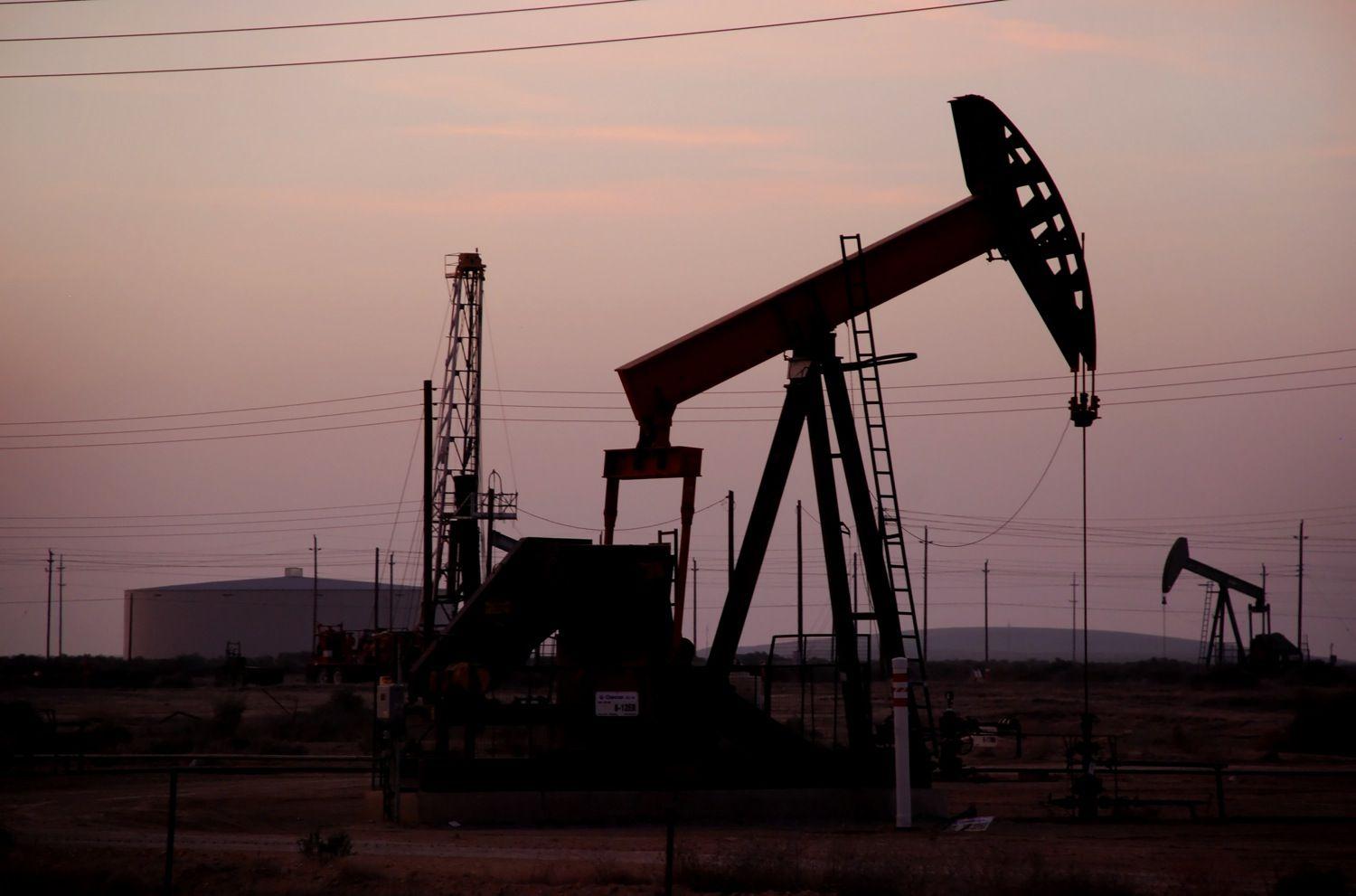
Violence escalated daily in Afghanistan with the approach of the 10-year anniversary of the U.S. invasion on October 7. At the same time, a little-noted energy agenda is moving rapidly forward that may not only deny Afghans the much needed economic benefits their energy resources could provide, but may also exacerbate insecurity and instability, ensuring a prolonged U.S. and foreign military presence. It is an agenda remarkably similar to one well underway in Iraq.

After World War II, for the first time, nations not only agreed upon liability for war crimes, but for the principle of attacking the international peace.

The Palmer Report whitewashed the Mavi Marmara attacks.