Raymond Davis’s shootings in self defense shoot went beyond not only preventive, but preemptive. Conn Hallinan at the Foreign Policy in Focus blog Focal Points.
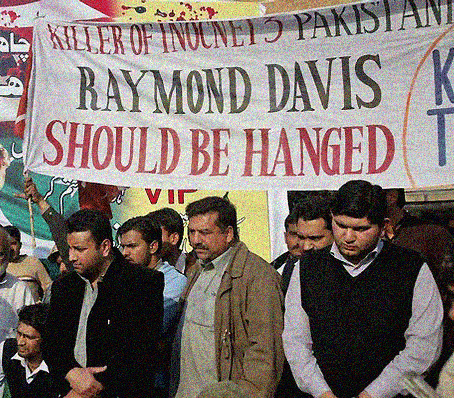
Raymond Davis Incident Shows How Tangled U.S.-Pakistan Web Is
read more

Raymond Davis’s shootings in self defense shoot went beyond not only preventive, but preemptive. Conn Hallinan at the Foreign Policy in Focus blog Focal Points.
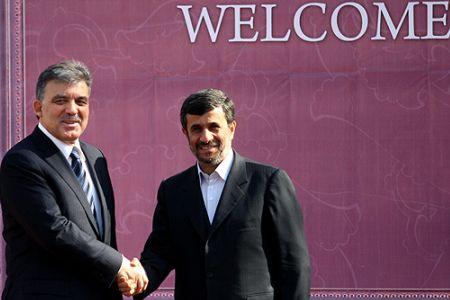
Home to the region’s biggest economies, largest middle classes, and most educated populations, Iran and Turkey represent vibrant societies with huge reservoir of both soft and hard power. Growing cooperation between the two may signal the opening of a new chapter in the Middle Eastern affairs.

Arun Kundnani is a British writer and human rights activist. He is the former editor of Race and Class, published by the Institute of Race Relations in London, and is currently an Open Society Institute fellow. In 2009, he wrote Spooked: How Not to Prevent Violent Extremism, which explored the effects of the Prevent program, the British counter-radicalism policy aimed at Muslim communities. Here he talks to John Feffer of Foreign Policy In Focus about the debate on multiculturalism in the United Kingdom, the dichotomy between “good” and “bad” Muslims, and the status of the Preventing Violent Extremism program.

Despite pointing the way to nonviolent revolution, Gene Sharp was once viciously attacked by the left.
The United States is claiming diplomatic immunity for a man who’s obviously no diplomat.
Which is worse: drone strikes or torture?
The United States is helping Bulgaria develop its military capabilities to pave the way for the new EU member to deploy to various battlefields of the war on terror.

Massoud Shadjareh is the chair and Arzu Merali the director of research of the Islamic Human Rights Commission in London, which was established in 1997. They talked with FPIF in December about Islamophobia in the United Kingdom, the rise of the far right, and the Prevent Terrorism initiative of the British government

Those in charge of the IMF and EU might do well to heed the words of the Irish poet and revolutionary.
According to a prominent national-security expert, if a clash of cultures is inevitable, U.S. foreign policy must reflect the inherent antagonism.