It is in Turkey’s best interest to act as negotiator between the hostile parties and move to the forefront of the peace-plan effort.
Attacking Syria Is a No-Win Situation for Turkey
read more

It is in Turkey’s best interest to act as negotiator between the hostile parties and move to the forefront of the peace-plan effort.

Despite its close cooperation with the IDF in arresting suspected militants, the PA does not even have total control of its own funds or its security forces.
There’s a delay between the events on the ground that a drone is target and what a drone operator sees on the screen.
Veterans struggle to come to terms with the possible immorality of their actions in war.

The United States has been funding Syria opposition groups since 2005.
To Iran, uranium enrichment is mainly intended as a bargaining chip.
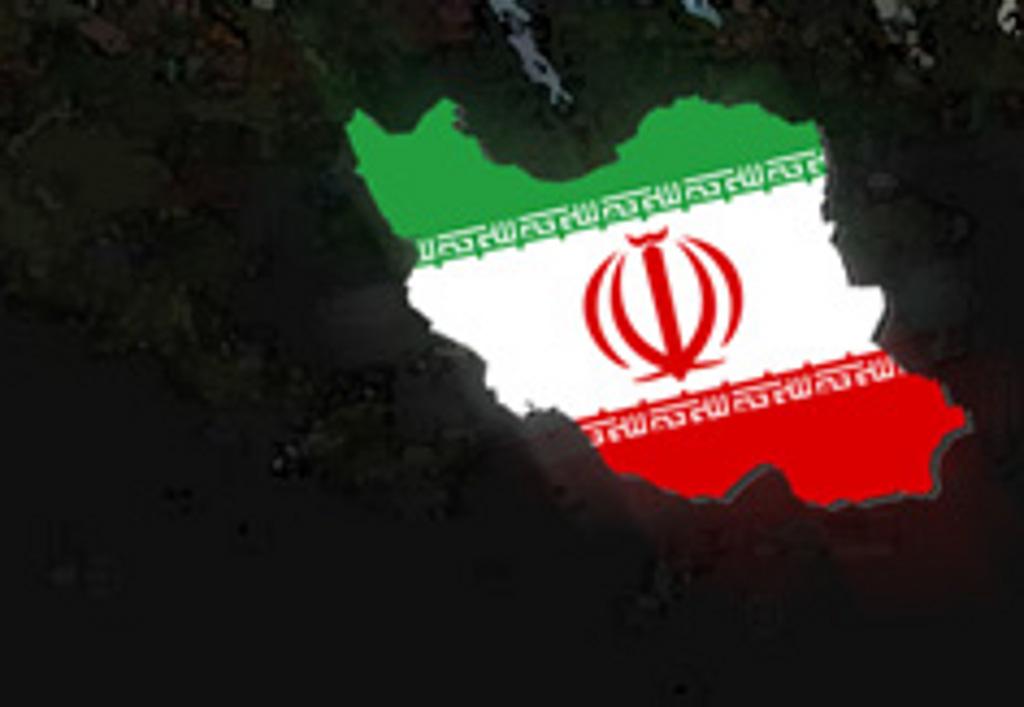
In a recent interview, the eminent geo-strategist Ian Bremmer suggested that a “nuclear-armed Iran” is inevitable because, in an emerging “G-Zero World” where no single bloc of countries can dominate international affairs, the emerging powers can frustrate the West’s efforts to thwart Tehran’s nuclear ambitions. But recent years have given lie to this argument.

“Enhanced interrogation” presents obstacles to prosecuting alleged war criminals.
Israeli Border Police’s Lebanese listeners have come to Tel Aviv to keep tabs on July 14 movement marchers.

As Turkey and Iran seek to extend their respective influence throughout the Middle East and Central Asia, their interests and regional agendas have inevitably clashed, as evidenced by their conflicting positions on the turmoil in Syria. But although divergent interests in the Syrian conflict pull Turkey and Iran in opposite directions, their mutual interests in maintaining cordial relations will likely prevent the Syrian issue from precipitating a major split.