A no-fly zone would be of little help halting the largely ground-based attacks on Libyan rebels and civilians.
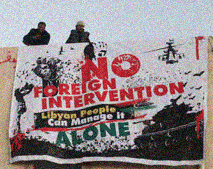
Calls for Libya No-Fly Zone an Excuse to Put American Stamp on Arab Revolution?
read more

A no-fly zone would be of little help halting the largely ground-based attacks on Libyan rebels and civilians.
Al Qaeda has tasked one of its most capable leaders with making inroads into Libya.
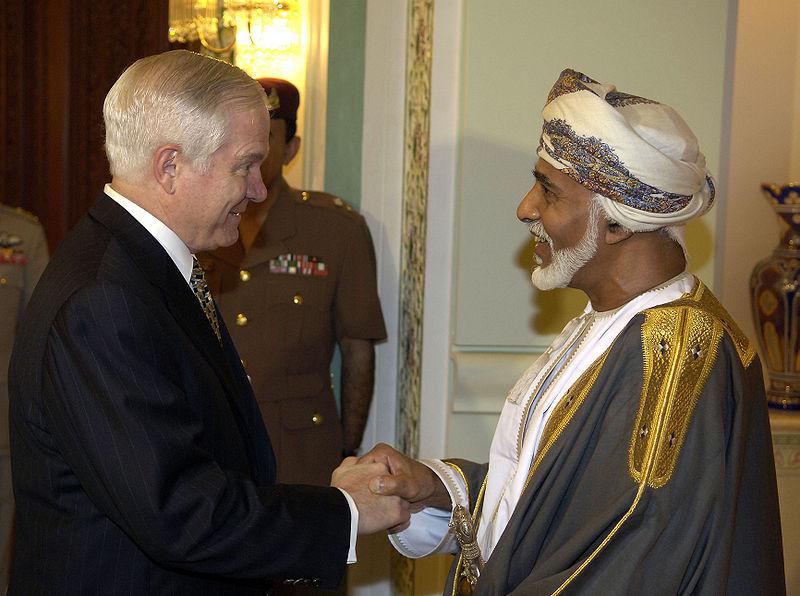
Oman’s autocratic monarchy has long been one of the closest U.S. allies in the Middle East. And, as with authoritarian U.S. allies in Tunisia, Egypt, Bahrain, and Yemen, a largely nonviolent, pro-democracy struggle has arisen in Oman as well. Oman is yet one more test of whether the Obama administration will continue to back an autocratic status quo in allied Arab countries or respect the wishes of their people, manifested through large-scale nonviolent action.
The U.S. army doesn’t put some of the dirtiest fighting ever past the Taliban.
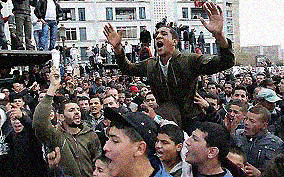
Algeria’s leaders fear that if Gaddafi falls, their hold on power will be that much more fragile.
In a distinct echo of the tactics they pursued to encourage U.S. intervention in the Balkans and Iraq, a familiar clutch of neo-conservatives appealed Friday for the United States and NATO to “immediately” prepare military action to help bring down the regime of Libyan leader Muammar Gaddafi and end the violence that is believed to have killed well over a thousand people in the past week.
Seeing Arabs demanding something we were convinced was the birthright and property of the West, of the United States in particular, has to send a shiver down anyone’s spine.
Complacency about democracy doesn’t become Americans.
After Fernando Marcos was deposed as president, the face of Philippines’ leadership changed, but the country remains mired in debt and poverty. Will Tunisia and Egypt suffer the same fate?
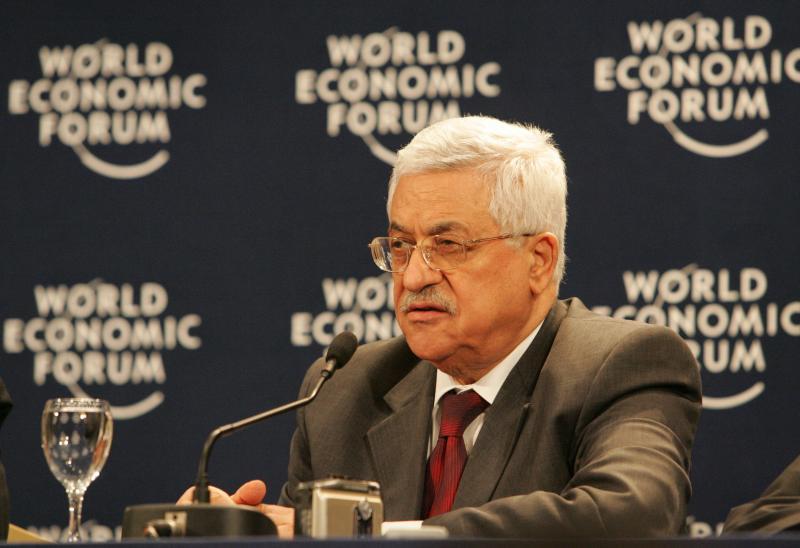
Israel has reacted to these revolutionary events in its vicinity with a very understandable fear. Crisis creates crisis. But it also creates opportunity. Israel can sit passively by and let the events within its neighbor’s borders define and dictate the reality that it will face, or it can seize the moment and be part of the change. By so doing, it can create a better reality for itself, and the region