Lustration ― screening of officials for their ties to Communist-era secret police ― is of little consequence to the new generation of East-Central Europe politicians.
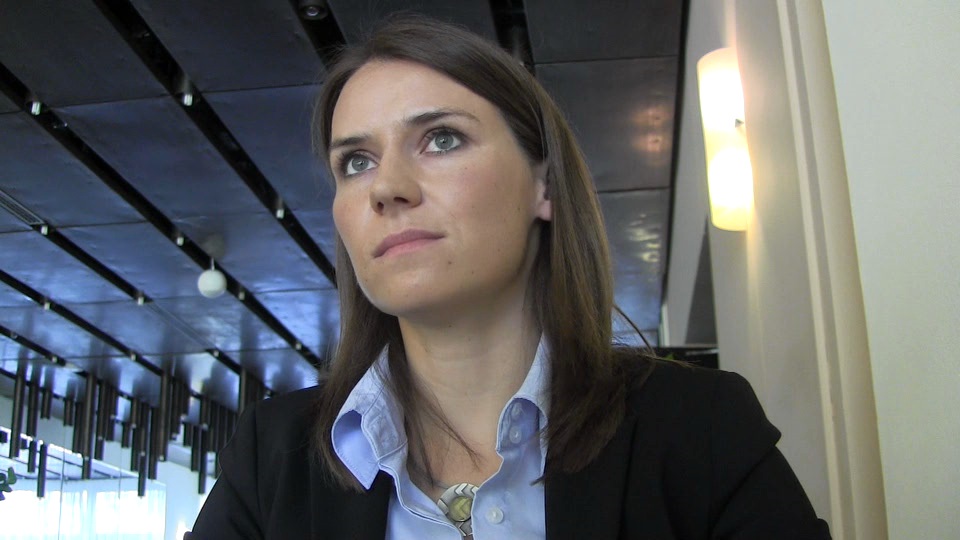
The Generational Shift in East-Central European Politics
read more

Lustration ― screening of officials for their ties to Communist-era secret police ― is of little consequence to the new generation of East-Central Europe politicians.

The world is “trapped in the fetishism of economic growth,” says Polish sociologist Ryszard Zoltaniecki and must “learn to live with zero” growth.

The Catholic church was the main vehicle for dissent in Poland before the emergence of Solidarity.
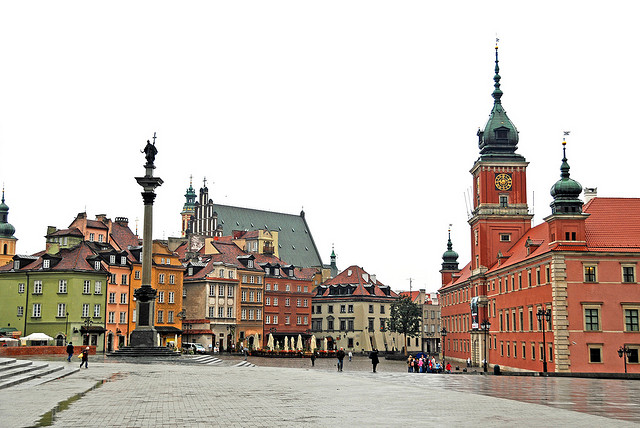
In Poland, the market has replaced Solidarity as a symbol of civil society.

Few images from the last days of the Cold War are as enduring in the West as the fall of the Berlin Wall. But in Central and Eastern Europe, a more complex picture emerges.

According to Central Europe expert Dariusz Kalan, the biggest mistake since the Warsaw Pact was disbanded is that “we don’t have a common voice in Central Europe.”

Temporary work is a problem in Poland as well as the United States.

The countries of the former Warsaw Pact are not knuckling under to pressure from Russia. They’re trying to avoid a new cold war.
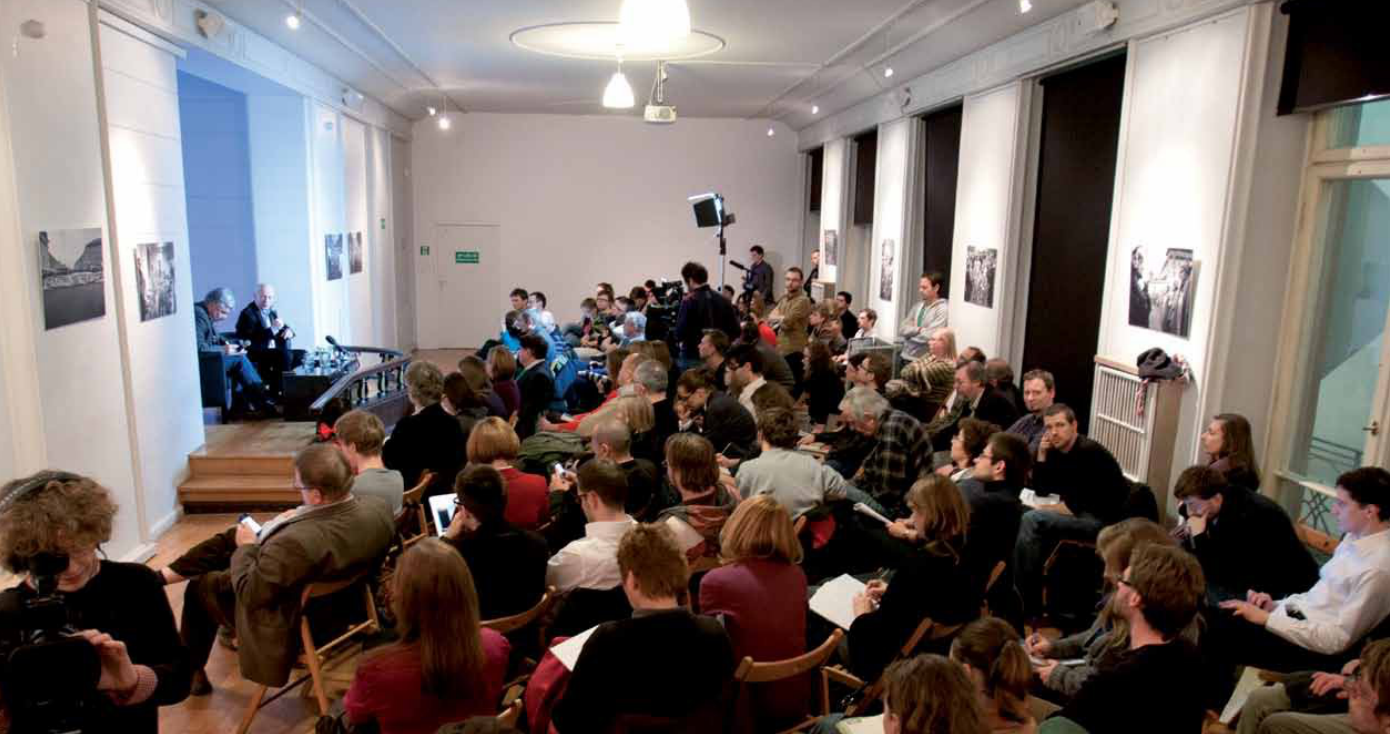
Can Poland’s resurgent activist-intellectuals steal the thunder from the right and appeal to millions of Europeans orphaned by the economic crisis?

The financial crisis that swept the world after 2007 should have been the final nail in the coffin for the neo-liberal. Yet, globally, neo-liberalism didn’t die.