Austere “shock therapy” after the Cold War only shocked the East into reaction. In the West, the corporate political center ultimately did the same.

Did the Fall of the Berlin Wall Produce the Trump Presidency?
read more

Austere “shock therapy” after the Cold War only shocked the East into reaction. In the West, the corporate political center ultimately did the same.

German-American artist Stefan Roloff explores the impacts of totalitarianism — from Nazism to communism and beyond — on the generations that come after it.

Few images from the last days of the Cold War are as enduring in the West as the fall of the Berlin Wall. But in Central and Eastern Europe, a more complex picture emerges.

Mass uprisings like the one that brought down the Soviet bloc are neither as rare — nor as spontaneous — as they first appear.

The countries of the former Warsaw Pact are not knuckling under to pressure from Russia. They’re trying to avoid a new cold war.

East and West Germany were like a couple that had rushed into marriage with very little understanding of what it would be like to live together.
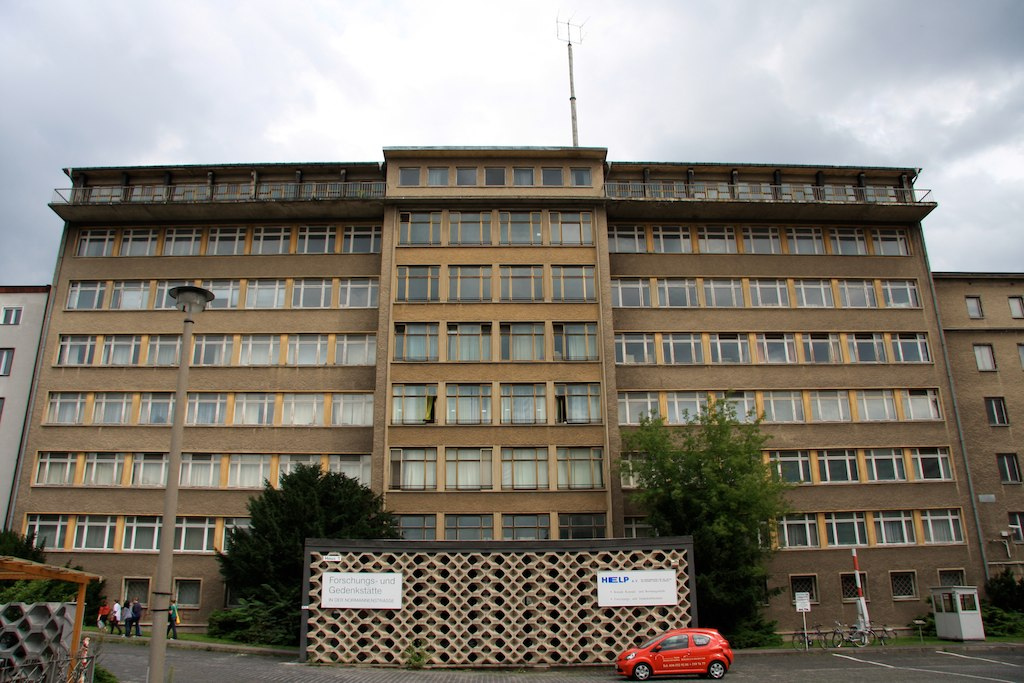
Reporter David Crawford exposed the Stasi’s real estate assets, pensions, and the names of its agents working undercover.

At times, transition seemed to mean simply the transfer of resources from one ruling elite to another.

Cross-posted from JohnFeffer.com. When the Berlin Wall fell, a tremendous number of people headed for the West, permanently. Between 1989 and 1990, nearly 4 percent of the population of East Germany moved to West Germany. The outmigration rate dropped considerably...

Cross-posted from JohnFeffer.com. John is currently traveling in Eastern Europe and observing its transformations since 1989. It’s already been nearly a quarter of a century since the two Germanies were reunified. An entire generation that never experienced life in a...