Three superpowers now face off along multiple fronts, even as they dismantle the tools that prevented escalation in the past.

The New Cold War Is a Lot More Dangerous Than the Old
read more

Three superpowers now face off along multiple fronts, even as they dismantle the tools that prevented escalation in the past.
They hack us. We hack them. It’s a recipe for catastrophe.
Former counter-terrorism official Richard Clarke, famous for criticizing the Bush administration’s lax stance toward terrorism before 9/11, and former Clinton administration National Security Council official Steve Andreasen addressed the wisdom of responding to a...
Retaliate against hackers with nukes!
Each year Conn Hallinan’s blog Dispatches From the Edge awards news stories and newsmakers that fall under the category of “Are you serious?” Here are 2012’s winners. Conn Hallinan at the Foreign Policy in Focus blog Focal Points.
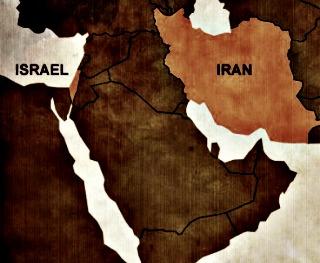
Israel and the United States have waged a campaign of cyberwarfare and covert operations against Iran for the past several years. If Iran had taken similar actions toward Israel or the United States, we would have considered it a declaration of open war.
As with nuclear weapons, cyber-defense lags behind cyberwarfare.

The Pentagon has traditionally presented cyber war as “their hackers” against “our defenders.” Out there, especially in China, a faceless horde of anonymous computer users are arrayed against the United States in an updated version of the “yellow peril.” In 2010, the Pentagon complained publicly for the first time about the Chinese government deploying civilian hackers to go after U.S. targets. These cyber attacks date back at least to 1999 when, after NATO bombed the Chinese embassy in Belgrade, Chinese hackers launched a slew of “denial of service” attacks that, among other results, shut down the White House website for three days.
Iran may or may not have the ability to mount cyberattacks of its own.

During his confirmation hearings this past June, U.S. Defense Secretary Leon Panetta warned the Senate, “The next Pearl Harbor we confront could very well be a cyber attack that cripples our grid, our security systems, our financial systems, our governmental systems.” The use of Pearl Harbor provided powerful imagery: a mighty fleet reduced to smoking ruin, an expansionist Asian power at the nation’s doorstep.