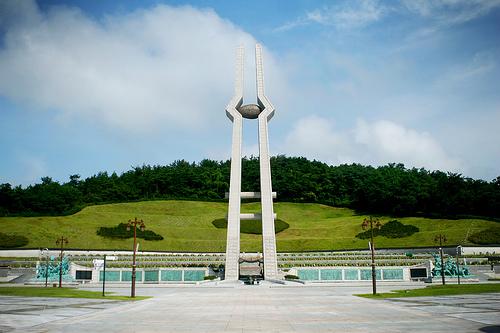
The 1980 citizens’ uprising in Kwangju marked not only the beginnings of a steady struggle towards democracy, but also the growth of anti-American sentiment in South Korea. Six weeks following the assassination of dictator Park Chung Hee on October 26, 1979, a group of army commanders led by Lt. General Chun Doo Hwan, the chief of military intelligence, took control of the military and were clearly intent on seizing total power. Peaceful anti-government protestors, mainly comprised of students and workers, openly opposed Chun through street demonstrations and direct appeals to the United States. Publically, the Carter administration criticized the authoritarian policies of the South Korean government and championed international human rights. In practice, the actual decisions made by Carter’s administration reveal a different story.
60-Second Expert: Kwangju Uprising
read more