Deterrence — or Mutual Assured Destruction — isn’t all that’s kept us from blowing each other up in a nuclear war.
Is the Nuclear Taboo More of a Deterrent Than Deterrence Itself?
read more

Deterrence — or Mutual Assured Destruction — isn’t all that’s kept us from blowing each other up in a nuclear war.

The Sixth Crisis by Dana Allin and Steven Simon successfully provides an historical understanding of how the tensions between Israel and the Arab world have shaped the geopolitical realities of the region and influenced a looming crisis over Iranian nuclearization that will have worldwide repercussions.
“Virtual deterrence” — demobilizing nuclear weapons but retaining production capacity — could backfire on the disarmament advocates who think it’s a step in the right direction and lead to nuclear war.
Imagine if a plant that produces a nuclear weapon’s pit, in which the chain reaction occurs, were rocked by an earthquake?
Skeptics about Global Zero fail to foresee the momentum it might generate.
Those who support keeping nuclear weapons as a deterrent forget that nuclear war means death by fire for millions of us.
There are other obstacles to nuclear disarmament than how anal states are about the number of nuclear weapons they have.
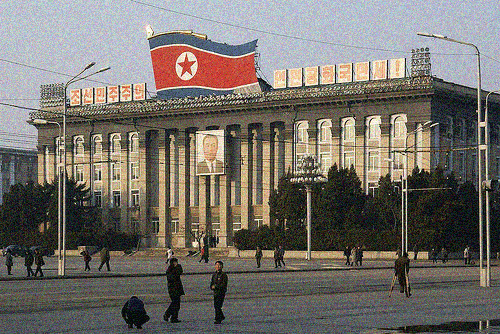
Intervention in Libya, which forfeited its nuclear weapons, has made North Korea more convinced than ever that it needs to hold on to its own nukes.
Severing the ties that bind disarmament and nonproliferation is not only bad policy, it’s an offense against common sense.
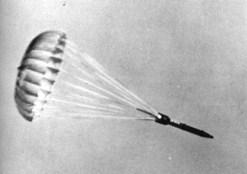
The last U.S. nuclear weapons deployed in Europe may be on their way home, ending more than 50 years of their deployment abroad. A new report on the future of these weapons shows that 24 NATO members seek to end deployment of U.S. nuclear weapons in Europe or will not block a NATO consensus decision to remove them. Only three countries are holding out, and only one is actively trying to break the emerging consensus. The coming months will be decisive for the future of the 200 or so U.S. nukes in Europe.