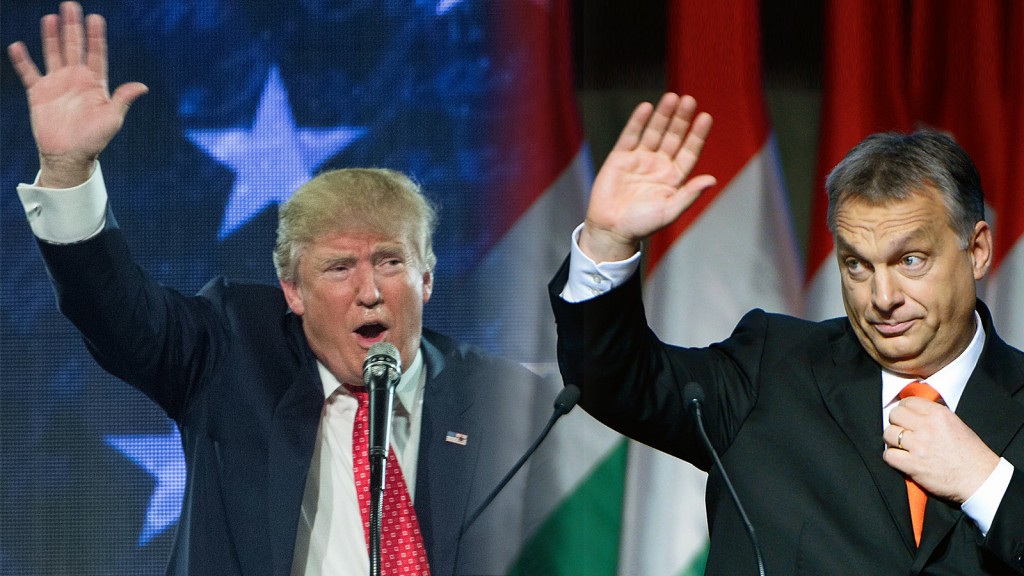
Prime Minister Robert Fico’s vow to return to office after surviving a violent assassination attempt raises critical questions about Slovakia’s political future and its role in global stability.
Eastern Europe led the way with the kind of right-wing “populism” that now occupies the White House.
As America braces itself for the landfall of Hurricane Trump, it’s instructive to look at Europe’s populist leaders for they hold clues to our future.
The countries of the former Warsaw Pact are not knuckling under to pressure from Russia. They’re trying to avoid a new cold war.
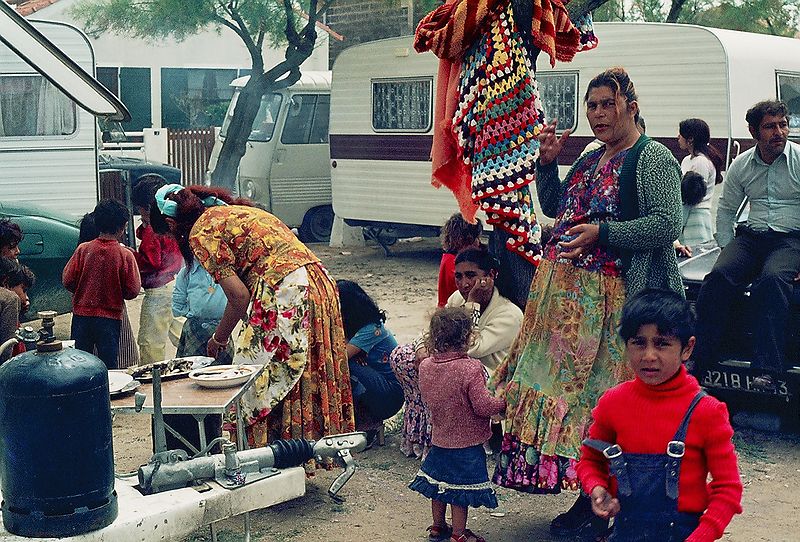
Though discrimination is decreasing, Slovakia is unlikely to elect a Roma president any time soon!
Europe will never fully democratize until the Roma enjoy the same rights, privileges, and opportunities as their European brethren.
The new NGOs are designed to both provide direct service and to put pressure on the increasingly authoritarian Slovakian government.
Czechs miss Slovaks, but not the other way around.
Kosice is not simply one city. Like any Central European metropolis worthy of the name, many urban incarnations coexist cheek and jowl in this charming capital of eastern Slovakia. Yet even as the architecture of Kosice’s many cities now forms one harmonious, unified whole, Kosice contains multiple cities in another, more ominous sense.
This velvet divorce might not have been the most democratically orchestrated event in history. The leaders who executed the decision have seen their political careers take a nosedive. And the two sides might well look at the results very differently. But Czechoslovakia, though it no longer exists, remains a symbol of courageous resistance and sensible conflict resolution. It’s a legacy of which the offspring of these hyphenated parents can be proud.