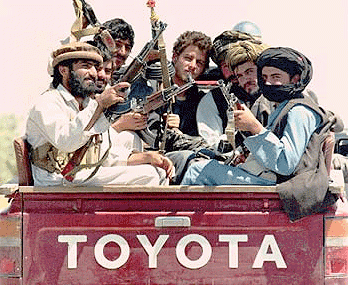
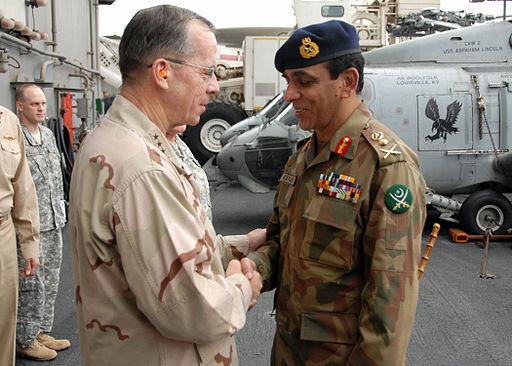
Such is the depth of Pakistan’s moral corruption, that Syed Saleem Shahzad’s death leaves al Qaeda and the Taliban on a higher moral ground than Pakistan’s infamous intelligence agency, the ISI.
The New York Times backs the administration and Gen. Petraeus’s policy of softening up the Taliban with a pounding before talking with its representatives.
WikiLeaks reveals that not only was the murderous Adil Bin Hamlili a double agent for the Taliban and the West, but he double-crossed them.
The U.S. army doesn’t put some of the dirtiest fighting ever past the Taliban.
In spite of a White House report that “progress” is being made in Afghanistan, by virtually any measure the war has significantly deteriorated since the Obama administration surged troops into Kandahar and Helmand provinces. This past year has been the deadliest on record for U.S. and coalition troops. According to the International Committee of the Red Cross, security has worsened throughout the country. Civilian casualties are on the rise. U.S. allies are falling away, and the central government in Kabul has never been so isolated. Polls in Afghanistan, the United States, and Europe reflect growing opposition to the nine-year conflict.
The individual or group, such as the Taliban, with more available options — harassing, pursuing or retreating — is most likely to prevail.
This past summer, WikiLeaks, an on-line source of anonymous whistle-blower revelations, unveiled damning information about the war in Afghanistan and its “official portrayal.” Sidebar revelations also cast doubt on Pakistan’s alliance with the United States, charging Pakistani intelligence agencies with “aiding insurgents.” Pakistan and the United States forcefully denied any chink in their “strategic partnership.”
Ambition on the part of Gen. Petraeus may have blinded him to truth that Taliban impostor was too good to be true.
Even at its most successful, a military-led counterinsurgency campaign remains inherently unsustainable.
Why is the U.S. launching an offensive in Kandahar just as the process of bringing the Taliban to the negotiating table is gaining momentum?