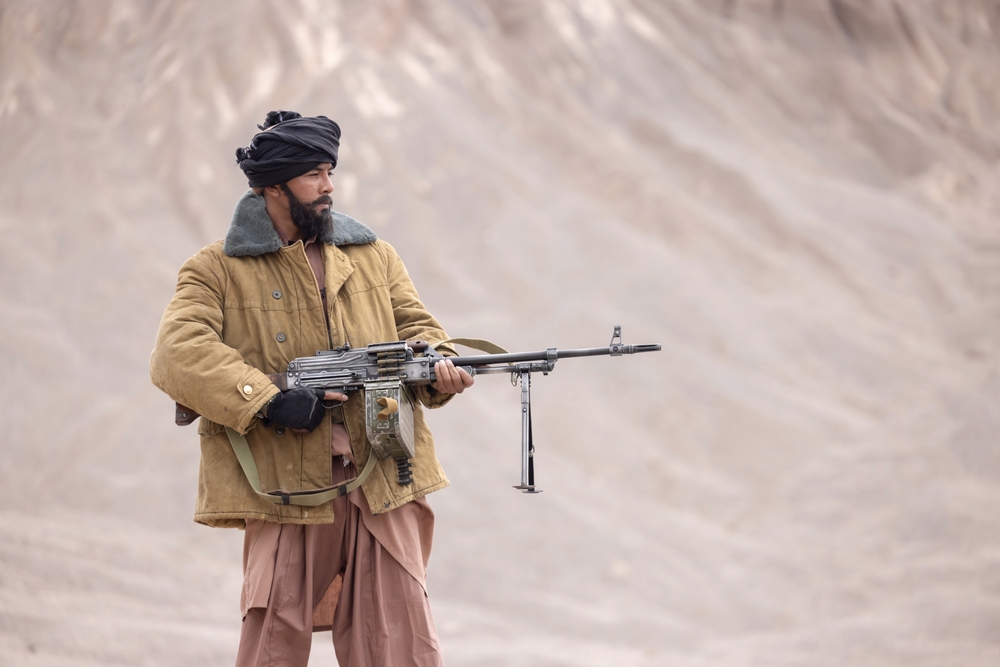
The Taliban’s authoritarian rule isn’t uniformly enforced. International accountability can exploit those divisions, preserving evidence for future justice while improving conditions for some Afghans today.
The attacks of 9/11 were designed to push the United States into overextending itself militarily and enter an imperial tailspin.
A U.S. report on the Afghan War is due soon, and a new international review is beginning. Both must confront war crimes and crimes against humanity by all sides.
The Taliban’s rule violates international norms, but that doesn’t give Pakistan the right to violate Afghanistan’s sovereignty.
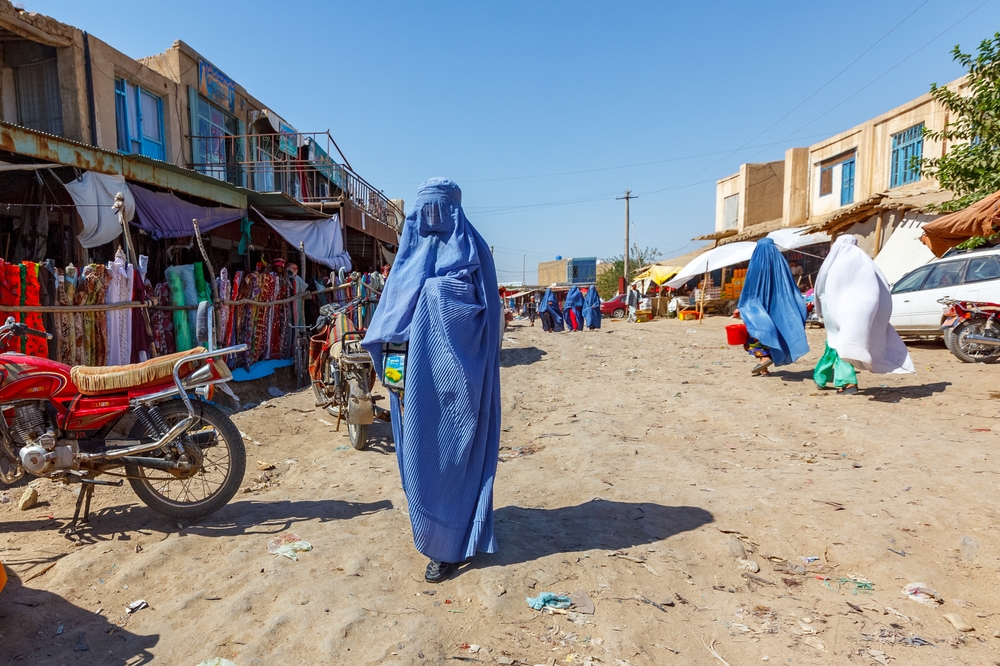
Children are denied education, women are barred from work, and minorities live under constant threat.
Like any totalitarian regime, the Taliban aims to moralize its ideology to such an extent that domestic opposition becomes highly improbable–but not impossible.
It’s all part of Putin’s strategy of courting Islamic powers, dissing the West, and sidelining human rights.
For all the triumph of this year’s team of refugee competitors, their presence spoke to the need to end global mass displacement.
The international community made a mistake in allowing the Taliban to exclude the voices of women and civil society in a recent meeting in Doha.
From Gaza to Ukraine to Afghanistan, militaries need to leave schools alone. A global agreement could make that a reality.