
All Commentaries
Bolivia After the Storm
At the end of December, the first popular uprising in the region against a government of the left took place in Bolivia. It was caused by an excessive increase in the price of fuels. The event demonstrates the difficulties of entering into a truly alternative mode of development, but it also reveals the limits of the Bolivian government’s stated effort to re-establish and decolonize the state.
Imagine Disarmament and Nonproliferation Talks That Reward the State With More Nukes
Severing the ties that bind disarmament and nonproliferation is not only bad policy, it’s an offense against common sense.
Will Italy Help Keep U.S. and NATO Airstrikes on Libya From Becoming Another Afghanistan?
Even if Gaddafi is provided exile, U.S. and NATO airstrikes on Libya could still lead to our extended presence there.
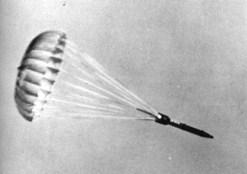
Nukes in Europe: Coming Home Soon
The last U.S. nuclear weapons deployed in Europe may be on their way home, ending more than 50 years of their deployment abroad. A new report on the future of these weapons shows that 24 NATO members seek to end deployment of U.S. nuclear weapons in Europe or will not block a NATO consensus decision to remove them. Only three countries are holding out, and only one is actively trying to break the emerging consensus. The coming months will be decisive for the future of the 200 or so U.S. nukes in Europe.

Regime Change in Libya Could Undermine U.S. Diplomatic Leverage
If attacking Libya’s forces leads to the deposal of Gaddafi, who has previously backed down to Western pressure, other states will question the point of cooperating with the West.
US Handing Off Libya From Ourselves to — Ourselves
The United States comprises the better part of NATO.
Juan Cole Challenges the Left “to Chew Gum and Walk at the Same Time”
Does U.S. intervention in Libya set a precedent for better or worse for a new breed of use of force?
Gambling in Japan
The great kabuki actor Mitsugoro Bando VIII was a fan of fugu, or blowfish. Fugu is a rather bland, unremarkable fish except for one thing: its internal organs, particularly the liver, are highly toxic. Japanese chefs have to acquire a special certificate to prove that they know how to remove all traces of toxin before preparing the dish. Nevertheless, a couple of people die every year from eating it, which gives the fish an exotic reputation. Diners enjoy the slight tingle that fugu sushi imparts to the tongue and lips. Bando, however, wasn’t satisfied with this slight tingle. A daredevil eater, he relished bowls of soup made from fugu liver and in this way built up a certain resistance to the toxin. But on January 16, 1975, Bando ate not only one bowl of this liver soup for dinner but also the three bowls that his friend wisely declined. That night he suffered respiratory failure and died.

Little Silver Riding Hoods
Following the terrible earthquakes and tsunami in northeastern Japan on March 11, schoolchildren as far away as Tokyo have been going to school wearing pointy silver hats to protect them from potential fires and debris during ensuing aftershocks. For some, too, the shiny hoods function as ineffectual radiation shields, a poignant sign of Japan’s deepening unease over the ongoing meltdown at the Fukushima nuclear power plant.
The Earthquake in Japanese Energy Policy
Japan is at present menaced by several concurrent, concatenating crises. But with smart and responsible energy policies and politics, it could pioneer approaches that help lead us all out of our increasing dire, energy-centred dilemmas.