
All Commentaries
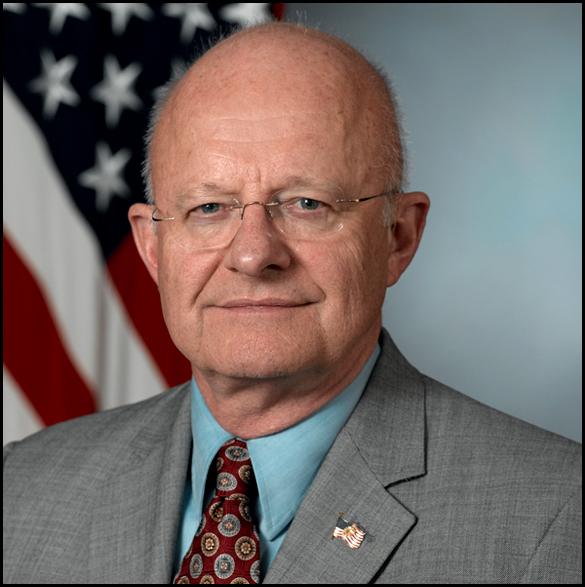
Clapper: Managing the Intelligence Enterprise
In the two weeks since President Obama appointed Retired Air Force Lt. General James R. Clapper, to be director of national intelligence (DNI), there’s been a slew of speculation about his long record in U.S. intelligence and how it might affect his chances for confirmation.

Protesters Speak Out Against U.S. Support for Ethiopian Government
Nearly 200 protesters gathered in front of the White House on the afternoon of June 14 to denounce continued U.S. support for Ethiopia’s incumbent regime. Chanting in native Amharic and rallying around the Ethiopian flag, the crowd members were predominantly from DC’s sizable Ethiopian diaspora.

Jeju and a Naval Arms Race in Asia
Maritime security has been a top issue in Northeast Asia recently. The sinking of the South Korean ship, the Cheonan, was a major agenda item at the annual summit that South Korean conducted with Japan and China on Jeju Island last month. Jeju Island is important for another reason. The South Korean government is planning to build a naval base there.

Poking a Stick Into the Honor Killing v. Domestic Violence Debate
Is it wise to sweep honor killings under the general heading of domestic violence? Does something get lost in translation?
What Does Gary Brooks Farber’s Quixotic Mission Say About the Rest of Us?
Bin Laden’s crime may have been a form of blowback. But why do Americans show little interest in bringing him, if still alive, to justice?

Lethal Force on the Border
Sergio Hernandez Guereca’s short life revolved around the U.S.-Mexico border that ultimately led to his death. On June 7, at approximately 6:30 p.m., a U.S. Border Patrol agent shot the 15-year-old Hernandez in the face in Mexican territory between Ciudad Juárez, Chihuahua, and El Paso, Texas.
Leave Afghanistan and Declare bin Laden Dead in One Fell Swoop
What if we not only left Afghanistan but declared bin Laden dead? (The burden would be on jihadis to prove he’s alive.)
Are Foreign Lives of Equal Worth to Ours?
The mechanization of war has resulted in treating other nations’ citizens as less than equal to citizens of the United States. U.S. military actions kill innocent civilians in a repeated and almost routine manner. However, modern communications are informing people around the world that U.S. policies value other citizens less than its own.
Reader Challenge: Do Burma’s Generals Just Need a Little Love and Understanding?
Sanctions can’t truly be targeted. If they’re directed at Burma’s generals, they just pass them along to the people. In fact, the most dire human rights violation in Burma is crushing poverty.
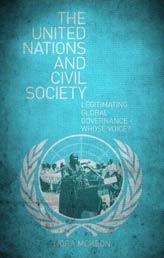
Review: ‘The United Nations and Civil Society’
Institutions of global governance such as the United Nations are often limited to inter-governmental dialogue with little input from the civil society actors they directly affect. However, in her book The United Nations and Civil Society: Legitimating Global Governance – Whose Voice?, Nora McKeon documents the interaction between civil society organizations (CSO) and the United Nations over the last two decades. Developments between the two actors, she argues, point to meaningful civil society inclusion within the global political system.