
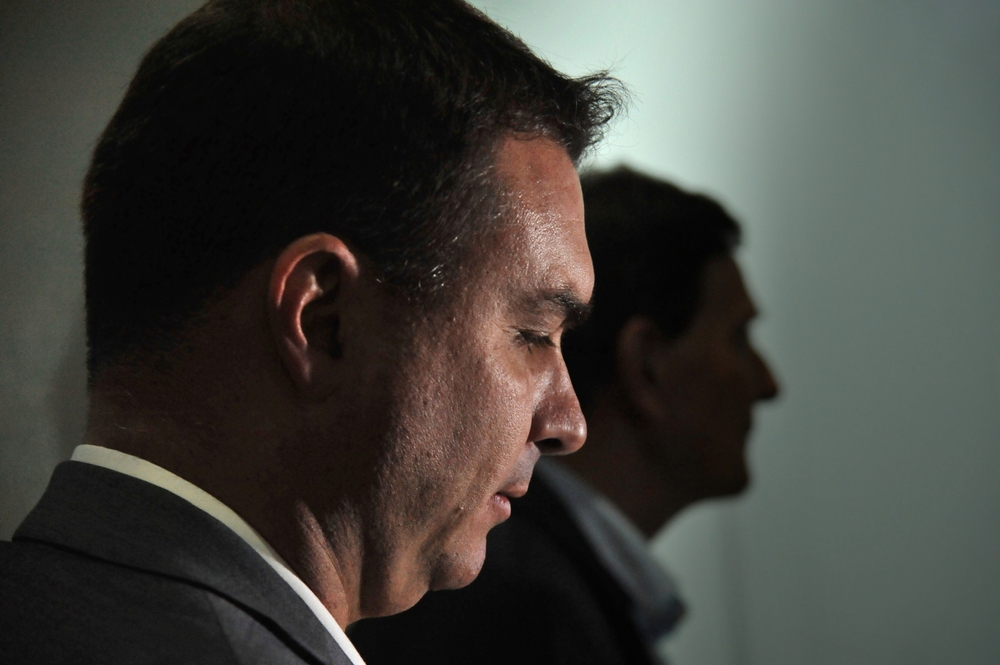
In Brazil, Luiz Inácio Lula da Silva’s electoral victory over Flávio Bolsonaro on October 25 is a monumental win for the left. It could also be the start of perhaps the weakest chapter of his political career after he starts his fourth term on January 5, 2027. After all, he faces a Federal Senate (Upper House) and Chamber of Deputies (Lower House) where the Liberal Party (LP) of Bolsonaro holds the most seats.
After coming in second to Bolsonaro during the general election on October 4, Lula promised that he would get the votes from potential voters who had abstained in the first round. The interim 20 days were filled with often over-the-top appeals by both sides to their constituents.
During the televised debates, Bolsonaro used insults and baiting in his attempts to galvanize voters, appealing to their frustrations regarding corruption, crime, and Lula’s third term. In contrast and enforced by a strong social media presence, Lula used the promise of monetary payments (Pé-de-Meia Universitário) to assist college students with tuition and other expenses. He also pledged to reduce work weeks. Both of his actions might actually hurt the country economically, and they give credence to those who believe that Lula buys his votes. Lula was also bolstered by an increased street team presence (Lula’s Army), a social media footprint that was earlier hampered by Meta, and persistent anti-Trump sentiment generated by U.S. interference in South American politics.
Political scientist Gabriel Elias commented on the increase in Lula’s presence after the first-round election: “I’m feeling more optimistic today, with the massive (Worker’s Party [PT]) demonstrations we’ve seen recently. They may not have the electoral impact many are hoping for, but they leave us much better prepared to face the challenges that will come with the awful makeup of the incoming Congress.”
Reaching the People
Lula is “politically unique,” according to Daniel De Mendonça, professor of political theory at the Federal University of Pelotas. In De Mendonça’s view, Bolsonaro lost because of three main factors. The first is that the initial election focused more on Supreme Federal Court Justice Alexandre de Moraes than on the candidates. The second is the long overdue political debates between Lula and Bolsonaro, which turned voters off because of Bolsonaro’s confrontational strategy and arrogant attitude. The third is, De Mendonça continued, Flávio ’s comments regarding the Ana Clara Soares de Oliveira case (2021) in which a military officer shot a five-year-old girl twice, killing her. Bolsonaro represented the officer in court, and this was used by Lula’s Army and spread on social media.
In the period between the two rounds, Bolsonaro had an opportunity to detail a plan for the country. Like his father, however, he offered nothing other than talk under the guise of change.
Cesar Barroso a resident of Rio de Janeiro, who voted for Bolsonaro, remarked after the election results were announced that “the lack of support from the ones [who voted] in the first round” is what lead to the upset loss. Barroso lamented that “it is very difficult to overcome a system that has been entrenched in all the country’s institutions for decades, especially in the judiciary.”
Paulo who resides in Macapá had a much more positive perspective. The election “has brought a sense of comfort to the hearts of Brazilians, who have been through so much. People from across the political spectrum—both left and right—have played a role in this journey.” He added that even members of the right support Lula in escaping from “the phenomenon of Bolsonarism.”
Steering the Ship Around?
Barring bad health, Lula will be 85 when he completes his final term. This leaves the PT with two main issues. They must find a successor and move that individual out of Lula’s shadow. Both issues may be difficult to resolve due to the corruption scandals that enveloped past candidates (e.g., Dilma Rousseff) and the sheer bombastic quality of Lula’s presence and ability to negotiate with all sides regardless of political leanings.
Political scientist Thomás Zicman de Barros described Lula as a “force of charisma,” a modern version of former President Getúlio Vargas (1930–1945, 1951–1954) who was dubbed the “Father of the Poor.” De Barros highlights that the people who truly run the country—and who refer to it as “the big center”—are all conservative local politicians and not open ideologically. This may be where Lula makes the majority of his efforts, which could lead to a lackluster fourth outing as president.
As for the Bolsonaro family, this could be the end of their political careers. The current election was always a make-or-break event for them. This latest loss might push them out of the limelight permanently.
“On Sunday night, I watched in horror as electoral fraud unfolded before my eyes,” Flávio Bolsonaro wrote after the election. “The illegitimate and illegal actions of Lula’s former lawyer allowed a mathematical impossibility to materialize, resulting in Lula gaining over 10 million votes from the first to second round.”
Instead of pushing this version of the election in the courts, Bolsonaro has fled Brazil to the relative safety of his brother Eduardo in South Florida—despite Justice Alexandre de Moraes request for his passport prior to his exodus. Bolsonaro complained that this action was part of making him “a hostage” and an “object of blackmail to protect the corrupt Supreme Court justices from impeachment.” Whether this will lead to a campaign to contest the election is currently unclear. There has been a large drop-off in content on Bolsonaro-related media.
One prominent Bolsonaro remains in the country. Michelle de Paula Bolsonaro, wife of Jair Bolsonaro, won her first Senate seat in Brasilia D.F. during the first round. She may be the one to watch out for, especially if she starts eyeing the presidential position.
Brazilians still deeply distrust the government. That and the greater precarity of the workforce are the two biggest challenges facing Brazil. As De Barros points out, the normal political climate is not just “about politicians getting rich. It’s also economic elites working with the state and with politicians to get rich.” An authoritarian leader could appeal to future voters on an anti-corruption platform.
The Future of Brazil
Shortly after the election results were released, Trump both stated that he “did not want to take sides” but felt that it looked like a “rigged” election. Bolsonaro thanked him and the American people, stating that “President Trump is a great defender of freedom and expression.”
Beyond insults, jabs regarding organized crime, and tariffs, Trump will largely back off. With most of South America already under his influence and no other opportunities being available during the remainder of his term, Brazil is relatively safe from foreign interference.
Brazilians are generally hostile to Trump’s efforts to intervene in Brazilian politics. But they also recognize the advantages of a good relationship with Washington. “We are living through a different kind of war—a war of agreements,” a person from Sáo Pablo told me. “Brazil is expanding through bilateral deals; we have agreements with a large part of the world. We’re the friend to everyone.”
Could he could see Brazil working with the United States under Lula? “Access to American infrastructure would certainly help with capital, but what about the social aspect?” he responded.