Let’s say the U.S. actually curbed its military adventurism, reeled in the Pentagon budget, and closed its global network of bases. Then what?

What Comes After Empire?
read more

Let’s say the U.S. actually curbed its military adventurism, reeled in the Pentagon budget, and closed its global network of bases. Then what?

Peace is for dreamers and supporting despotic regimes is SOP.

Where other climate change documentaries may counsel despair, Naomi Klein’s “This Changes Everything” offers hope.
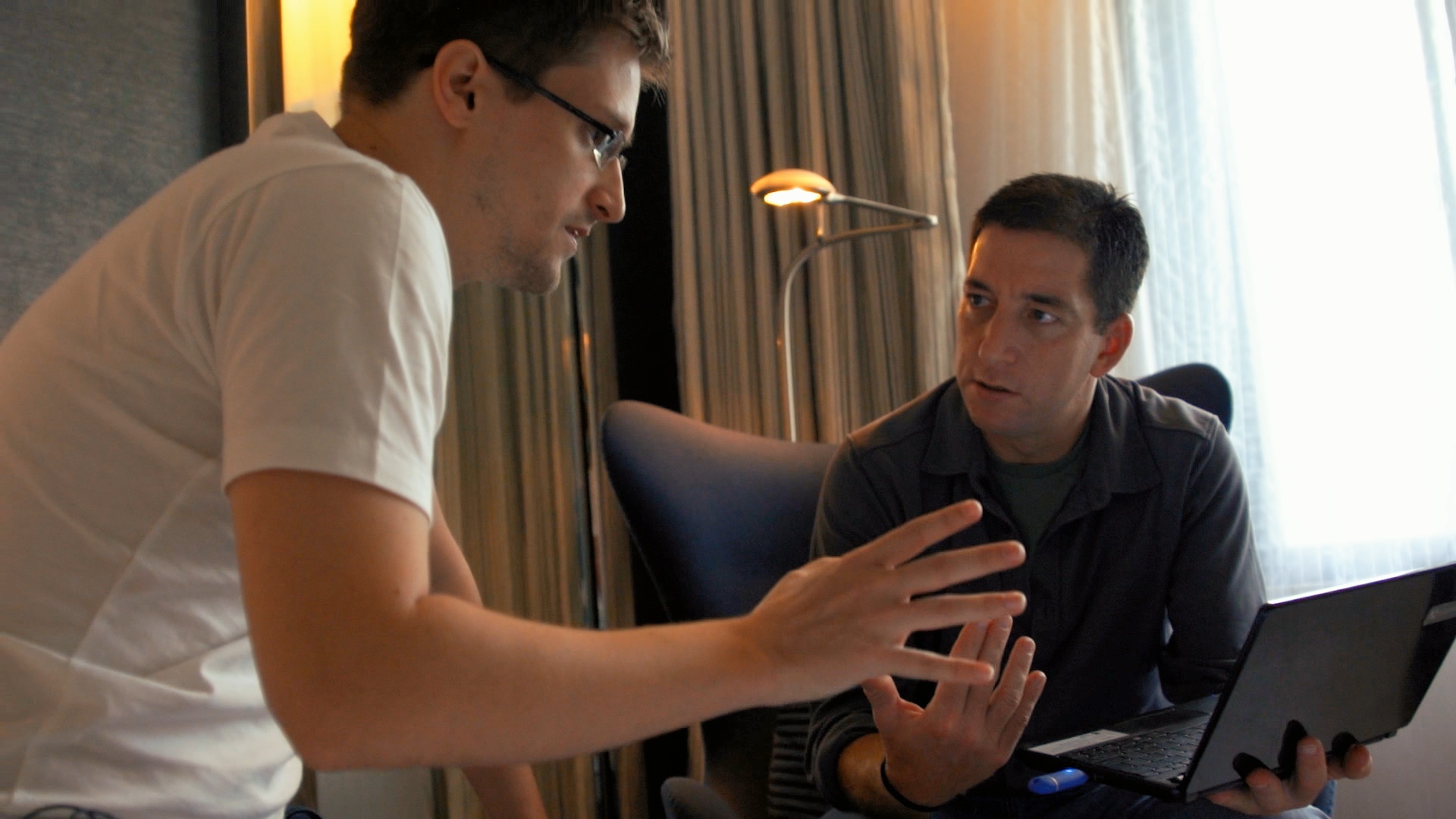
The former secretary of state attacked the NSA whistleblower without bothering to get her facts straight.

The victory of Canada’s Liberal Party was a mixed one for the country’s left. But from pulling out of Syria to (maybe) legalizing marijuana, they’re welcoming the change in governance.

Despite Washington’s move toward detente with Iran, other regional conflicts — especially in Israel-Palestine, where an “intifada of knives” is underway — are looking as volatile as ever.

The tide may be turning against the Obama administration’s enormous, corporate-friendly investment pact. Is it too politically toxic for an election year?

German-American artist Stefan Roloff explores the impacts of totalitarianism — from Nazism to communism and beyond — on the generations that come after it.

What if world leaders, starting with the U.S., took seriously Pope Francis’ call to treat global crises as moral issues?

Washington and Tokyo remain committed to growing the U.S. military footprint on the island of Okinawa — whether Okinawans like it or not.