Is a country ever mature enough to possess a nuclear-weapons program?
Emphasis Added: The Foreign Policy Week in Pieces (3/19)
read more

Is a country ever mature enough to possess a nuclear-weapons program?
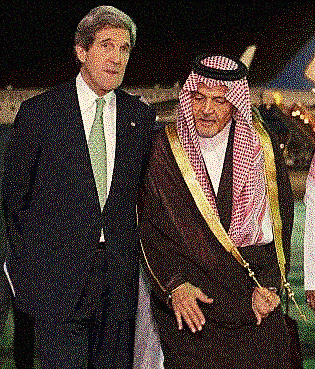
The international community largely supports the U.S. and Saudi Arabia on Syria: hope for peace, but failing that, throw more money at the conflict.
While U.S. politicians Friday debated whether Sulaiman Abu Ghaith, a son-in-law of Osama bin Laden and former Al-Qaeda spokesman, should be tried in New York City, foreign policy analysts were speculating about the circumstances under which he was apprehended by U.S. authorities.
Retaliate against hackers with nukes!

A major game changer is needed to break the silent stalemate between the United States and North Korea. And it’s going to take more than Dennis Rodman’s trip to North Korea. It will require the United States to take greater responsibility and leadership to end the Korean War, as well as a feminist, anti-militarist approach to achieve peace and justice on the Korean peninsula.

Nuclear deterrence’s inflated reputation is beginning to come back down to earth.

Jon Letman of Truthout interviews Dr. Vandana Shiva—a globally respected Indian physicist, philosopher, and activist—on Hawaii’s role as a testing site for both GMO crops and the military, Hawaii’s relationship with Asia, and on the largely unspoken connection between GE crops, climate change, militarism, and what Shiva calls “a war against the earth.”
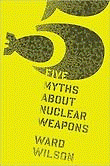
Are the beliefs that nuclear weapons forced the Japanese to surrender and that deterrence keeps the peace little more than received wisdom?
Senators Lindsey Graham and Robert Menendez introduced a joint resolution declaring U.S. support for Israel in the event of an Israeli military strike on Iran’s nuclear programme. “If the Senate moves forward with this [non-binding resolution,] they risk sending the signal to the Iranians that, no matter what was said at Almaty, the U.S. does not have its own house in order to make a deal and is not serious about resolving the nuclear dispute peacefully,” says Jamal Abdi, policy director of the National Iranian American Council.
As always, emphasis added.