A new facility under construction in Los Alamos that’s pivotal to the manufacture of “nuclear pits” is emblematic of Americans’ ambivalence about nuclear weapons.

Nuclear Pits: Death in Its Most Concentrated Form
read more

A new facility under construction in Los Alamos that’s pivotal to the manufacture of “nuclear pits” is emblematic of Americans’ ambivalence about nuclear weapons.

The excessive violence with which Ugandan security forces have over the last month cracked down on initially peaceful opposition protests at soaring food and fuel prices, and which last weekovershadowed the inauguration of re-elected President Yoweri Museveni, is almost as puzzling as it is disturbing.
The United States can’t have it both ways: ratifying disarmament treaties while building facilities to arm nuclear warheads.
This week, the words will take center stage. On Thursday, according to administration officials, President Obama will “reset” American policy in the Middle East with a major address offering a comprehensive look at the Arab Spring, “a unified theory about the popular uprisings from Tunisia to Bahrain,” and possibly a new administration approach to the region.
The war against drugs is a manifestation of policies and international agreements that cast Mexico as the battlefield and where the poor of this country and Central America pay the staggering price of their lives so that drugs arrive at their destination and business empires thrive.
Many of the same people who led the push for regime-change in Baghdad now have their sights set on Tehran.
After reluctantly passing New START, Republicans now seek to cripple it before it gets off the ground.
For some people, there’s nothing President Obama can do to prove his love for Israel. He could pull a Sammy Davis, Jr. and convert to Judaism. He could give Israeli Prime Minister Benjamin Netanyahu a big kiss on the lips. He could personally expel Palestinians from East Jerusalem. And still Washington Post columnist Jennifer Rubin would kvetch. “Yes, but what have you done for us today?” the ultra-Zionist would say. “Did you call this morning? Where are the fresh flowers? What, you don’t love Israel anymore?”

Hardliners, whether Israeli or Palestinian, do not desire a settlement to the Israeli-Palestinian conflict that ends in a negotiated peace, but an all-or-nothing end that justifies their ideological certainties.
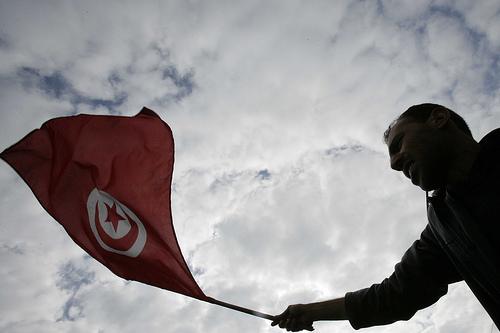
The Middle East faces a moment of truth as country after country rises up against its authoritarian leaders. No government is secure against the people-powered protest movements sweeping the region. These dramatic events will likely be the greatest U.S. foreign policy challenge over the next decade. The regional security framework — with new roles for Egypt, Saudi Arabia, Turkey, Iran, Syria, Israel, and the likely Palestinian state (or states) — is evolving, and Washington must reexamine how it defends its regional interests in a new way.