The United States has little to gain and everything to lose by maintaining a belligerent posture toward China.

Fear of Wounded Pride Drives Our China Policy
read more

The United States has little to gain and everything to lose by maintaining a belligerent posture toward China.
The steady track towards stability and prosperity that China and most developing countries seem to be on is driven by a new form of self-reliance.

Washington is effectively subsidizing Pakistan’s nuclear arsenal — the fastest-growing in the world — even as the country drifts closer to China and Russia.

Without concrete, enforceable emissions targets and transition financing, the Paris climate talks will only deepen our climate crisis.
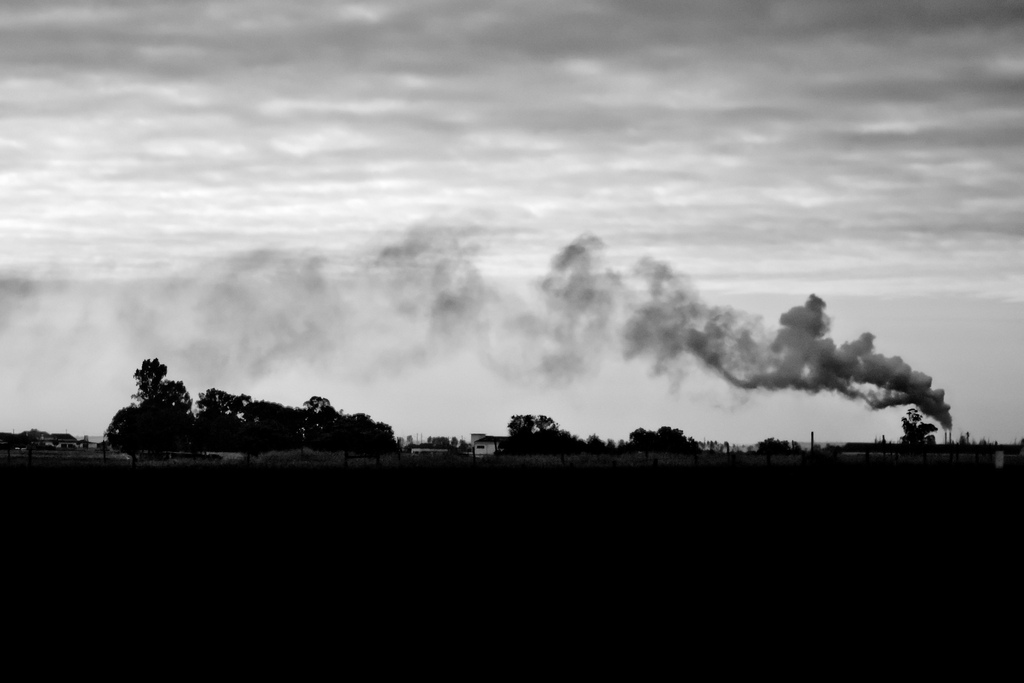
“Back in my youth, we imagined that lumbering dinosaurs like Russia and China and the European Union would endure regardless of the global convulsions taking place around them.”

Let’s say the U.S. actually curbed its military adventurism, reeled in the Pentagon budget, and closed its global network of bases. Then what?

What if world leaders, starting with the U.S., took seriously Pope Francis’ call to treat global crises as moral issues?

Alongside rising protests from farmers and workers, China now confronts a middle class anxious about a slowdown in growth and burned by the stock market bust. It’s a volatile brew.
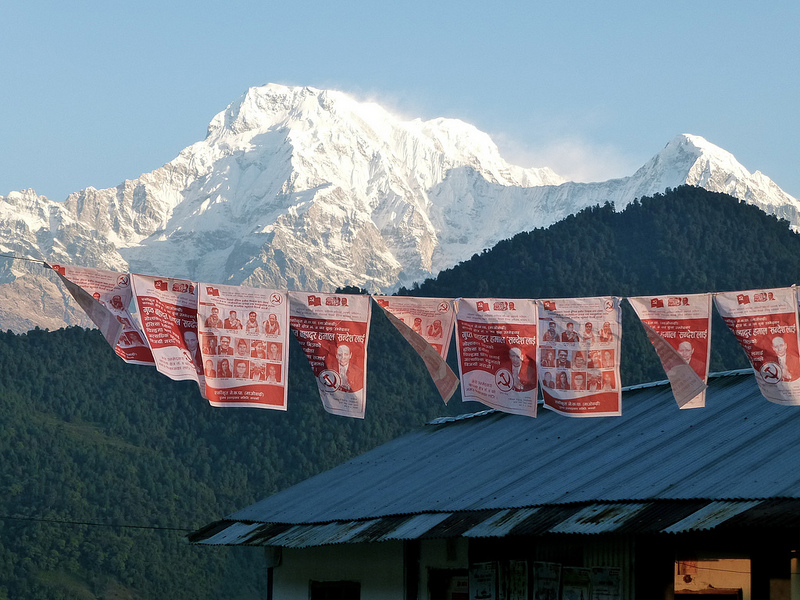
First promised over a half a century ago, Nepal’s new constitution is surprisingly progressive. But it’s led to tensions with neighboring India and with underrepresented ethnic groups.

Despite risks to domestic politics and local administration, Germany is opening its gates to vast numbers of refugees.