Europe & Central Asia
Karachi’s Long Summer of Violence

Karachi’s Long Summer of Violence

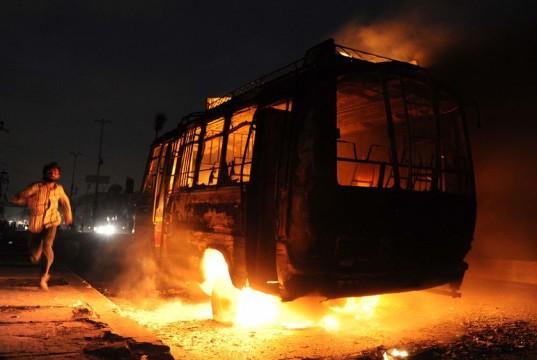
Karachi is the biggest city in Pakistan. It is the country’s commercial hub, financial capital, naval base, and only operational seaport. For the past several months, this city has once again been in the grip of violence. Gunshots ringing out in poor neighborhoods claimed the lives of more than 400 individuals in the months of July and August. 
read more

Graphic Foreign Policy

Living in Japan in the late 1990s, I was struck by the sheer number and variety of manga or comic books. You could go to a manga store and find an entire aisle devoted to your particular genre: golfmanga, comics about the Japanese yakuza (mafia), mecha that focus exclusively on giant robots. Name your interest – or your fetish – and there was a manga series for you. Unlike the United States, where young people were the primary audience for comic books, a huge number of Japanese manga appealed to adults, who read the thick books on the subway or in coffee shops. During the prolonged economic crisis in Japan, it was not uncommon for downsized salarymen to pretend to their families to go to work and instead spend the entire day at the manga cafes,mangakissa, reading comics about, among other things, salarymen.

read more
The War against Witness

The War against Witness

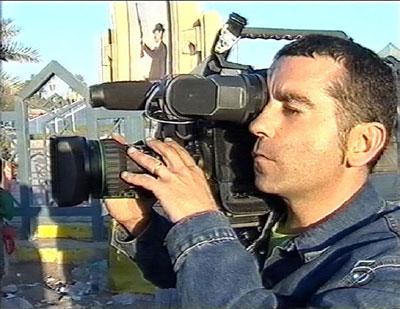
Former Army Intelligence officer Adrienne Kinne has a very valuable open secret which, if told under oath, could lead to the first ever conviction of U.S. soldiers on war crimes charges. But since she told her story publicly in an interview with journalist Amy Goodman on DemocracyNow! over three years ago, she has been reluctant to put it to use in the ongoing prosecution in the Spanish High Court of three U.S. soldiers for the murder of Spanish cameraman José Couso.

read more
Review: Soviet Fates and Lost Alternatives

Review: Soviet Fates and Lost Alternatives

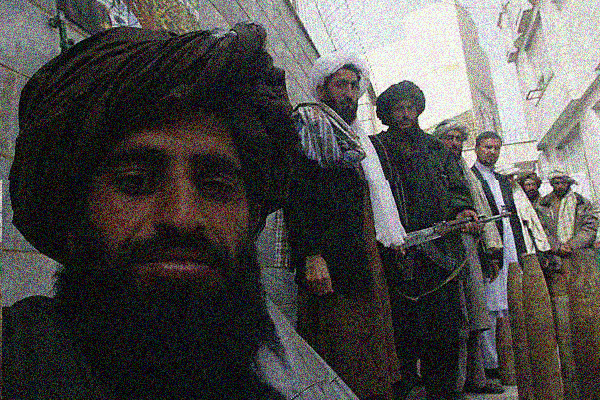
Why did the Soviet Union come to an end? Was the Soviet system reformable? Were there historical alternatives to Stalinism? These are the questions that Stephen F. Cohen raises in Soviet Fates and Lost Alternatives: From Stalinism to the New Cold War. In a series of seven essays, Cohen challenges conventional assumptions on the course of Soviet and post-Soviet history, examining the fates and lost opportunities of Stalin’s preeminent opponents.

read more

Time to Disband NATO: A Rogue Alliance

When the Cold War ended, many believed there would be a peace dividend, nuclear disarmament, and dismantling of the war machine with industrial conversion to peaceful technology. Instead, we’ve witnessed the aggressive expansion of NATO, to include the former Soviet Republics, right up to the Russian border, which should be a wake-up call to many living in the American Empire. Many people still labor under the apparently false impression that the US is exemplary in holding up the rule of law, the sanctity of the United Nations, and human rights. After all, Americans were the good guys who defeated Hitler and made the world safe for democracy. The NATO expansion took place despite promises made to Gorbachev after the peaceful dissolution of the Soviet Union with the fall of the Berlin Wall that if he dropped his objections to the admission of a unified Germany as a full-fledged, fully armed member of NATO, the western states would freeze NATO membership and not expand any further east. Russia lost 20 million people in World War II to the Nazi onslaught, and Russian wariness of a strengthened reunited Germany participating with their former NATO foe was certainly understandable.

read more