The Iran nuclear deal has generated an abundance of extraordinary insights. Here’s a sampling.

The 7 Most Incisive Comments About the Iran Nuclear Deal
read more

The Iran nuclear deal has generated an abundance of extraordinary insights. Here’s a sampling.

The nuclear deal with Iran, like Nixon’s opening to China in 1972, has the potential to be a geopolitical game changer — if it can get through Congress first.

Though this nuclear deal is a victory for international diplomacy, the United States still has a ways to go before their relations with Iran are truly normalized.
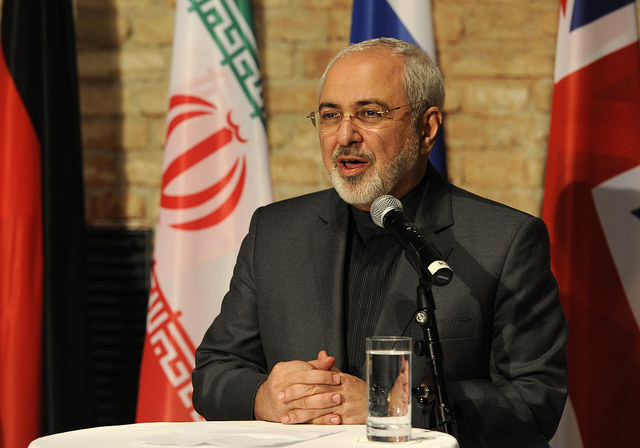
President Obama pledges to use his power of veto should Congress reject the freshly minted Iran nuclear deal.

Supporting Saudi attacks on Yemen is a way for the U.S. to show the Saudis that Iran is still a mutual adversary.

If we continue to think about the Islamic State as a force to be fought on the battlefield, its second year will be worse than its first.

Not only is bombing Iran’s nuclear facilities fruitless, but invading and occupying it are completely out of the question.

Hardliners in the Iran parliament have pushed through a bill reminiscent of Republicans’ reflexive opposition to President Obama.
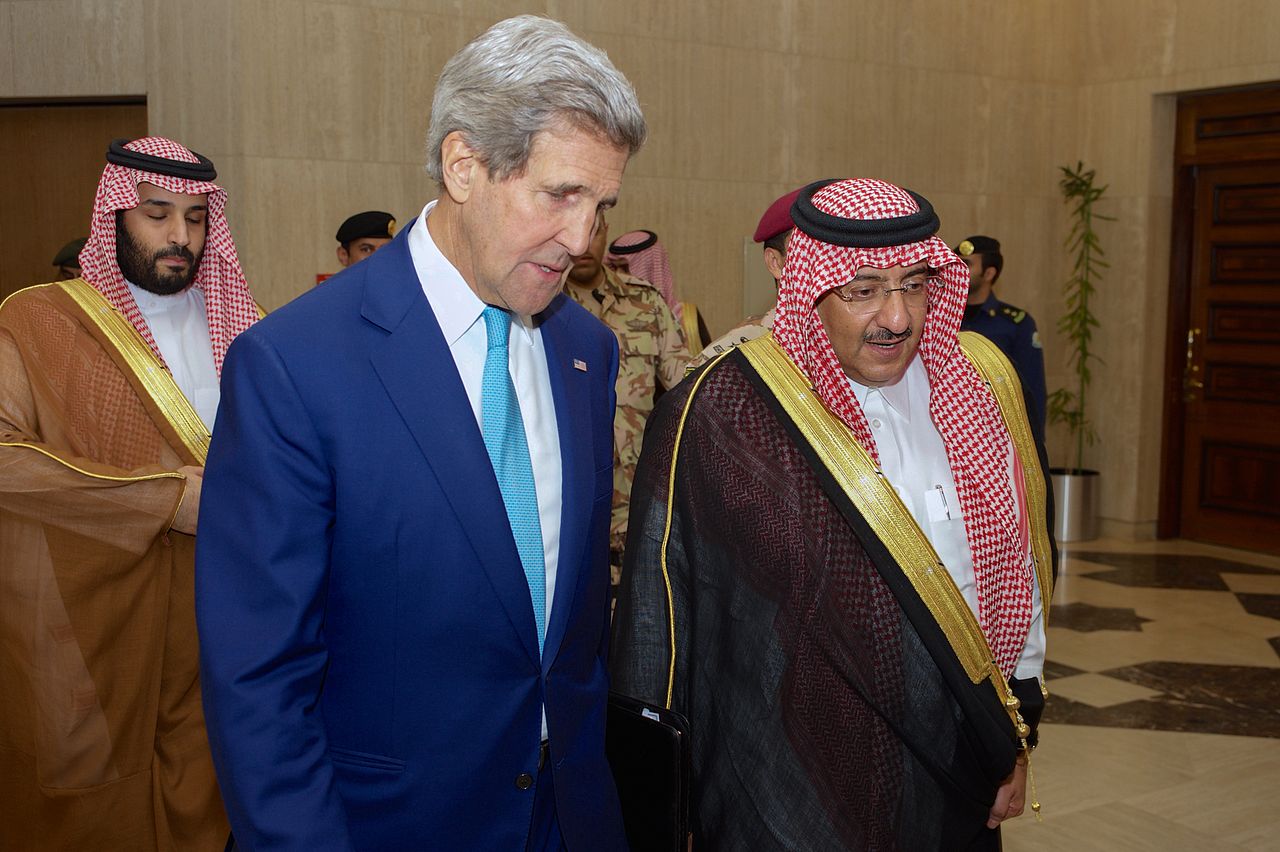
Saudi Arabia’s perceived need to keep Iran at bay is distracting it from the danger that the Islamic State poses to its regime.
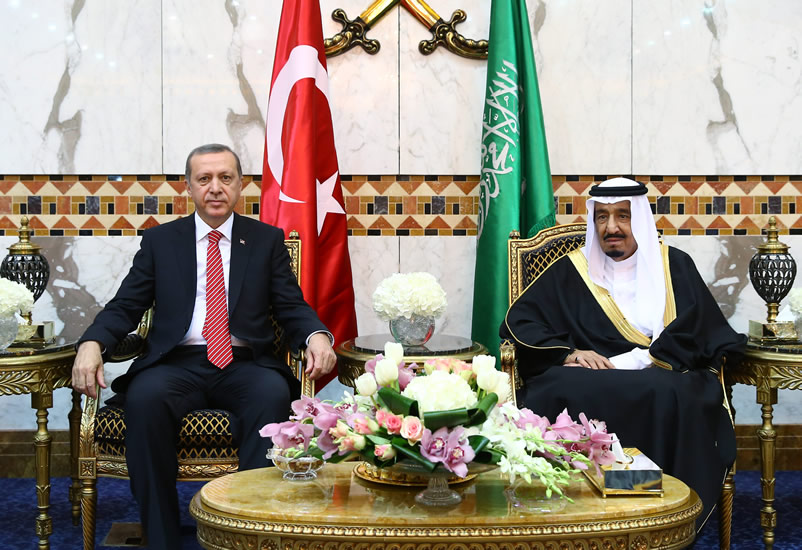
The Saudis and the Turks are scaling up their support for Syrian jihadists while the Israelis contemplate a new war with Hezbollah.