The Syrian uprising is being abandoned by — and abandoning – those who most believe in it.

Syrian Rebels Doing Best They Can to Alienate Supporters
read more

The Syrian uprising is being abandoned by — and abandoning – those who most believe in it.

Holding aid hostage.
Emphasis, as always, added.

Syria’s civil war has inspired some in Congress and in the media. Stupidity or insanity? Some people don’t learn from past mistakes. Why start another body count in a Middle East conflict with no direct relationship to U.S. security?
Why did 89 members of Parliament decide to create a false perception of solidarity with the Palestinians?
Emphasis, as always, added.

More than two years after peaceful demonstrators took to the streets to demand reforms, Bahrain’s uprising has not abated. Activists and opposition groups continue to demand the basic human rights and political reforms promised to them by their government. Rather than meet the opposition’s calls for reform, the government of Bahrain has responded by subjecting citizens to arbitrary arrest and imprisonment, interrogation, torture, and abuse.
Emphasis, as always, added.
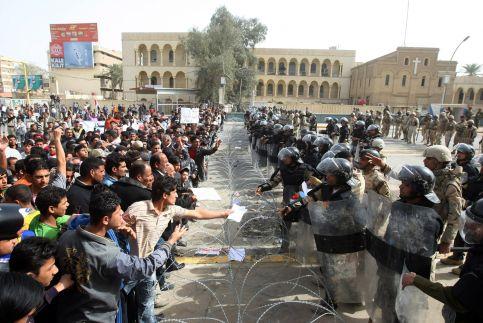
Spurred on by the deaths of hundreds of Iraqi civilians each month this year, and by persistent complains about the government’s poor performance and rising authoritarianism, Iraqi demonstrators are now taking matters into their own hands. With ever louder chants of effective governance from certain sectors of the country, what Iraq may be going through is its own version of the Arab Spring movement—smaller and less universal, but equally empowering to those who are in the middle of it.

The question on the mind of almost everyone who has followed the horror in Syria as it has unfolded over the past two years is, “What we can do?” The short answer, unfortunately, is not much.