U.S. support for an authoritarian regime is by no means a new phenomenon nor is it peculiar to the Middle East.

As Egypt Protesters Look to U.S. in Vain, Remembering Another Lost Opportunity
read more

U.S. support for an authoritarian regime is by no means a new phenomenon nor is it peculiar to the Middle East.
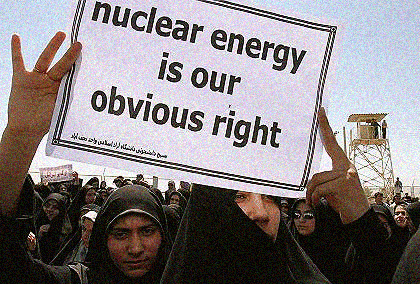
The Times seems intent on making the case that Iran is on the verge of developing a nuclear weapon, when it’s not.
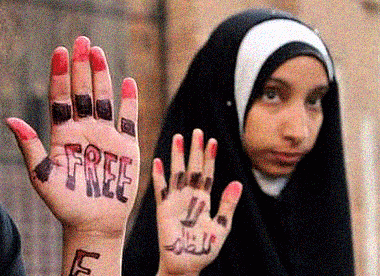
Even though it is notoriously undemocratic, the Mubarak regime has for decades received a massive amount of U.S. aid, both military and non-military.

In many ways, Lebanon resembled Ireland, where religion was used to drive a wedge between landless Catholics and privileged Protestants.

In a new special focus on Islamophobia, Foreign Policy In Focus interviews prolific author and professor John Esposito about prevailing political and media myths about Muslims and the Muslim world.

A computer virus might seem like the perfect way to stop Iran’s nuclear program. But it’s as liable to side effects as any weapon.

“He is finished,” was the regrettably premature pronouncement of a relative of bin Laden in the nineties.

Despite concessions made by interim government in Tunisia, a crisis of trust continues to reign over the people. The government’s fate remains uncertain as hundreds of people arrived in Tunis from rural areas on January 24, calling for the removal of all former government officials. This sea change in power raises several questions about the root causes of this extraordinary protest, the impact it will have on the region as a whole, and whether the theory that Arab civil societies are too inept to generate real change within their own governments has been finally disproved.
The exposure by Al Jazeera and London’s Guardian newspaper of a huge cache of documents detailing Palestinian accounts of a decade of peace negotiations with Israel could deal a lethal blow to U.S. efforts to get a credible process back on track, according to experts here.
Aside from those who attempt to illegally emigrate, Algeria’s youth is paralyzed.