Lebanon’s unraveling and the undiminished influence of the Syrian state clearly demonstrate that U.S. attempts to isolate Damascus have failed.

The Case for Syria
read more

Lebanon’s unraveling and the undiminished influence of the Syrian state clearly demonstrate that U.S. attempts to isolate Damascus have failed.

January 21 marked the 20th anniversary of the start of the Gulf War.

Ben Ali’s exile in Saudi Arabia, with whom Tunisia has an extradition treaty, is an uneasy one.

The unarmed insurrection that overthrew the Ben Ali regime in Tunisia has opened up debate regarding prospects for democratization in Arab and other predominately Muslim countries. Many in the West are familiar with the way unarmed pro-democracy insurrections have helped bring democracy to Eastern Europe, Latin America, and parts of Asia and Africa. But they discount the chances of such movements in Islamic countries, despite Tunisia being far from the first. Meanwhile, the United States — despite giving lip service in support for democracy – continues to actively support authoritarian governments in Islamic countries.
The campaign against dictatorship in the Arab world has brought together some strange bedfellows. The Bush administration’s neoconservatives darkly dreamed of democracy promotion in the Middle East before the Iraq and Afghanistan quagmires became the stuff of nightmares. Sharing the same bed, but dreaming different dreams, have been the Muslim Brotherhood and its fellow Islamists who have long railed against the injustices of authoritarian regimes in locales such as Egypt, Syria, and the Gulf States. And now, of course, the predominantly young protestors of Tunisia have turned dream into reality by ousting their dictator Zine el-Abidine Ben Ali after 23 years at the helm.
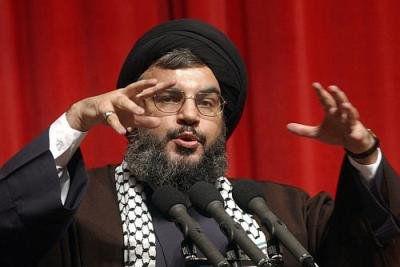
When western governments focus on political Islam, the debate gravitates toward the national security domain. Western governments and policy analysts routinely portray the role of Islam within Arab political life as a danger to western interests. In reality, Islam is an integral component of contemporary Muslim politics. With some innovative thinking, the United States and its western allies can use the power of Islam to their advantage as well as the advantage of people in the region.

The U.S. State Department needs to know whether a post-Ben Ali government would maintain Tunisia’s commitments to AFRICOM and support for extraordinary rendition.

Return to Haifa, an Israeli’s adaptation of a Palestinian’s novella, is playing in Washington.
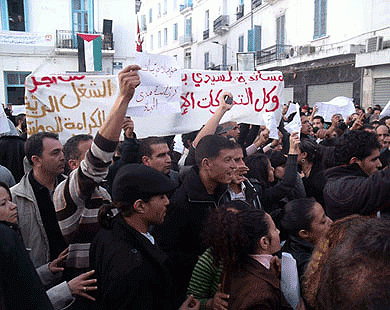
When the uprisings began, the U.S. Congress saw fit to pass a budget resolution that included $12 million in security assistance to Tunisia’s regime.

Foreign occupation is the common thread tying suicide terrorism together the world over. In Dying to Win and again in Cutting the Fuse, Robert Pape argues that the United States must endeavor to draw down its occupation of Middle Eastern countries and return to a policy of offshore balancing to maintain its regional interests.