Ever wonder why WikiLeaks has been the beneficiary of high-profile document dumps? Perhaps its leaker feared that the mainstream media would have left them to die on the vine.
The current right-wing government of Israel wants to negotiate with the Palestinians for their independent state as much as China wants to negotiate with Taiwan for its independent state. I have very little faith that this Israeli government will negotiate in earnest with the Palestinians. Netanyahu wants to negotiate for the sake of negotiation.
To the Bush administration, torture was only a concern if perpetrated by an unfriendly government.
What good was deposing Saddam Hussein if his tyrannical ways were left intact?
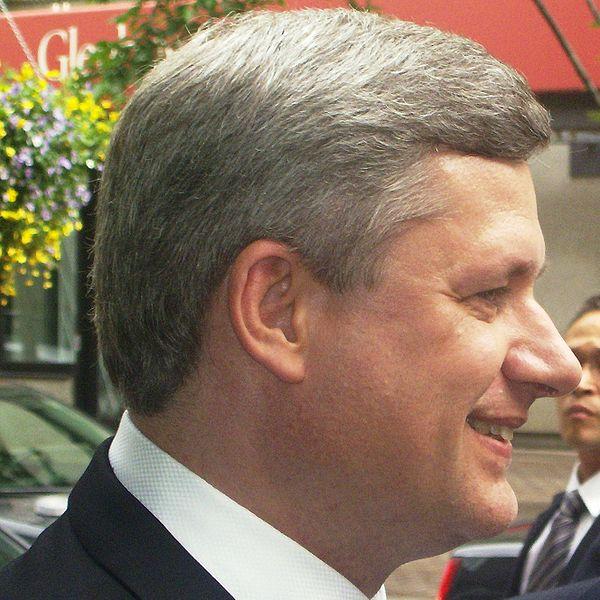
Canada’s defeat in elections for a temporary seat in the UN Security Council has implications that reach beyond being an upset for Stephen Harper’s conservative government in Ottawa. It reinforces how far most UN members are from supporting other nations that unconditionally accept Israeli behavior in the Middle East. It also, ironically, lends some support to Ottawa’s longstanding opposition to increasing the number of permanent Security Council members.
If the WikiLeaks documents are any indication, U.S. soldiers suffer the additional burden of a rewritten moral code that demeans the values they thought they were protecting.
The same helicopter unit that killed two Reuters employees and was outed by WikiLeaks has been implicated in another such crime.
According to the New York Times, Julian Assange is a bully and he’s picking on the United States.
The WikiLeaks documents seem to confirm our worst fears about Iran’s involvement with the Iraqi insurgency.
For years, the United States and Israel have engaged in a covert effort to destabilize Iran’s government and sabotage its nuclear program. But these operations frequently escape mention in public discussions. By ignoring the covert effort, the current debate about the relative wisdom of diplomacy, sanctions, and preventive military action addresses an incomplete picture. To understand the challenges and potential of U.S.-Iranian relations, the covert program must be factored into the equation.