The Iran nuclear deal has generated an abundance of extraordinary insights. Here’s a sampling.

The 7 Most Incisive Comments About the Iran Nuclear Deal
read more

The Iran nuclear deal has generated an abundance of extraordinary insights. Here’s a sampling.

The nuclear deal with Iran, like Nixon’s opening to China in 1972, has the potential to be a geopolitical game changer — if it can get through Congress first.

A poll indicates that Saudi citizens seem to find the Islamic State’s repressiveness and barbarism less objectionable than the House of Saud’s corruption.

Though this nuclear deal is a victory for international diplomacy, the United States still has a ways to go before their relations with Iran are truly normalized.
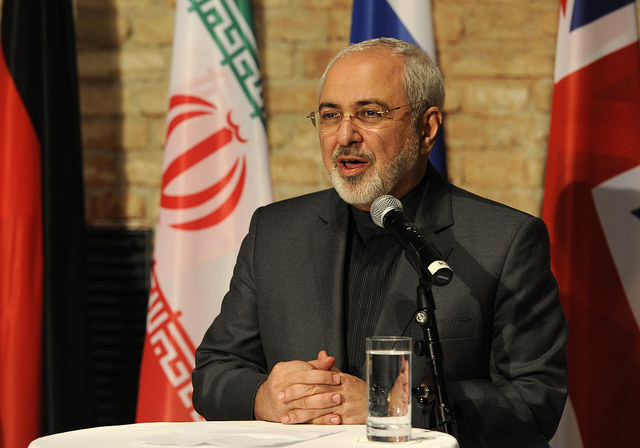
President Obama pledges to use his power of veto should Congress reject the freshly minted Iran nuclear deal.

Israel insists that Gaza isn’t under blockade. So why are humanitarian aid vessels still turned away?

Supporting Saudi attacks on Yemen is a way for the U.S. to show the Saudis that Iran is still a mutual adversary.
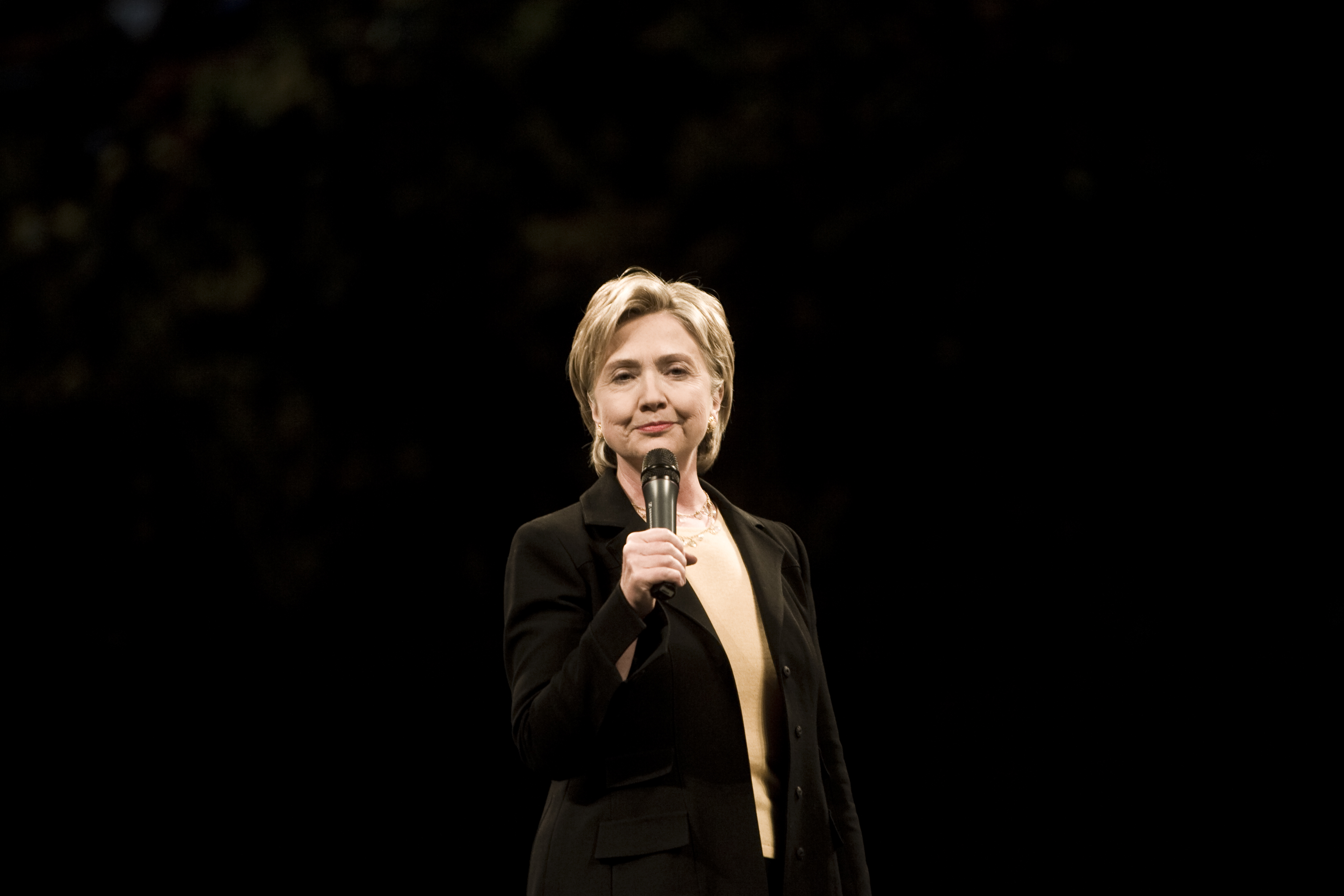
Presidential hopeful Hillary Clinton’s position on the Israeli occupation of the West Bank does not bode well for her future foreign policy.

French intelligence plotted to overthrow Muammar Gaddafi to horn in on Libya’s oil and to provide access for French businesses.

How a semantic argument over passports prompted a debate over who gets to shape U.S. foreign policy toward Israel-Palestine.