Nuclear deterrence’s inflated reputation is beginning to come back down to earth.

Ability of Nuclear Deterrence to Defuse Crises Exaggerated
read more

Nuclear deterrence’s inflated reputation is beginning to come back down to earth.
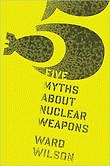
Are the beliefs that nuclear weapons forced the Japanese to surrender and that deterrence keeps the peace little more than received wisdom?
As it stands now, a toxic byproduct of our obsession with Iran’s nuclear program is the increased chance of nuclear war with Russia and China.
If it weren’t for punitive acts by the United States, Russia wouldn’t have banned adoptions by Americans.
The Magnitsky Act imposes asset freezes and visa bans on Russian officials suspected to be responsible for the death of Sergei Magnitsky, who accused the Russian IRS of tax fraud and later died in jail.
Russia throws good money after bad at the regime of Syrian President Bashar al-Assad.
It’s sometimes lost on the arms control community that halting the spread of nuclear weapons begins at home.

The Wehrmacht only objected to the Third Reich’s policies of extermination when it looked like it might suffer the repercussions.

In July 1990, on my way home from the meeting with our new friends in Moscow, I stopped off in London to do research for The Struggle Against the Bomb. Sitting in the Public Record Office and examining the newly-opened prime minister’s records, I was startled to discover a folder of documents showing that in the late 1950s cabinet-level government officials had launched a conspiracy to undermine Britain’s Campaign for Nuclear Disarmament (CND).
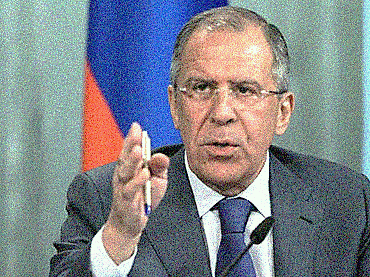
A more accurate bellwether of the tide turning in Syria will be if Russia decides it no longer needs President Assad.