A new book looks at how neoliberalism has shaped the divide between NGOs and social movements in South Korea.
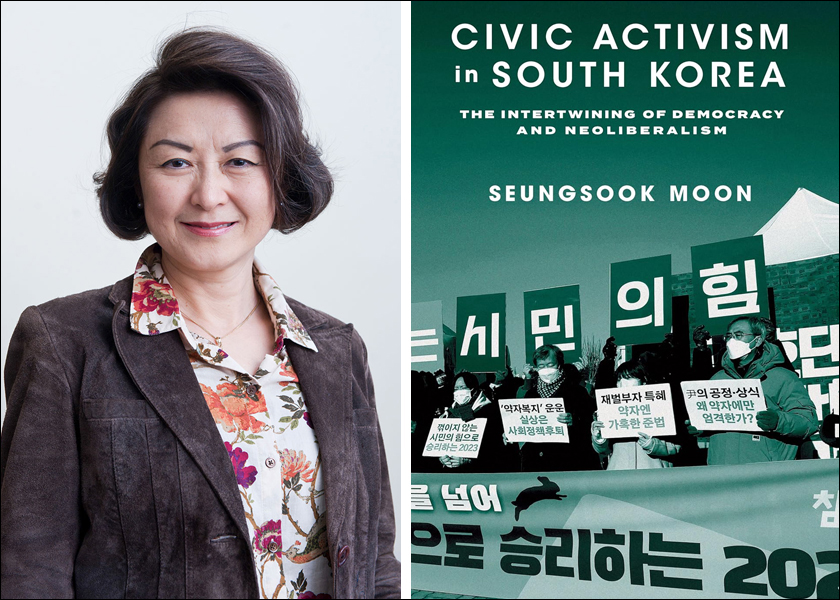
The Transformation of Korean Civil Society
read more

A new book looks at how neoliberalism has shaped the divide between NGOs and social movements in South Korea.

Grace Blakeley’s new book covers not only the scandals but also the structural corruption of capitalism.

A new book, which argues that the sister of North Korea’s leader is the most dangerous woman in the world, fails to convince.

A book of interviews with progressives from all over the world challenges received notions, tackles complex questions, and explains what solidarity really means.
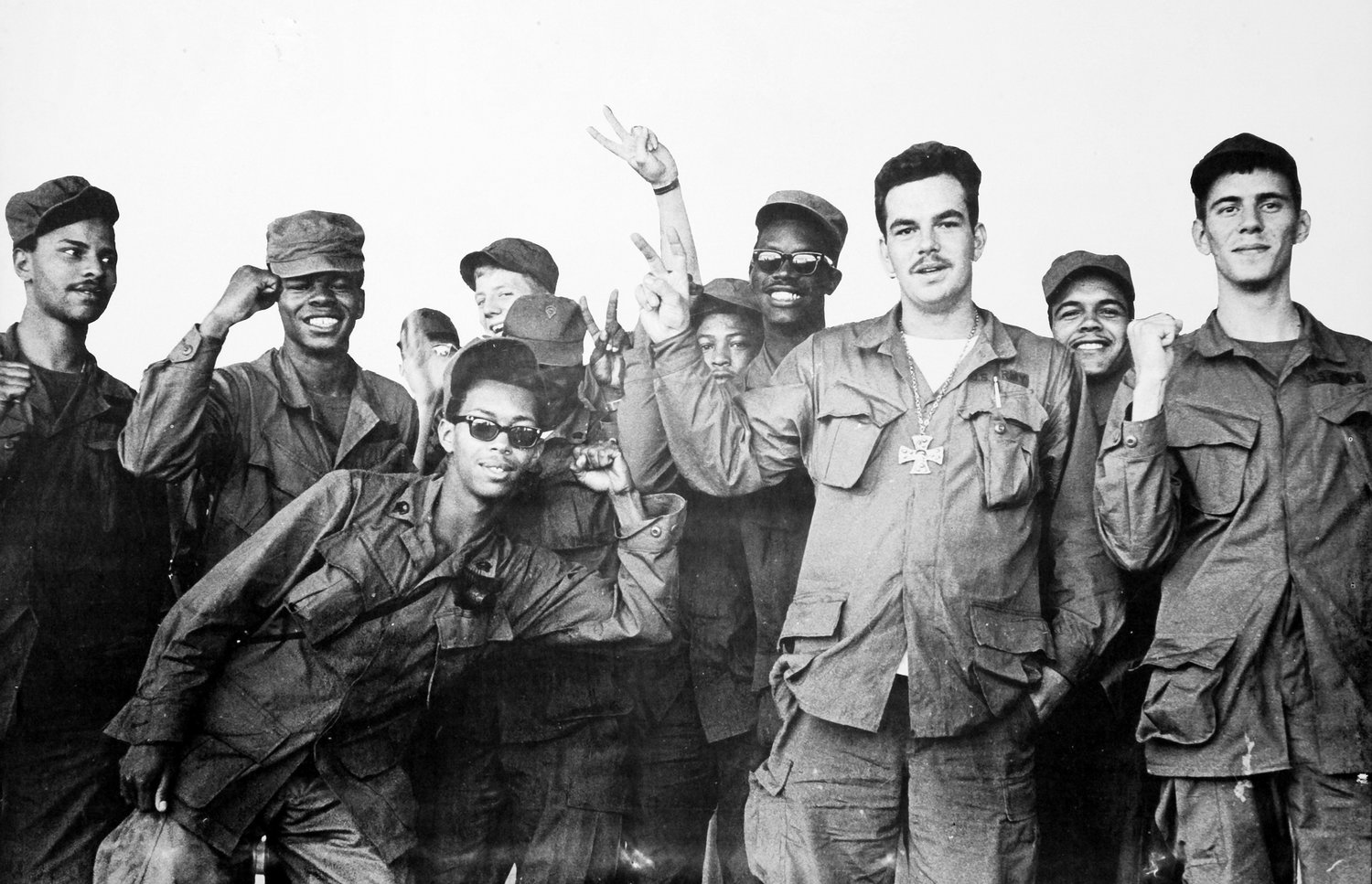
A new book refutes a central myth about the Vietnam War.

Reese Erlich’s new book on Syria combines on-the-ground reporting with an encyclopedic background in the region’s history.

Crusade 2.0 examines the resurgence of anti-Islamic sentiment in the West and its global implications. John Feffer discusses the influence of three “unfinished wars”–the Crusades, the Cold War, and the current “war on terror.” He presents a timely, concise, and provocative look at current events in the context of historical trends and goes beyond a “clash of civilizations” critique to offer concrete ways to defuse the ticking bomb of Islamophobia.
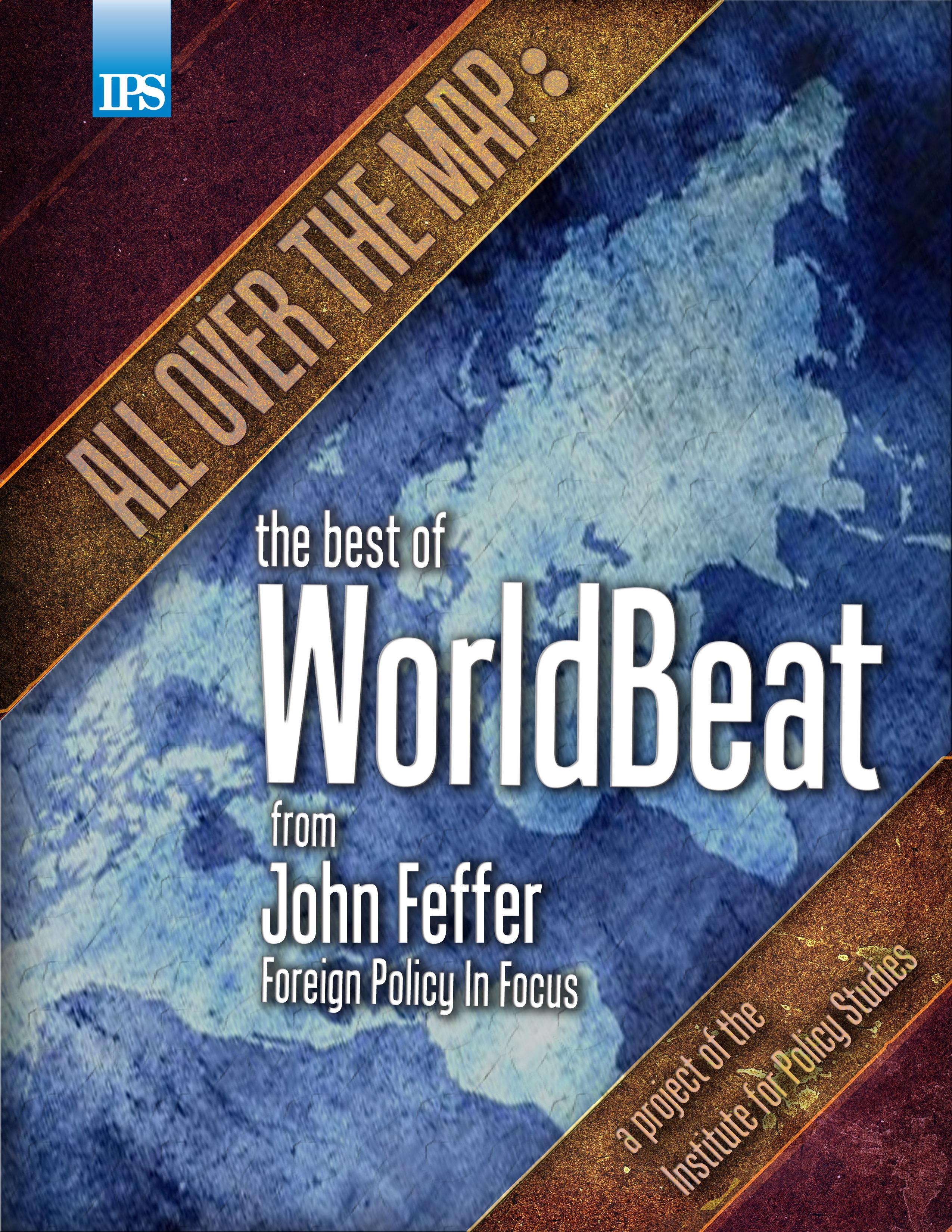
Foreign policy analyst John Feffer looks at global affairs in the Obama era. This collection of more than 125 Foreign Policy In Focus columns covers war, peace, terrorism, global economics, culture, democracy, and the environment. It critically analyzes what’s happening all over the map, from the financial crisis to the Arab Spring, and offers specific recommendations for Washington policymakers

Three decades ago, conservative ideologues at The Heritage Foundation produced a primer on the Reagan Revolution entitled Mandate for Leadership, which offered an overarching philosophy against the role of government and in favor of markets.
Today, IPS has taken on the same task for the Obama administration. Mandate for Change is aimed at strengthening the new administration at a time when the need for progressive policies — and appointing progressive people to lead such efforts—is most urgent.
IPS research fellow and FPIF peace and security editor Miriam Pemberton has teamed up with New America Foundation scholar William D. Hartung to produce a new book that pulls together the thinking of some great minds on the lessons we should be able to take from the Iraq War disaster.
This war may actually have an upside: it should permanently discredit quite a few policies and practices. Preventive war. Politicized intelligence. Coalitions of the coerced. New frontiers of media manipulation. This book’s editors drew up a list, and asked the experts on each to boil down what they know for the rest of us. The authors include The Three Trillion Dollar War‘s Joseph Stiglitz and Linda Bilmes, pre-war UN weapons inspector Hans Blix, National Book Award winner Frances Fitzgerald, NYU legal scholar Aziz Huq, and artist-restauranteur-activist Anas Shallal.
Lessons From Iraq: Avoiding the Next War (Paradigm Publishers, 2008) is short, accessible and affordable. As Barbara Ehrenreich said, “Read this compelling set of essays and join the movement to prevent the next war.”