China’s rapid growth has reduced poverty and produced prosperity — as well as skyrocketing inequality, ecological catastrophe, and dangerous financial bubbles.

China’s Economy Is Powerful, But Deeply Vulnerable
read more

China’s rapid growth has reduced poverty and produced prosperity — as well as skyrocketing inequality, ecological catastrophe, and dangerous financial bubbles.
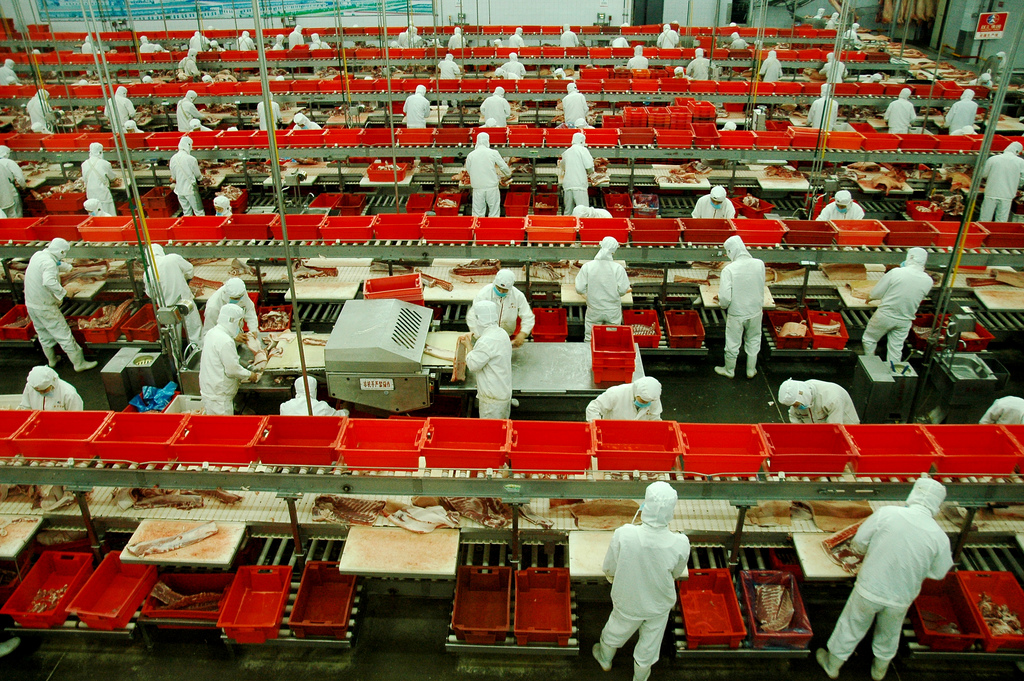
The strengths of Chinese-style capitalism have also been its vulnerabilities.
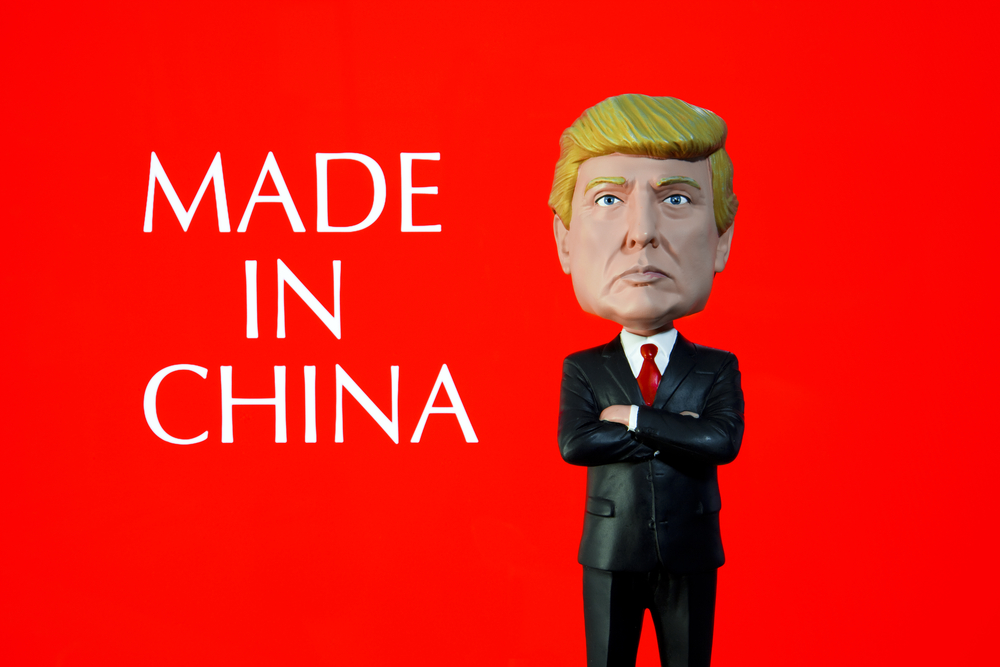
Trump rallied to save a major Chinese firm right in the middle of a trade war of his own making. Why?

China offers two contrasting visions: of regional economic growth and nationalist competition. Which will it ultimately choose?

If the U.S. and China think they can grow at each other’s expense, they’re snookering themselves.

Alongside rising protests from farmers and workers, China now confronts a middle class anxious about a slowdown in growth and burned by the stock market bust. It’s a volatile brew.

China’s once-in-a-decade leadership transition will have major implications for China’s neighbors in Southeast Asia. Given this, it might be worthwhile to review the changing understanding of the momentous developments in China on the part of people in our region, using my generation—the so-called “baby boomers”—as an example.

Behind the political crisis that saw the recent fall of powerful Communist Party leader Bo Xiali is an internal battle over how to handle China’s slowing economy and growing income disparity, while shifting from an export-driven model powered by cheap labor to one built around internal consumption.