Is there another way to create jobs in Owego? I submit that there is.
Swords Into Solar Panels
read more

Is there another way to create jobs in Owego? I submit that there is.

The water is crystalline, the sand is whiter than white, and elegantly bent palm trees sway in the breeze. This is how the Seychelles markets itself: as “another world.” Tourism is the mainstay of this heavenly island, averaging 20 percent of GDP and 60 percent of foreign exchange earnings.
Almost a month after the debacle at the United Nations climate conference in Copenhagen (Conference of Parties or COP 15), the question of who scuttled the talks elicits fury and derision.

Call it guilt money, a long-overdue environmental debt payback, or a smart investment in a hurting planet. Whatever it’s called, climate-change repair funds are on the way.
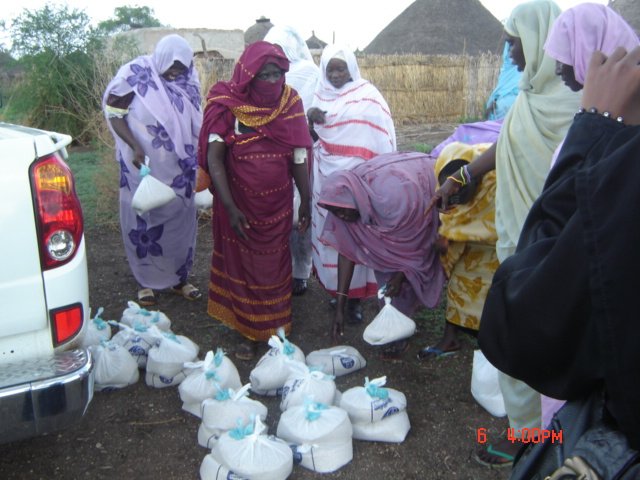
Last weekend, women farmers from Africa and Latin America gave President Obama a message that he can’t afford to ignore. In a letter delivered to the president and U.S. negotiators in Copenhagen, the women argued that the poorest, most disenfranchised people in the world hold the key to resolving the biggest global challenge of our time.
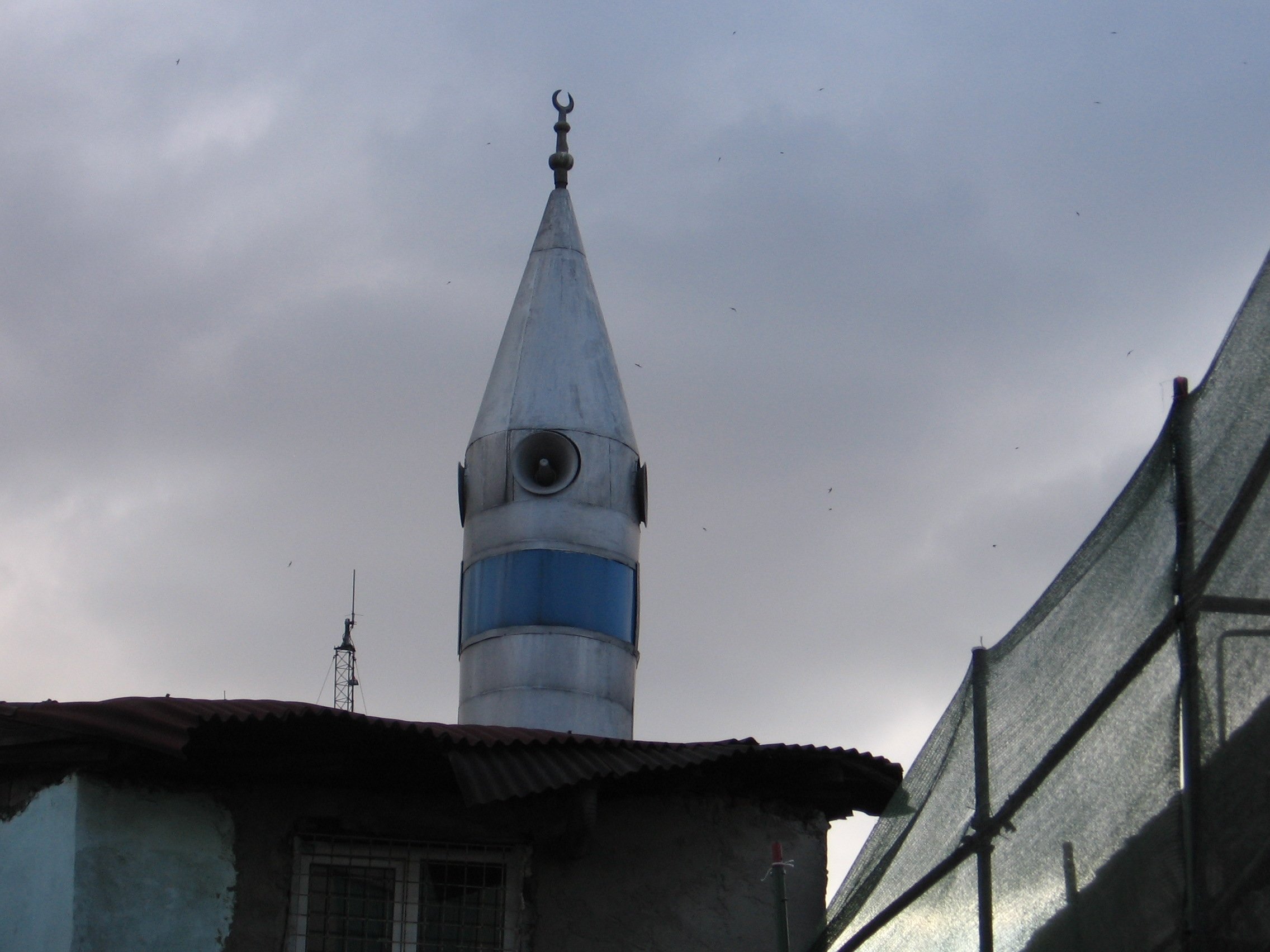
On November 29, a majority of the Swiss population decided to ban the construction of new minarets in their country. Many Muslim leaders and laypeople were “surprised” at the Swiss decision, viewing the decision as an aberration from Western ideals and voicing anti-Swiss criticisms in return. Turkish minister for EU Affairs and chief negotiator Egemen Bağış, for example, argued that Switzerland wouldn’t have taken this decision if it were an EU member. Yet the Swiss decision on minarets reflects a far deeper fear shared by thousands of people in Western Europe. Members of the Christian Democratic Union party in Germany, the Freedom Party in the Netherlands, and the Danish People’s Party have already applauded the decision.

Six months ago, President Obama dazzled audiences from Cairo to Jakarta—and everywhere in between and beyond—with his call for a “new beginning” with the Muslim world. It came after the new president made a series of confidence-building statements, speeches, and diplomatic overtures with a consistent, sobering message: It is time for relations based on “mutual respect” and “mutual interest.” Obama declared at Cairo University that there “must be a sustained effort to listen to each other; to learn from each other; to respect one another; and to seek common ground.”
never much liked the idea of arms control. During the Cold War, we managed our nuclear arsenals rather than reduced them. We treated our nukes like huge, dangerous animals. We restricted their movements but gave them ample care and feeding. Until recently, getting rid of the animals altogether wasn’t part of the political agenda. After all, our leaders believed that these beasts were useful. They scared away the covetous neighbors.

The U.S. military now views the massive disruptions that will result from global warming, in the absence of concerted international action, as a likely precipitant of increased violent conflict around the world.
Two subway cars on Washington, D.C.’s Red Line — which I usually ride to work — recently collided. It was the worst accident in this subway’s history, killing nine D.C. residents and injuring scores of others. The National Transportation Safety Board’s advice to the local transit authority soon came to light: Replace older-model subway cars, including the ones that crashed. The NTSB had said this three years ago, but the transit authority hadn’t had the money to do it.