Iraq
Review: We Meant Well

Review: We Meant Well

Peter Van Buren, a U.S. foreign service officer for 23 years, served the reconstruction effort in Iraq from 2009 to 2010. Appalled by the mismanagement he saw, Van Buren published We Meant Well in September 2011 detailing his experience and hoping to help the United States learn from its mistakes. The State Department launched an investigation of Van Buren’s whistleblowing but waited until mid-March 2012 to fire him — just “days before the Office of the Special Counsel was ready to begin their discovery request for documents” according to Van Buren’s Democracy Now! interview

read more
Al-Qaeda in Iraq’s Strategy for 2012

Al-Qaeda in Iraq’s Strategy for 2012

It was an ordinary early morning in Baghdad in February 2012. Mothers and fathers were stuck in the grueling traffic of the capital, on their way to work. Their children were all packed up and ready to go to school. Shops were opening up in Baghdad’s market, hoping to profit from the morning rush hour. Then, at a moment’s notice, Iraqis in Baghdad and several other Iraqi cities found themselves in the middle of a coordinated series of terrorist attacks. 

read more
Iraq and the Limits of U.S. Power

Iraq and the Limits of U.S. Power

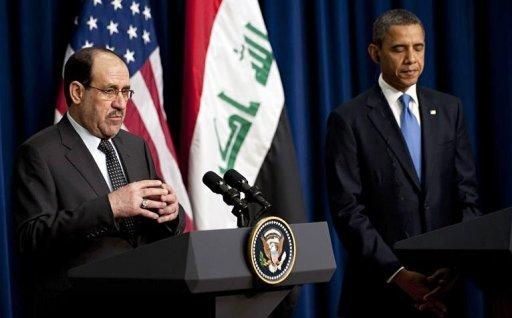
“Washington has lost a valuable opportunity to nurture and support a key counterweight to Iranian influence among Shiites in the Arab world,” lament Danielle Pletka and Gary Schmitt of the neoconservative American Enterprise Institute in an op-ed for the Washington Post. They subsequently call on the Obama administration to bulk up its already grossly overloaded staff at the gigantic U.S. embassy in Baghdad. But in these few words, the two writers fleshed out a more fundamental concern for hawkish pundits in the Middle East: the fear of a “Shia Crescent” of Iranian-backed regimes in Bagdad, Beirut, and Damascus linking the Mediterranean Sea and the Persian Gulf.

read more
Iran and Post-Withdrawal Iraq

Iran and Post-Withdrawal Iraq

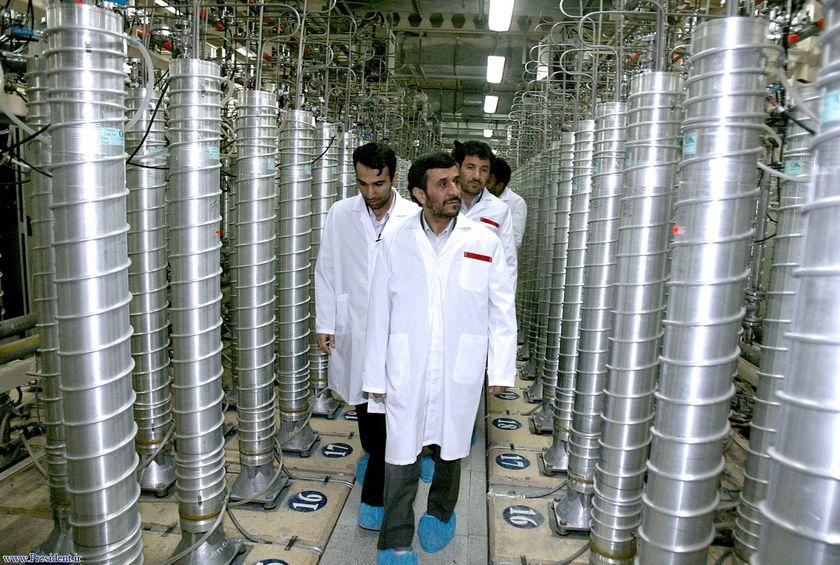
With the United States formally ending its military operations in Iraq, many analysts are beginning to examine Iran’s deep influence in the country. In light of of Iran’s growing tensions with the Westover its burgeoning nuclear program, Tehran’s maneuvers in Iraq carry tremendous strategic implications.

read more
Failed Sanctions on Iran

Failed Sanctions on Iran

During his State of the Union address President Obama trumpeted the supposed success of tougher sanctions on Iran. U.S. policymakers seem to believe that stronger measures will deny the regime’s nuclear capability and force it to cry uncle. Although sanctions are indeed causing serious harm to the Iranian economy, they have not forced the government to comply with U.S. demands. Greater pressure seems only to have hardened the regime’s determination to press ahead with the nuclear program, while weakening the position of the country’s beleaguered civil society opposition.

read more
Principled Intervention in Africa

Principled Intervention in Africa

The recent indictment of four Kenyan leaders by the International Criminal Court (ICC) for war crimes represents the culmination of a remarkable process of local and international peacemaking. It also stands in stark contrast to Western military invasions in Ivory Coast and Libya last year. The ICC indicted four Kenyan leaders on January 23 for their role in the orgy of political violence that followed the disputed December 2007 election and left 1,200 dead and 250,000 displaced.

read more
The Under-Examined Story of Fallujah

The Under-Examined Story of Fallujah

Seven years after the U.S. invasion of Fallujah, there are reports of an alarming rise in the rates of birth defects and cancer. But the crisis, and its possible connection to weapons deployed by the United States during the war, remains woefully under-examined.

read more