Prime Minister Kan is on board with the U.S. military presence in Okinawa, but the island’s residents and politicians are considerably less sanguine about it.

Japan’s Three Elections
read more

Prime Minister Kan is on board with the U.S. military presence in Okinawa, but the island’s residents and politicians are considerably less sanguine about it.
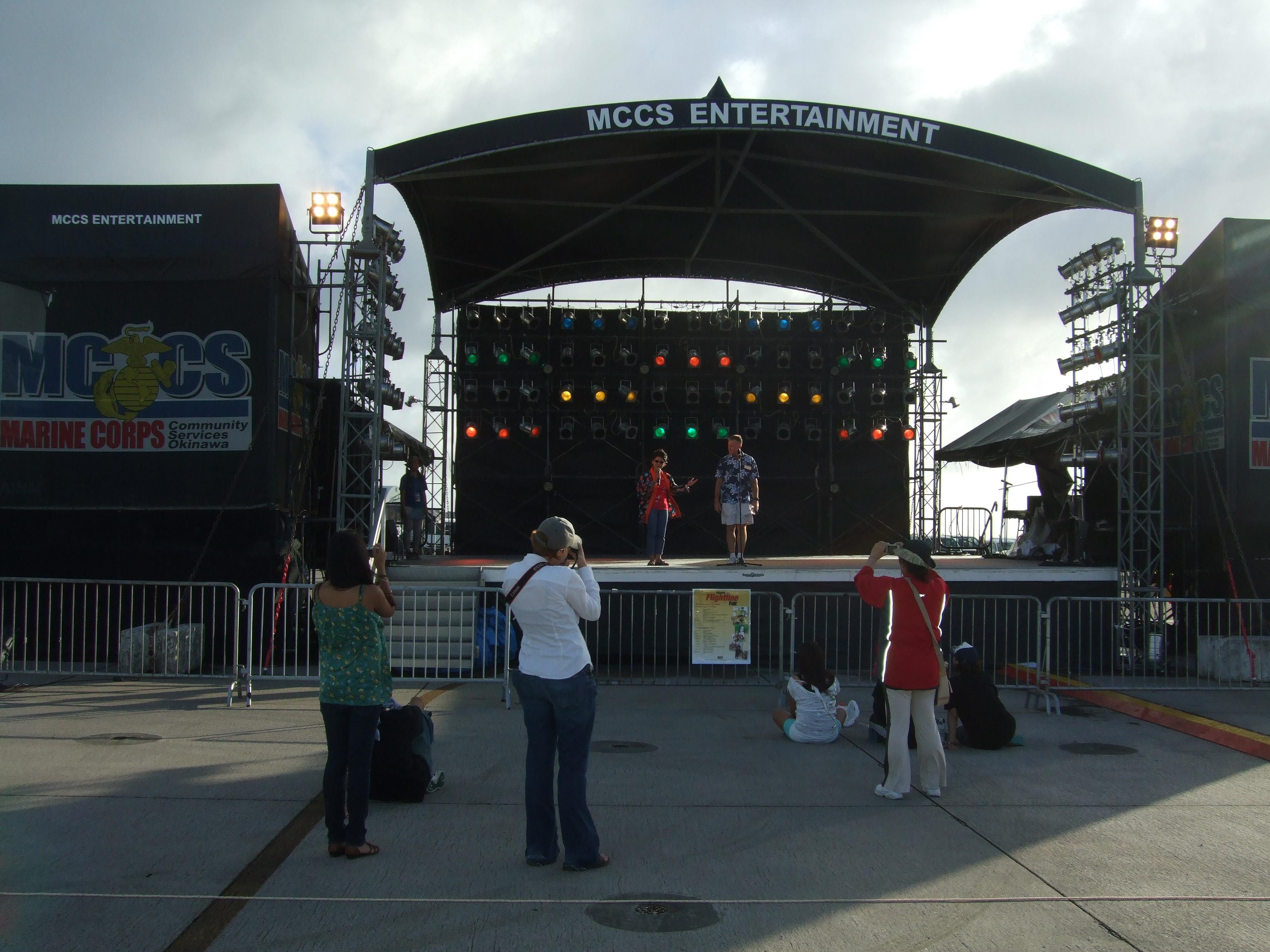
This is shaping up to be the toughest year for Futenma Air Station since one of its helicopters crashed into a nearby university six years ago. That accident cemented calls to move the Marine Corps base from its current location in crowded Ginowan City to Henoko, a less populated area in the north of Okinawa Island, Japan’s southernmost prefecture. As details slowly emerged of underhanded construction deals and the potential destruction of Henoko’s ecosystem, though, public dissatisfaction with the plan grew. The opposition Democratic Party of Japan took advantage of this mood when they came to power last year on a platform to scrap the proposed relocation and move the base elsewhere.

A Japanese cult leader took out a Washington Post ad in which false claims were made about leftists seeking to expel the U.S. military from Japan. In truth, protesters are focused on halting the building of a new U.S. base in Okinawa.
With few exceptions, white pundits, politicians, military brass, think tankers, and academics have long dominated foreign-policy debates. We need to expand the diversity of those deemed foreign-policy experts beyond the usual suspects.

The Obama administration never warmed to Hatoyama. But it was the Okinawa base issue that sealed the deal.
Japanese PM Hatoyama’s modified base relocation plan looks like a lose, lose, lose proposition for Okinawa, Japan, and President Obama.

Earth Day was a big event this year. Sting sang on the Mall here in Washington. The citizens of Qatar turned off their power for an hour. The U.S. Navy rolled out its new biodiesel-fueled Green Hornet fighter jet.
The U.S. military’s Kooni Firing Range in the South Korean village of Maehyang-ri was closed in 2005, following a concerted effort by anti-base activists. Kageyama Asako (narrator and co-producer of Marines Go Home) discusses the lessons from Maehyang-ri in the context of the Futenma relocation debate that is at the heart of current U.S.-Japan conflict.
On his trip to Japan last fall, Barack Obama proudly announced that he was America’s first Pacific president. The president lived in Indonesia as a young boy and went to high school in Hawaii. This past informs his present. Obama has visited the region, been the first U.S. president to attend an Association of Southeast Asian Nations (ASEAN) summit, and underscored the importance of the region for U.S. policy. Instead of simply containing China, Obama has stressed a relationship of cooperation. He has called for strengthened alliances with South Korea and Japan. And he has offered a policy of careful diplomacy toward North Korea.
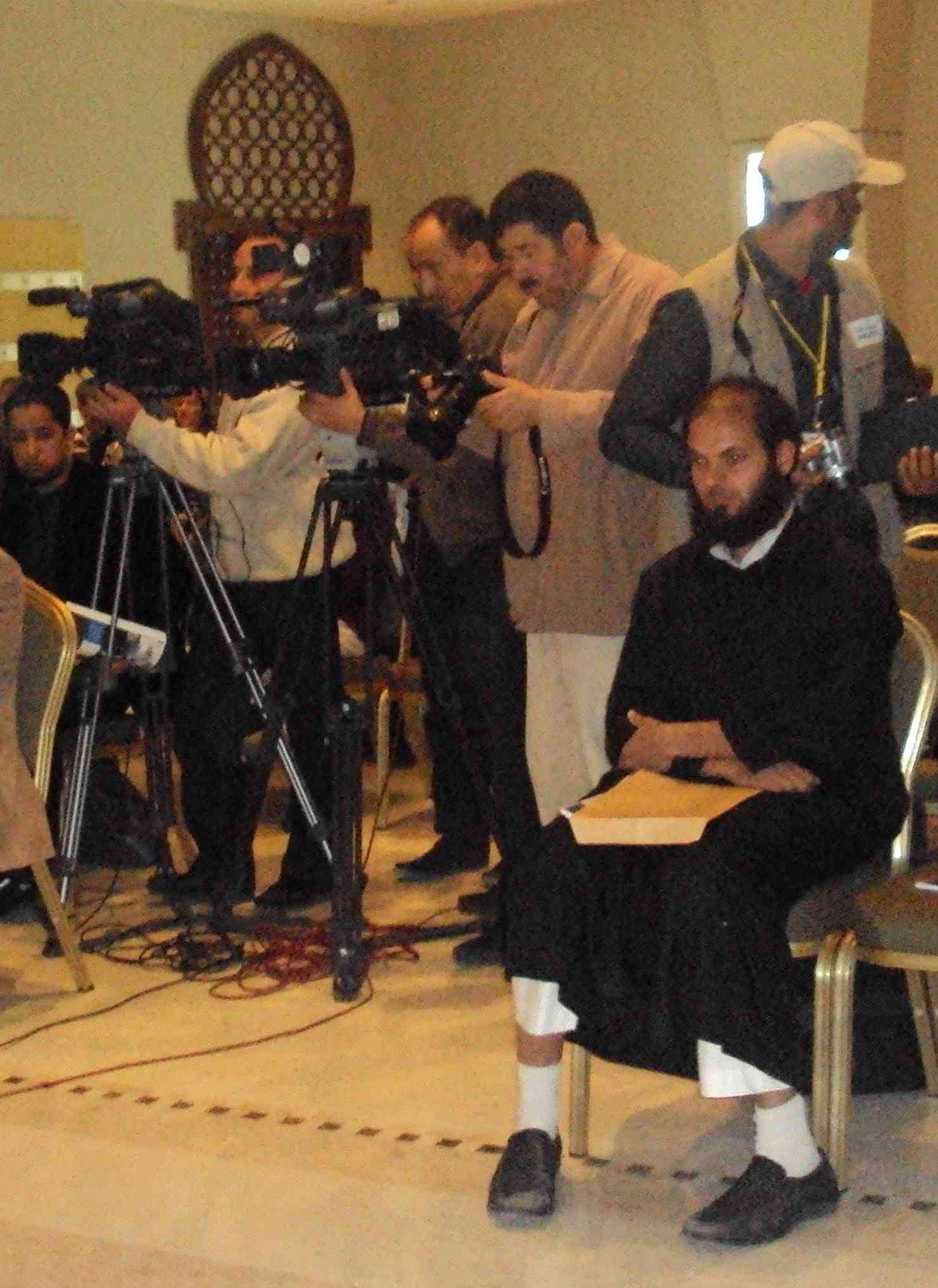
I recently went to Tripoli, where we held a news conference to release a report about human rights in Libya. That’s right — a public event in Libya’s capital at which Human Rights Watch staff sharply criticized the government led by Muammar el-Gaddafi. Mundane in many countries, in Libya this was a momentous event. But it was only one of the breakthroughs we observed on the trip.