Before we get cynical about 2014, let’s recount the good news from 2013: declining U.S. militarism, a resurgence of diplomacy, and a more forceful global discussion about inequality.

Reasons To Be Cheerful
read more

Before we get cynical about 2014, let’s recount the good news from 2013: declining U.S. militarism, a resurgence of diplomacy, and a more forceful global discussion about inequality.
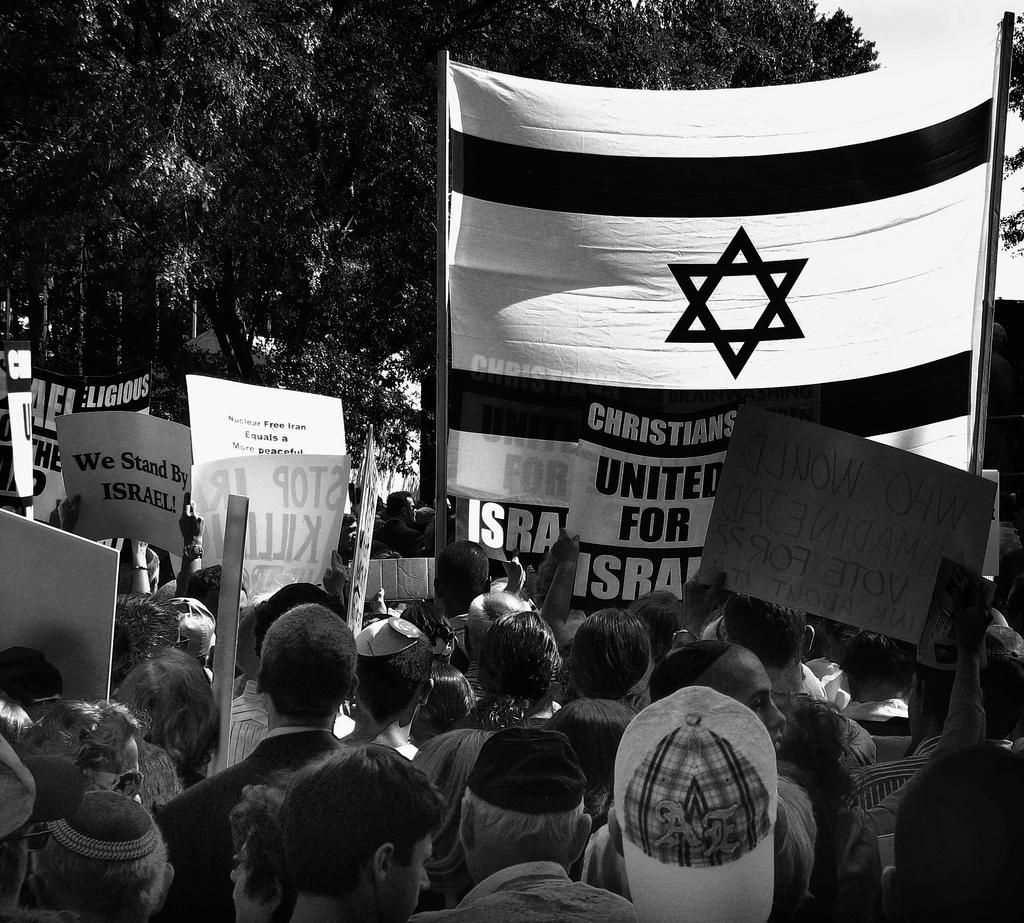
With or without nuclear weapons, Iran and its allies are the chief impediments to Israeli hegemony in the Middle East.
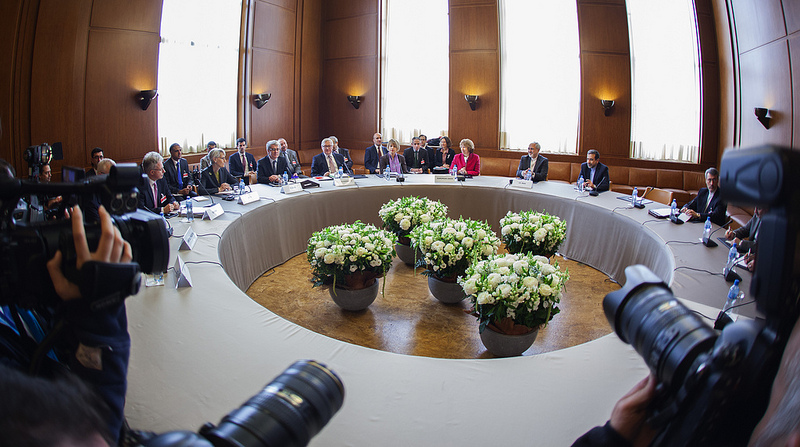
The six-month interim agreement between Iran and the P5+1 powers will echo through the decades if it can bring Washington and Tehran in from the cold.

As the U.S. and its allies prepare for another round of negotiations with Iran over its nuclear program, powerful and wealthy opponents—from the halls of Congress to Middle East capitols—are maneuvering to torpedo them. At stake is the real possibility of a war with...

After eight months of diplomatic hiatus, Iran and the so-called “P5+1” powers—including the United States, China, Russia, France, Germany, and the United Kingdom—were finally able to return to the negotiating table. And, to the surprise of many observers, they managed to pull off a potential breakthrough in the decade-long standoff over Iran’s nuclear enrichment program.
There seems to be no way that Iran can retain its self-respect in talks with the U.S., Russia, China, U.K., France and Germany.

The first round of nuclear talks between Iran and the P5+1 countries – the United States, Russia, China, France, the United Kingdom, and Germany – concluded in Istanbul with a rare expression of optimism and satisfaction by both sides. The two sides agreed to resume their negotiations next month in Baghdad.