Pretending that everyone wants peace in Colombia ignores the long-term effects of militarism — and the fact that the war benefits many powerful interests, including in Washington.
Should we rethink the way voters weigh in directly on matters of national security and international relations?
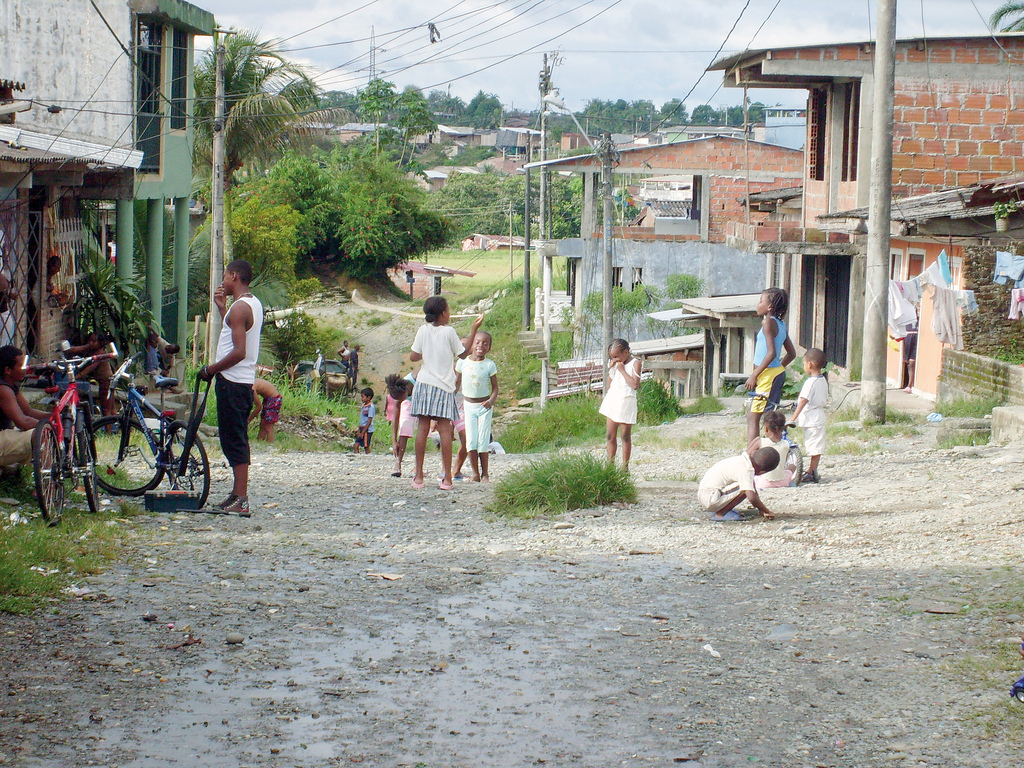
Since they are disproportionately affected by the conflict in Colombia, Indigenous and Afro-Colombian communities must be part of the peace process.
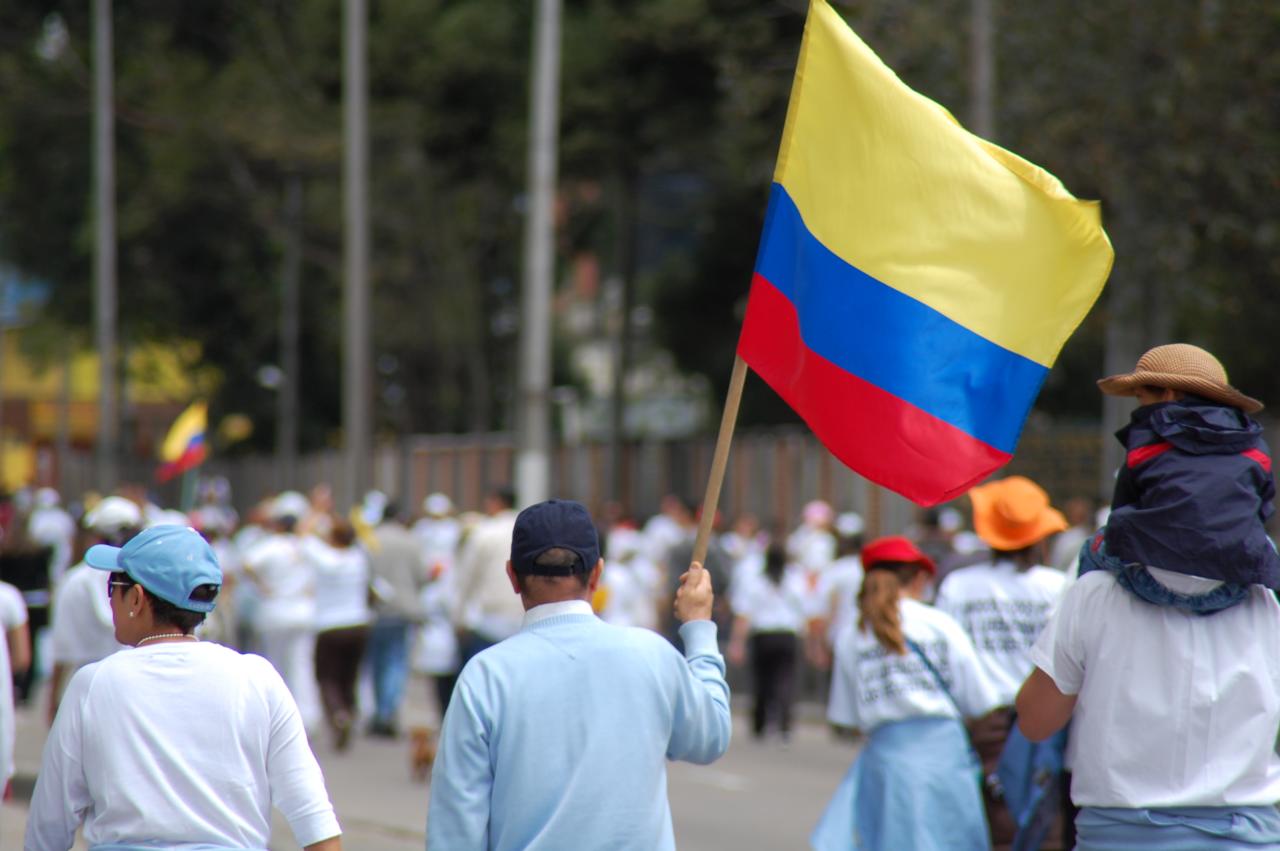
After half a century, Colombia may put an end to its conflict—if the U.S. will allow it.
Washington’s pursuit of trade with Colombia — encapsulated by the recent U.S.-Colombia free-trade agreement — is abetting human rights abuses and marginalizing Colombian activists.
When the guerrillas were around, I fought for what was mine. When the paras came, I fought for what was mine. A guerilla commander once said to me, “Brother, you have to pick sides.” And I said, “No, I choose no side.” I was neither a para nor a guerrilla.
Colombia has endured one of the longest-running civil conflicts in the Western Hemisphere. Throwing Stones at the Moon: Narratives from Colombians Displaced By Violence, edited by Sibylla Brodzinsky and Max Schoening, is a compelling compilation of personal accounts of the tragedies and abuses suffered by everyday Colombians during the country’s civil war.
If FARC profits from the drug trade again, it may confront the government rather than work with it.
On the first day, Colombian military and police forces launched an attack on an encampment of the Colombian guerrilla group Fuerzas Armadas Revolucionarias de Colombia (FARC) in Ecuadorian territory, killing over 20 people.
While most Americans are familiar with al-Qaida, they’re less knowledgeable about a group spreading terror within U.S. inner cities: Mara Salvatrucha. Also known as MS-13, the Maras have 20,000 North American members. Mara cadres have set up in many American cities, creating the beginnings of a national command hierarchy, with some Maras on the East and West coast reporting directly to and paying gang dues to leaders in Central America. As these cadres grow and learn, they become more dangerous, and already they have begun to actively target law enforcement officers. Although the FBI and law enforcement agencies have tried to contain them using anti-racketeering statutes, which allow prosecutors to attack the structures of organized crime, the real problem lies beyond the border.