Unless the world is prepared to stand by and watch Libyans massacred, there is clearly a need for intervention.
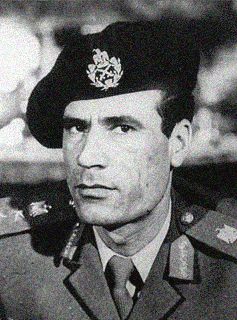
Libya Needs Cancer of Gaddafi Removed, But U.S. More Slasher Than Surgeon
read more

Unless the world is prepared to stand by and watch Libyans massacred, there is clearly a need for intervention.
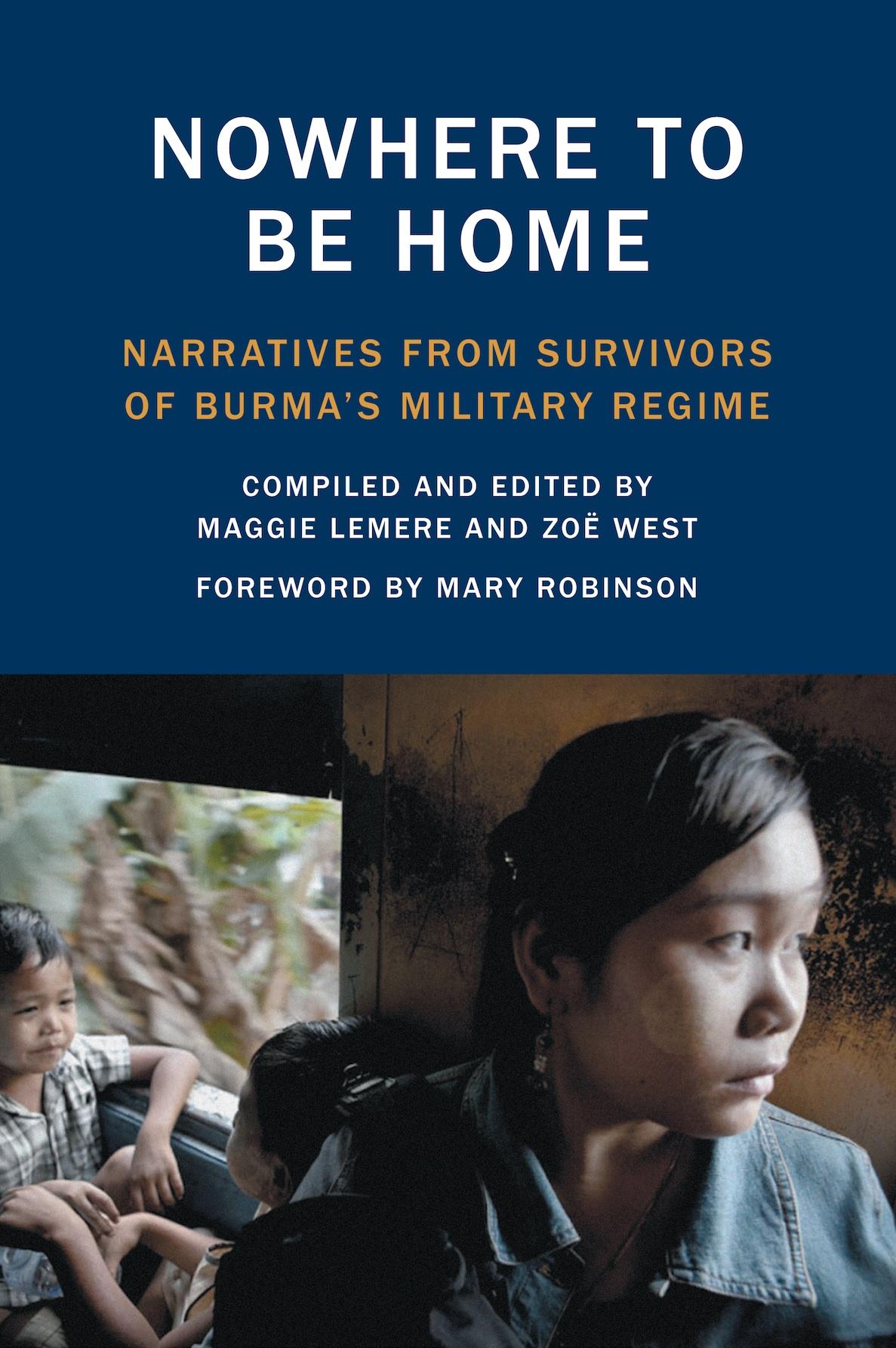
When I was in the army, I thought the guerillas were trying to break my country, to destroy my country—this is how I used to think. Not now, now I’m not the same. I don’t know why people join the military. As for myself, I was forced to be a soldier. If I had stayed with my family, I would not have been a soldier. I think the army takes children because they need to strengthen their forces, increase the number of soldiers. I think there is a reward for each soldier who catches a child. Any time a soldier recruits someone to join the force, they get a lot of money. Older soldiers told me that if they recruit someone, then they can quit the army.
Unlike the despots in Egypt and Tunisia, Libyan leader Muammar Gaddafi is resisting the popular revolutions sweeping the Arab world. As of this writing, the pro-democracy rebels successfully control Benghazi, Libya’s second largest city, and most of the eastern part of the country. Gaddafi still controls most of the military, revolutionary committees, and foreign mercenaries. More importantly, Gaddafi controls the capital city of Tripoli with a population of 2.5 million out of a total population of 6.5 million. Gaddafi is attacking the rebels, taking back Zawiya, Ras Lanof, and pushing forward east to take more rebel areas.

The revolutionary democrats of the Arab world have an opportunity to bring about the next stage in the global democratic revolution. Will they accept the challenge, or will they withdraw back to private life, as some have indicated, leaving older generations of politicians to come to center-stage with their tired, archaic western models of representative democracy?

Brazil’s rise in a way parallels the demise of U.S. influence in the region.
In four magisterial works, the historian Eric Hobsbawm divided 200 years of modern history into the Age of Revolution (1789-1848), the Age of Capital (1848-1875), the Age of Empire (1875-1914), and the Age of Extremes (1914-1991). The period after 1992 so far remains nameless. Let me rashly and prematurely propose a name for our era: the Age of Activism. Here’s a preliminary sketch for a history of the age in which we are currently immersed, as well as a diagnosis of where this activism is heading.

U.S. policymakers should learn from the events in the Middle East that the Muslim impulse for modernity and freedom is hindered, not helped, by Western military intervention. And they should learn soon. The U.S. “Af-Pak” war is accelerating the self-destruction of the world’s second largest, and only nuclear, Muslim country.

Thousands of people have gathered in the main square of the capital city demanding the resignation of the ruling government. This time it’s not Cairo or Tripoli, but Zagreb. For the past 16 days, the residents of Zagreb, along with citizens in towns across Croatia, have been demonstrating every other day. Their numbers seem to be growing. According to recent estimates by Croatian media, up to 100,000 people across the country have participated in the protests.
The Western world finally sees real Muslims in action.
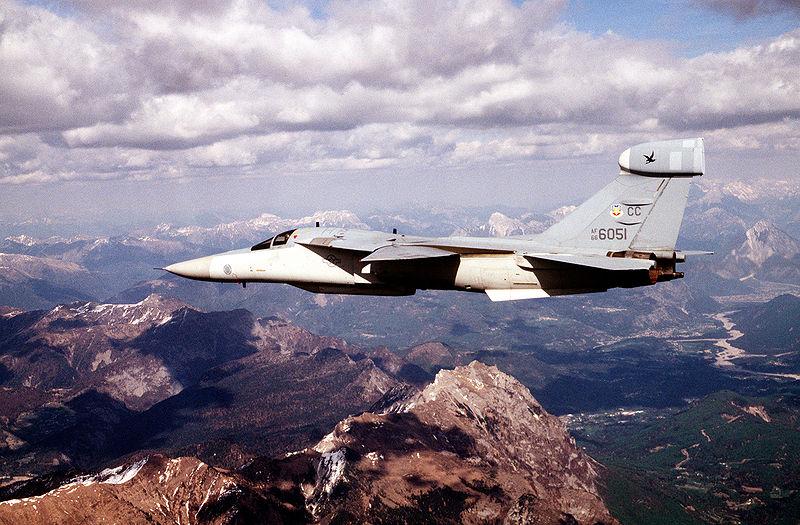
A no-fly zone would be of little help halting the largely ground-based attacks on Libyan rebels and civilians.