One cable describes a Mexican government pursuing losing tactics in the name of an unfocused strategy that leaves everyone worse off, with the exception of the country’s increasingly drug cartels.
Perhaps because he didn’t discover it until later in life, Johnson’s outrage at American militarism was a well that never ran dry.
As one of his first acts in office, President Obama issued an executive order committing to close the prison at Guantanamo Bay within one year. Almost two years later, unnamed administration officials are predicting that the prison will remain open “for the foreseeable future.” This means that men like Djamel Ameziane will remain trapped there for the foreseeable future as well.
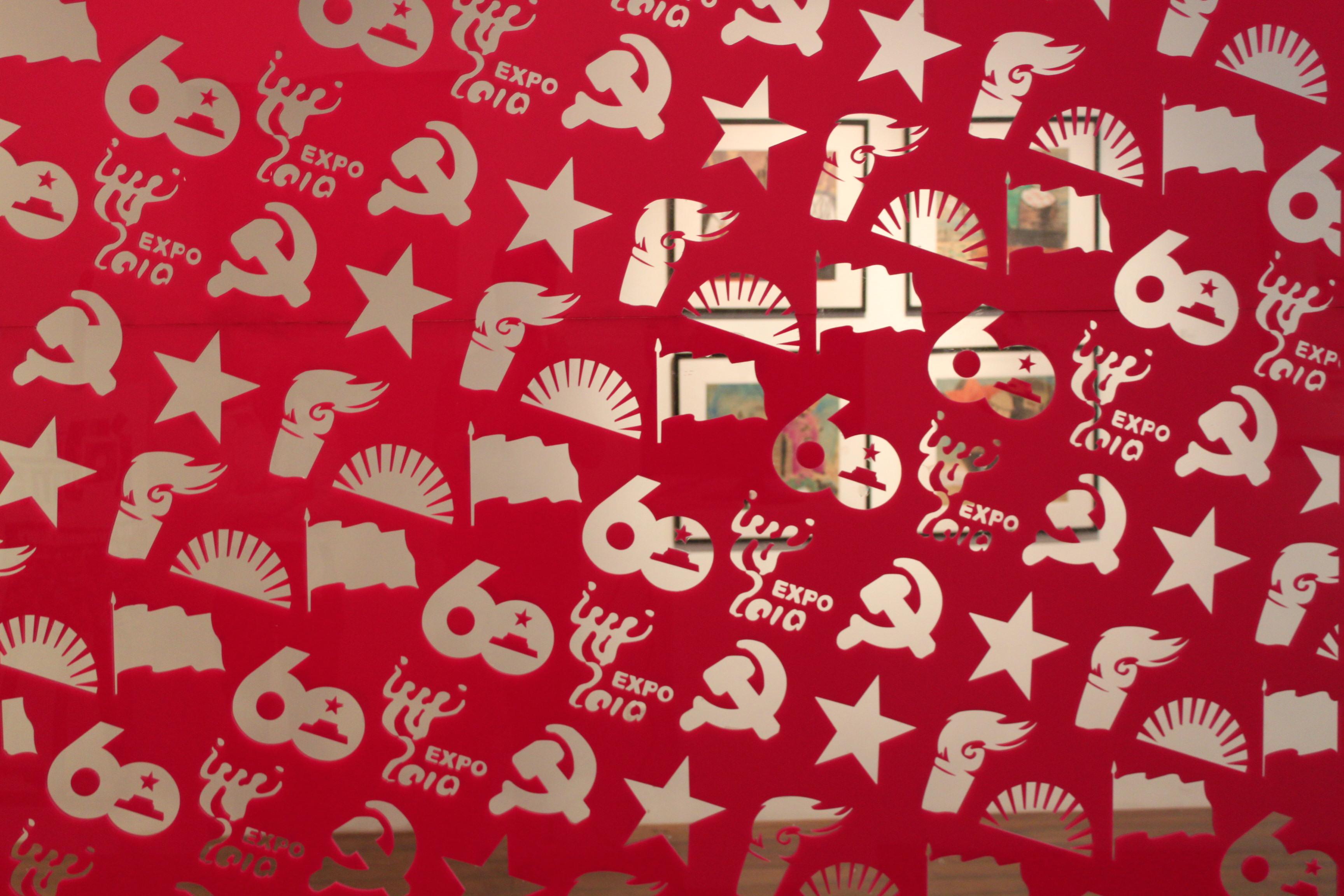
This photo was taken in Shanghai’s stylish former French Concession district while, across town, the 2010 World Expo ushered in hundreds of thousands of visitors per day. The contemporary art piece on display by Beijing artist Ren Hong juxtaposes the potent political images of the Expo, Beijing’s Olympics, and the People’s Republic’s 60th anniversary celebration. The attendant moral complexities of these spectacles are filtered out through simplistic official symbols. Her work is a fitting eulogy for the Expo that closed in October.
A cable by U.S. ambassador to Sri Lanka reveals that neither government nor Tamil Tigers seek an investigation into civilian casualties resulting from Tiger’s last stand.
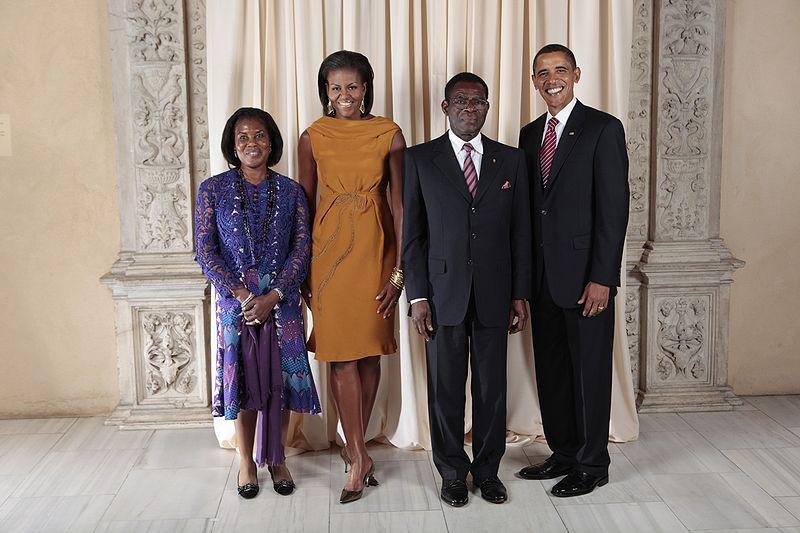
This past October, the United Nations Educational, Scientific, and Cultural Organization (UNESCO) suspended a three million dollar research prize funded by Teodoro Obiang, one of the world’s worst dictators. Shamed by an open protest letter signed by over 60 leading global activists, UNESCO was compelled to distance itself from a man who has long ruled Equatorial Guinea with an iron fist. Precisely how a leader cut from the same cloth as Idi Amin, Omar al-Bashir, or Nicolae Ceausescu came to finance a UN prize in the first place is a truth stranger than fiction.
The Nigerian government needs to show commitment to the Protocol on the Rights of Women in Africa by passing relevant laws and allocating funds to women’s rights.
WikiLeaks’ Honduras documents exemplify the positive side of American diplomacy.
Bush’s ambassador to Zimbabwe believed that if we “stayed the course,” our “freedom agenda” would reign.
China’s hostility toward African traders in its midst mirrors its ambivalence over its integration into the world economy.