FPIF asked Anuradha Mittal of the Oakland Institute and Gawain Kripke of Oxfam the following questions:
Trade Can Play A Role in Agricultural Development
read more

FPIF asked Anuradha Mittal of the Oakland Institute and Gawain Kripke of Oxfam the following questions:
FPIF asked Anuradha Mittal of the Oakland Institute and Gawain Kripke of Oxfam the following questions:
This year marks the 200th anniversary of the end of the trans-Atlantic slave trade and the 175th anniversary of the first meeting of the New England Anti-Slavery Society.
It has been a year since the horror of the bloodshed in Sudan’s Darfur region–with over 200,000 dead in three years–began leaking across the border into Chad. It has also been a year since a simmering conflict boiled over into a full-scale confrontation between World Bank President Paul Wolfowitz and Chadian President Idriss Deby. Are the two connected? In a word, yes. Here’s how.
Some people, at year’s end, like to spread holiday cheer. The world might do better, suggests a landmark new report from the United Nations University in Helsinki, to start spreading wealth.
A major debate is underway in China on a proposed law that would grant new rights to Chinese workers. The debate has not been widely reported outside of China; until recently it has been almost entirely ignored by media in the United States. But when the Chinese government opened a 30-day public comment period this spring, it received nearly 200,000 comments, the majority from ordinary workers. But some comments also came from big U.S.- and European-based global corporations and their lobbying groups. These powerful forces squarely opposed the new law.

> George Washington samples some rum.
It is rare to think about the links between militarism and U.S. “trade” policy. But in recent decades, U.S. global economic policies have increasingly driven U.S. military policy. And under the Presidency of George W. Bush and the “war on terrorism” the trend has rapidly and dangerously accelerated. The results have generated a militarism that is beyond the reach of democratic processes both in the United States and abroad. For this reason, activists who oppose the Iraq War and U.S. militarism generally and those promoting global economic and environmental justice must develop a common agenda.
The evidence that its members states are seeking to escape from the International Monetary Fund’s “jurisdiction” continues to mount. Most recently, Uruguay, the IMF’s third largest borrower, became the latest country to announce that it was prepaying its outstanding obligations to the IMF, and the IMF was forced to downgrade the multilateral consultations on global economic imbalances that it had proudly unveiled in April because leading economic powers have proved reluctant to fully engage in these consultations.
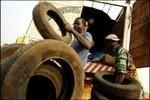
Liberia is rich in natural resources and Africa’s largest producer of natural rubber. It is also one of the world’s poorest countries. Liberia’s impoverishment is directly related to the wealth generated from its natural resources; wealth that because of a history of inequality and exploitation benefits multinational corporations and some wealthy Liberians at the expense of the citizens of Liberia. However, many Liberians, along with international allies, are actively resisting this unjust system.