Few would oppose a robust U.S. response to Ebola, but the Obama administration’s deployment of 3,000 troops to Liberia comes amid a broader U.S.-led militarization in West Africa.

Militarizing the Ebola Crisis
read more

Few would oppose a robust U.S. response to Ebola, but the Obama administration’s deployment of 3,000 troops to Liberia comes amid a broader U.S.-led militarization in West Africa.

Like missile defense, hypersonic missiles destabilize the nuclear balance.

Iran is the linchpin of security in the Middle East.

Many Americans have reached the point that they can no longer conceive of a legitimate war unless it’s on our own soil.
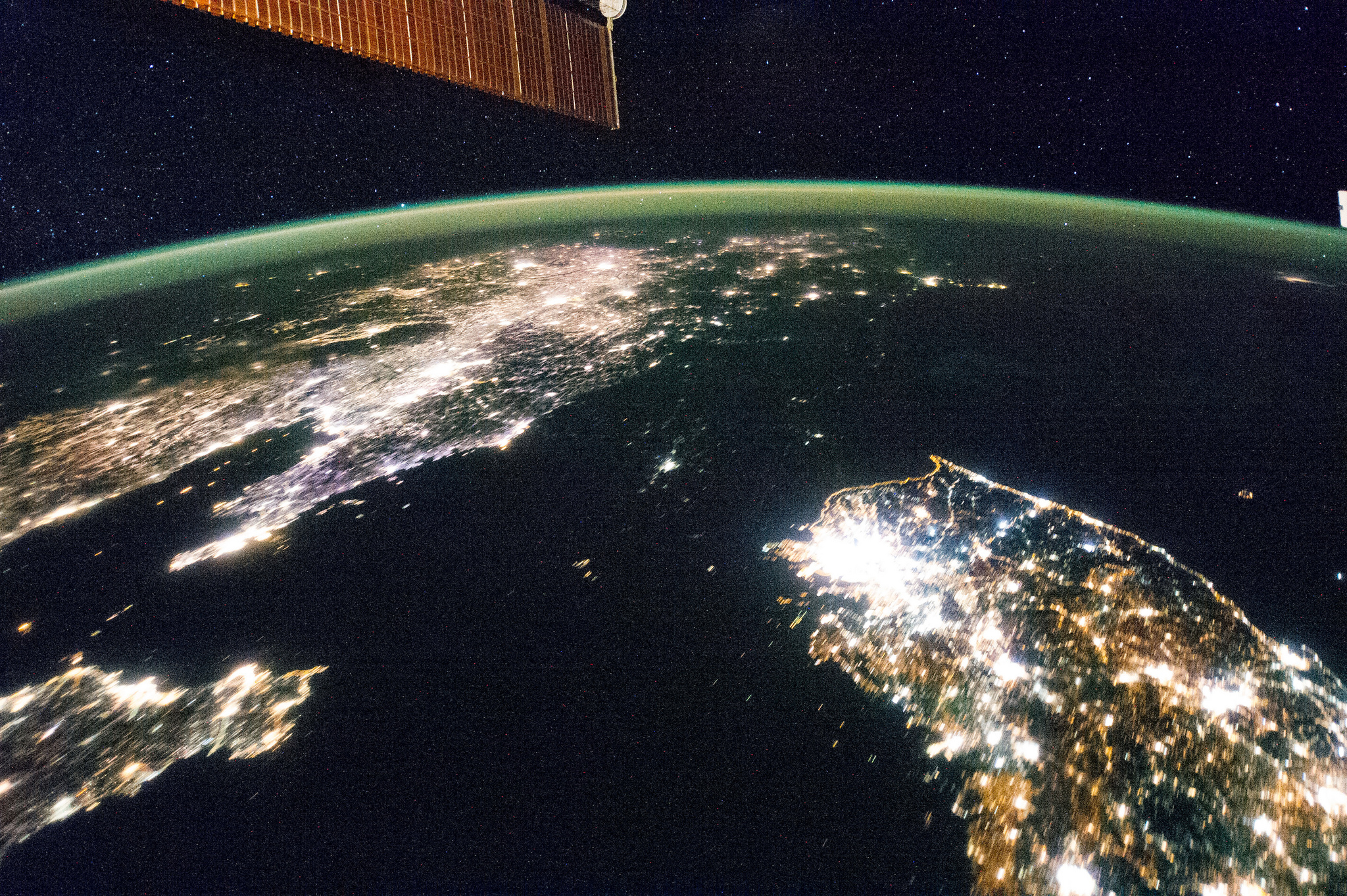
Forget those black-and-white satellite photos—North and South Korea are more alike than many suppose, and they’re slowly growing closer.

The U.S. cannot confront climate change, growing economic inequality, and the deterioration of our infrastructure and education system without reducing the $1 trillion it spends annually on defense.
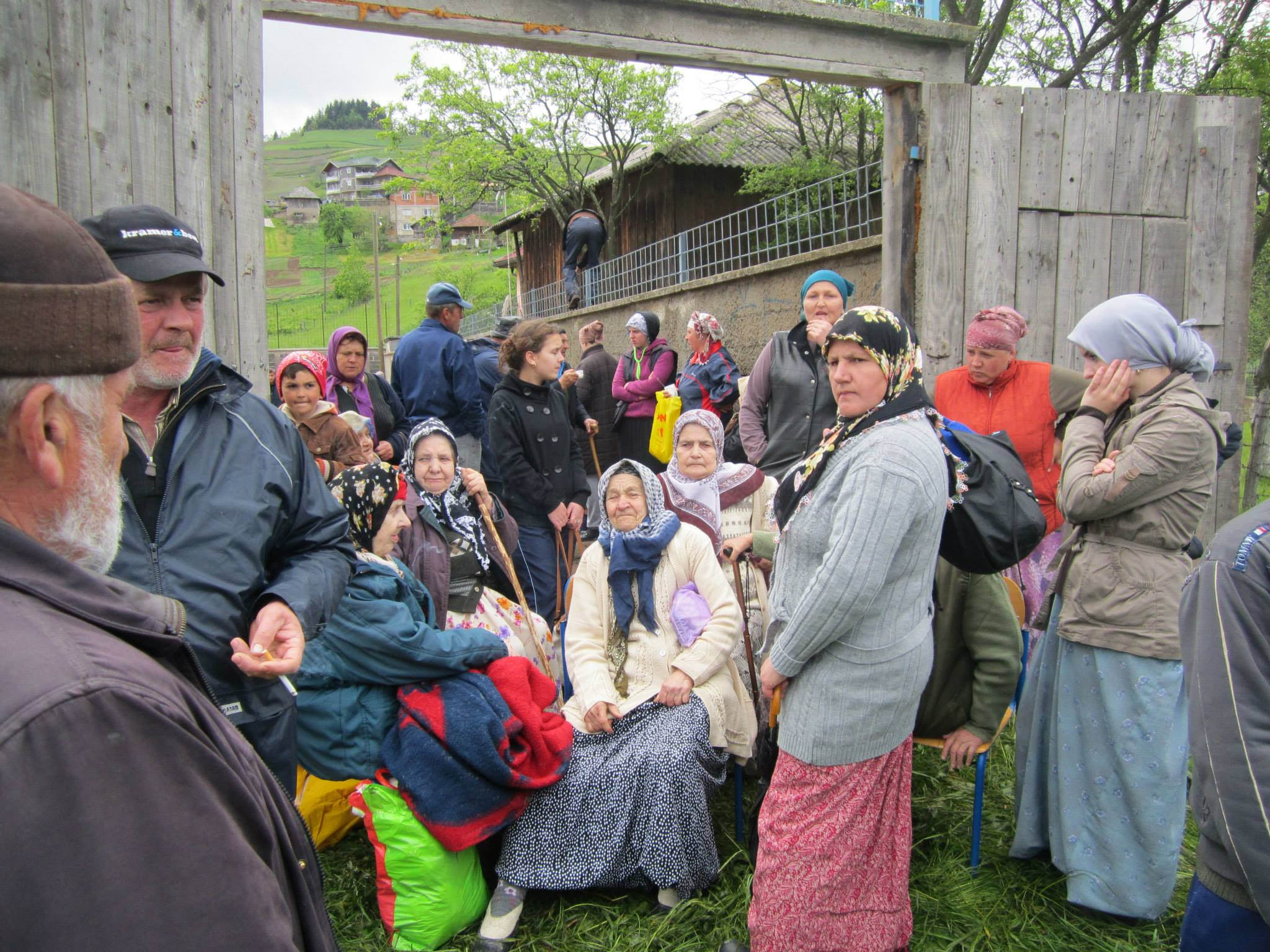
Amid rising anti-government sentiment and a series of natural disasters, Bosnia-Herzegovina’s fractured ethnic communities are drawing strength from an unlikely source: each other.

The U.S. recently made the case that Russia is in violation of the Intermediate-Range Nuclear Forces Treaty, but it needs to look in the mirror, too.

Unthinkable? Perhaps, but it’s entirely plausible that Vladimir Putin could attack a NATO country with nuclear weapons and emerge victorious.

Washington’s major limitation towards Russia is not a lack of military leadership, but a lack of moral leadership.