A former Ukrainian commander says that NATO, too, is not ready for Ukraine.
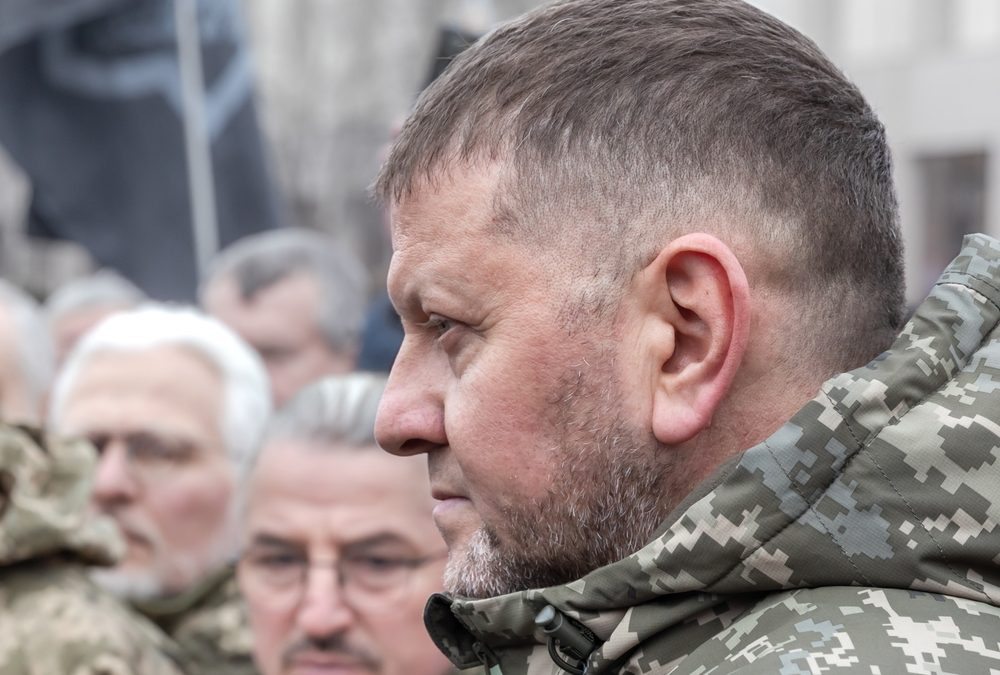
What’s Blocking Ukraine from NATO?
read more

A former Ukrainian commander says that NATO, too, is not ready for Ukraine.
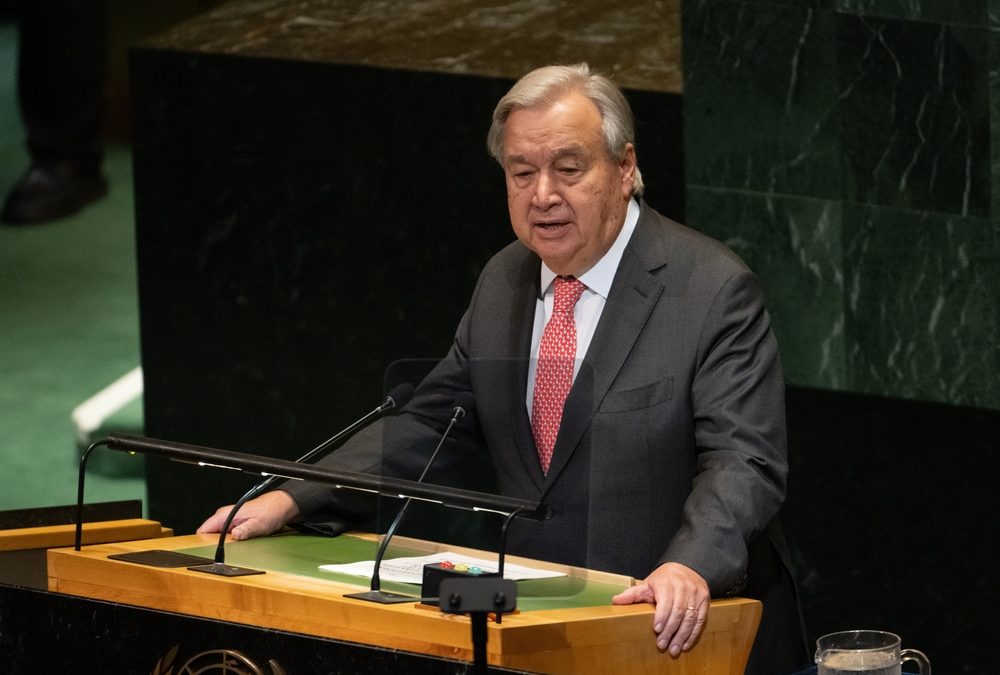
What the UN’s opening days just revealed.
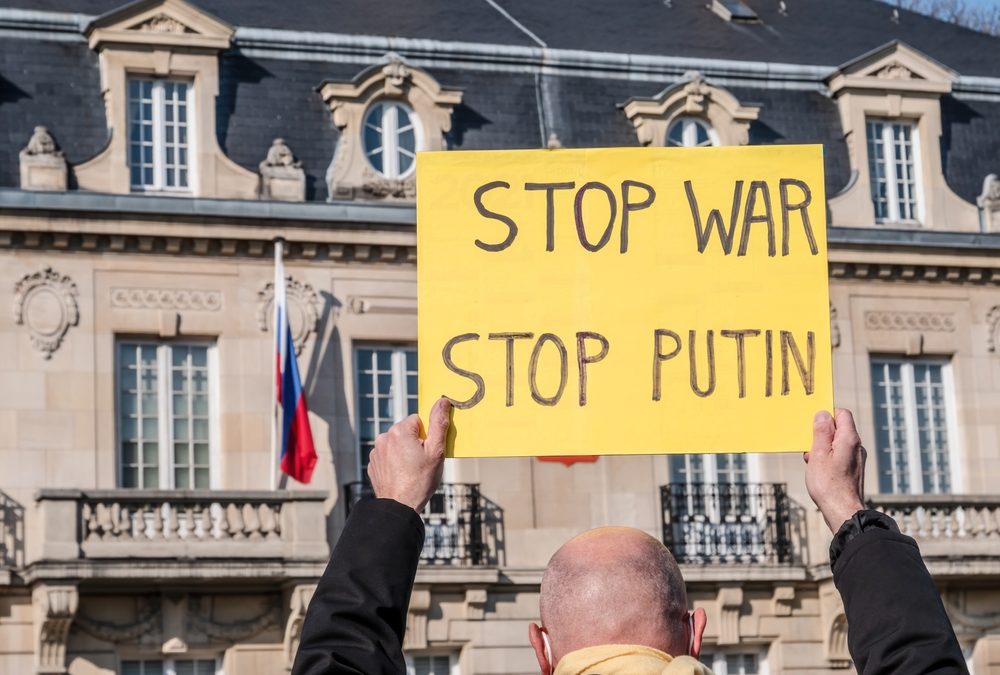
And European leaders are freaking out.
What happens when American military power can get the country into a conflict faster than diplomacy can get it out?
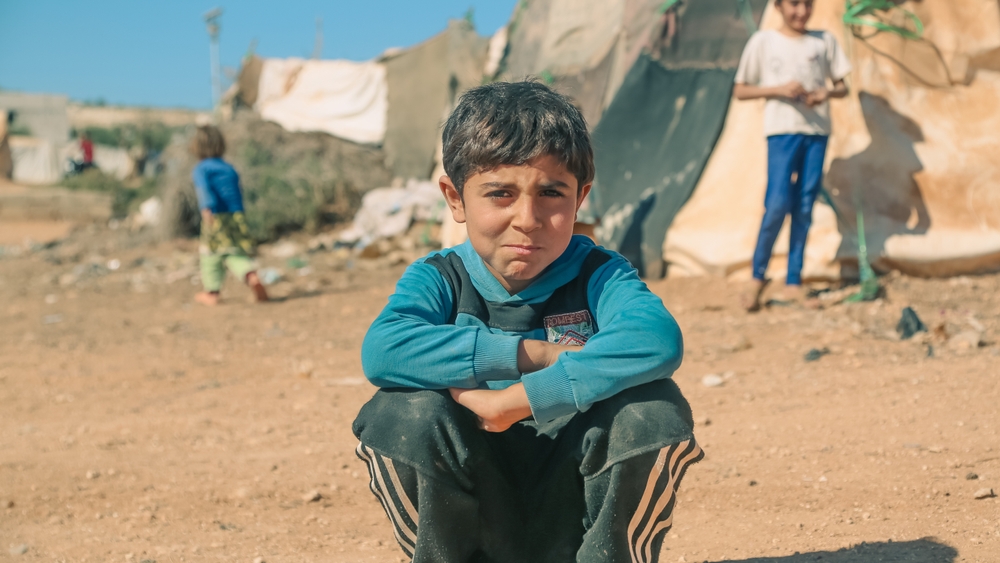
Children are paying for wars they didn’t start.
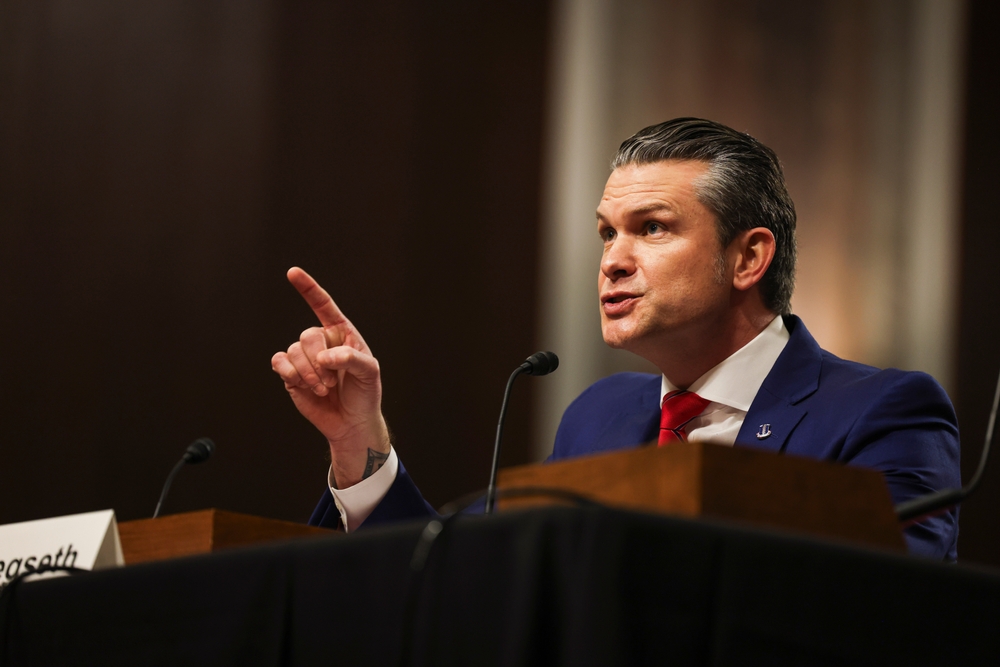
Christian nationalists are asks their followers to choose between faith and the stranger, between military might and peacemaking, between national supremacy and human solidarity.
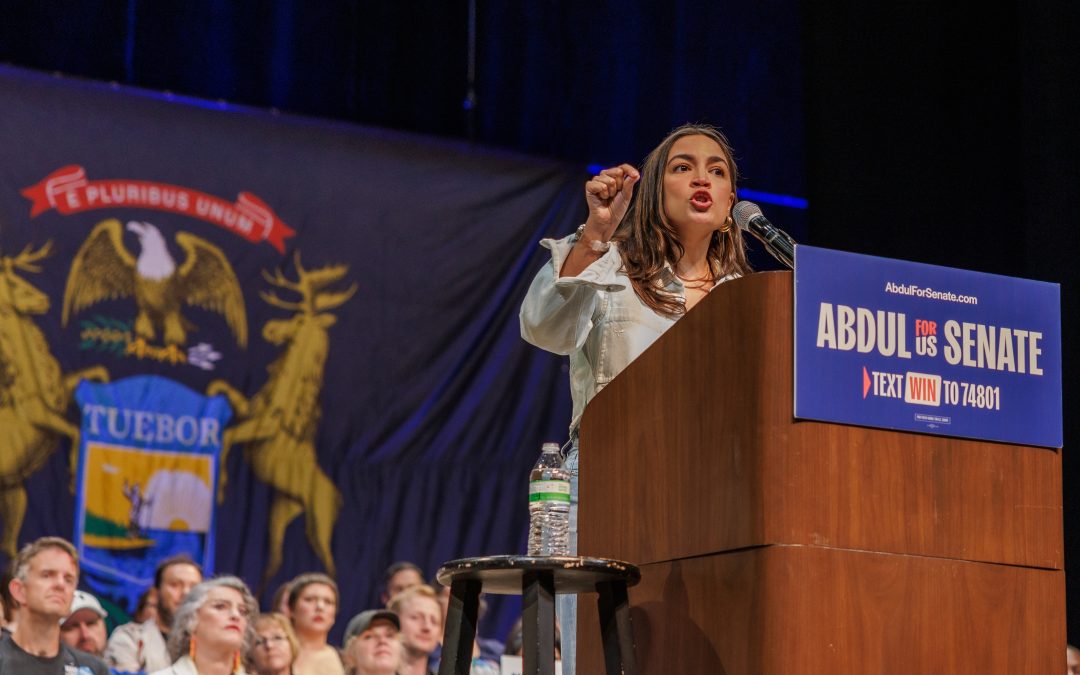
A new wave of progressive, left-wing, and socialist candidates and elected officials face an enormous challenge in articulating a foreign policy for the future. Here’s a start.
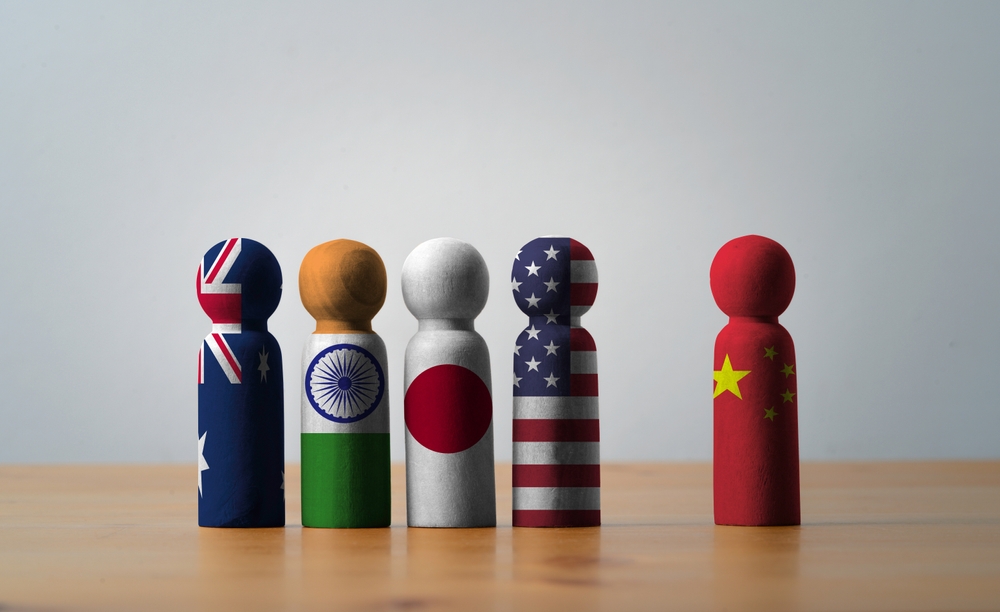
When former Biden administration official Ely Ratner last year proposed a binding, NATO-style “Pacific Defense Pact” with an integrated command structure among the United States, Japan, Australia, and the Philippines, he delivered an accidental indictment of a central...
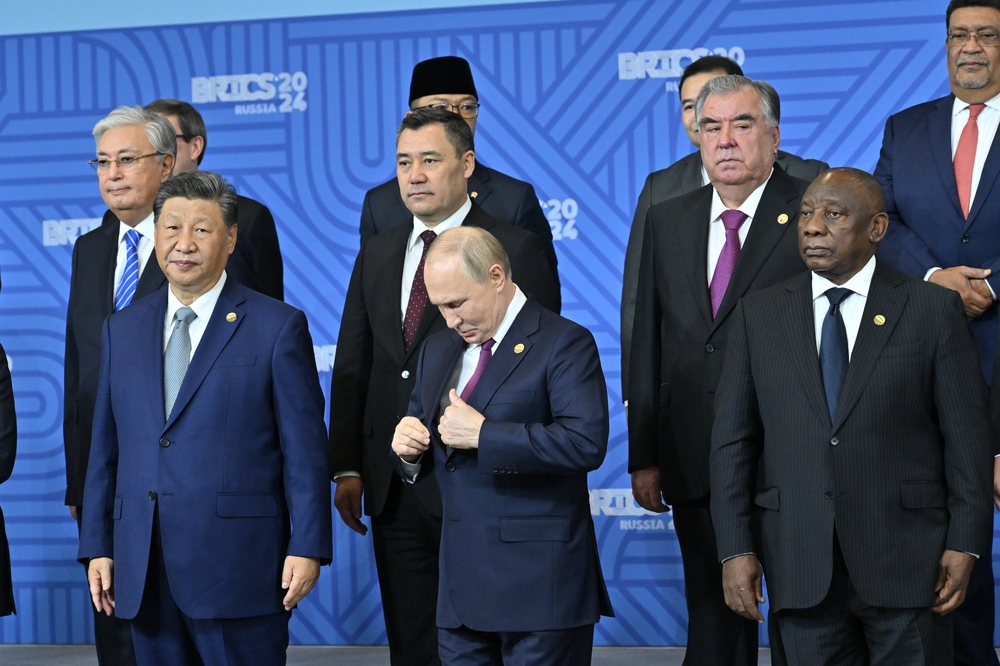
Managing acute geopolitical flashpoints like the U.S.-Iran standoff tests the bloc’s diplomatic maturity.
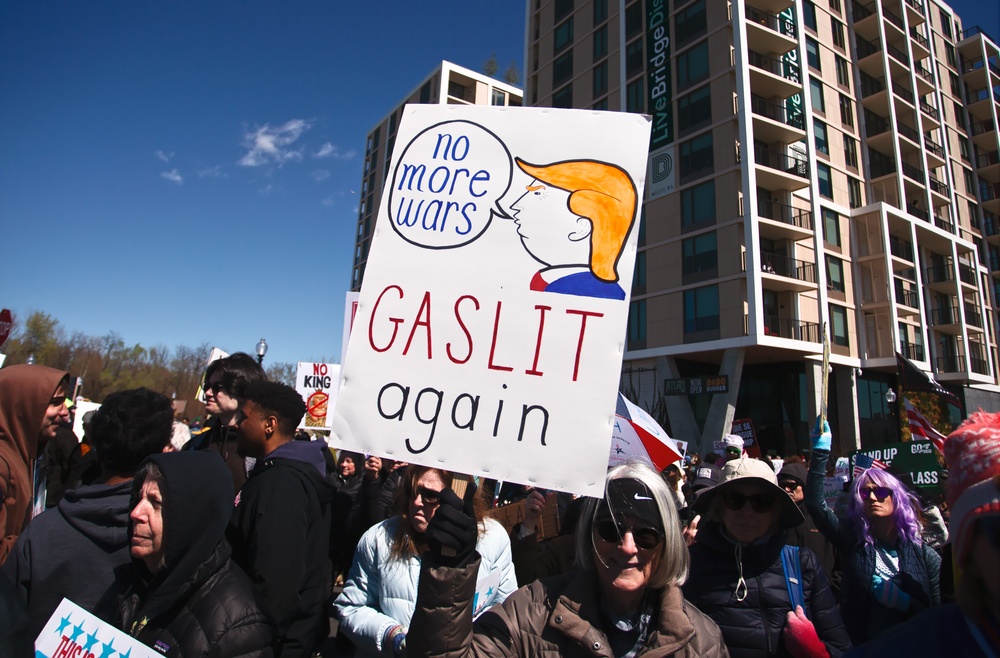
Such a policy would put the needs of ordinary Americans before bloated Pentagon budgets and forever wars.