Attacks on U.S. convoys carrying fuel are just the latest examples of a vicious circle in which oil begets war and war begets oil.
How Green Grows My War Economy
read more

Attacks on U.S. convoys carrying fuel are just the latest examples of a vicious circle in which oil begets war and war begets oil.

Too bad that the Torkham border was re-opened: the United States could have used an indefinite halt to the convoys as a pretext to leave Afghanistan.

As the dust settles on the August 10 Colombian Constitutional Court ruling declaring invalid the U.S.-Colombia military bases agreement, politicians and analysts are saying that the decision was for the better. Most of those voices come from former supporters of the deal —including Liberal Party presidential candidate, Rafael Pardo.
With a key Arab League meeting delayed until Friday, the administration of U.S. President Barack Obama is scrambling to keep one-month-old direct Israeli- Palestinian peace talks alive.
On Monday, The Washington Post ran the first of three pieces adapted from Bob Woodward’s new book Obama’s Wars, a vivid account of the way the U.S. high command boxed the Commander-in-Chief into the smallest of Afghan corners.
Despite claims by Washington and Tokyo that the controversy over the relocation of a Marine Air Base in Okinawa has been resolved, it seems increasingly likely that this will become a recurring crisis, threatening to undermine the U.S.-Japan relationship, unless addressed appropriately.
Pakistan seems to be in a double bind: Resist the United States and NATO and open the door to seizure of its nuclear-weapons program — or cooperate and suffer the same results.

Waging war is more often a sign of weakness, not strength, on the part of our leaders.
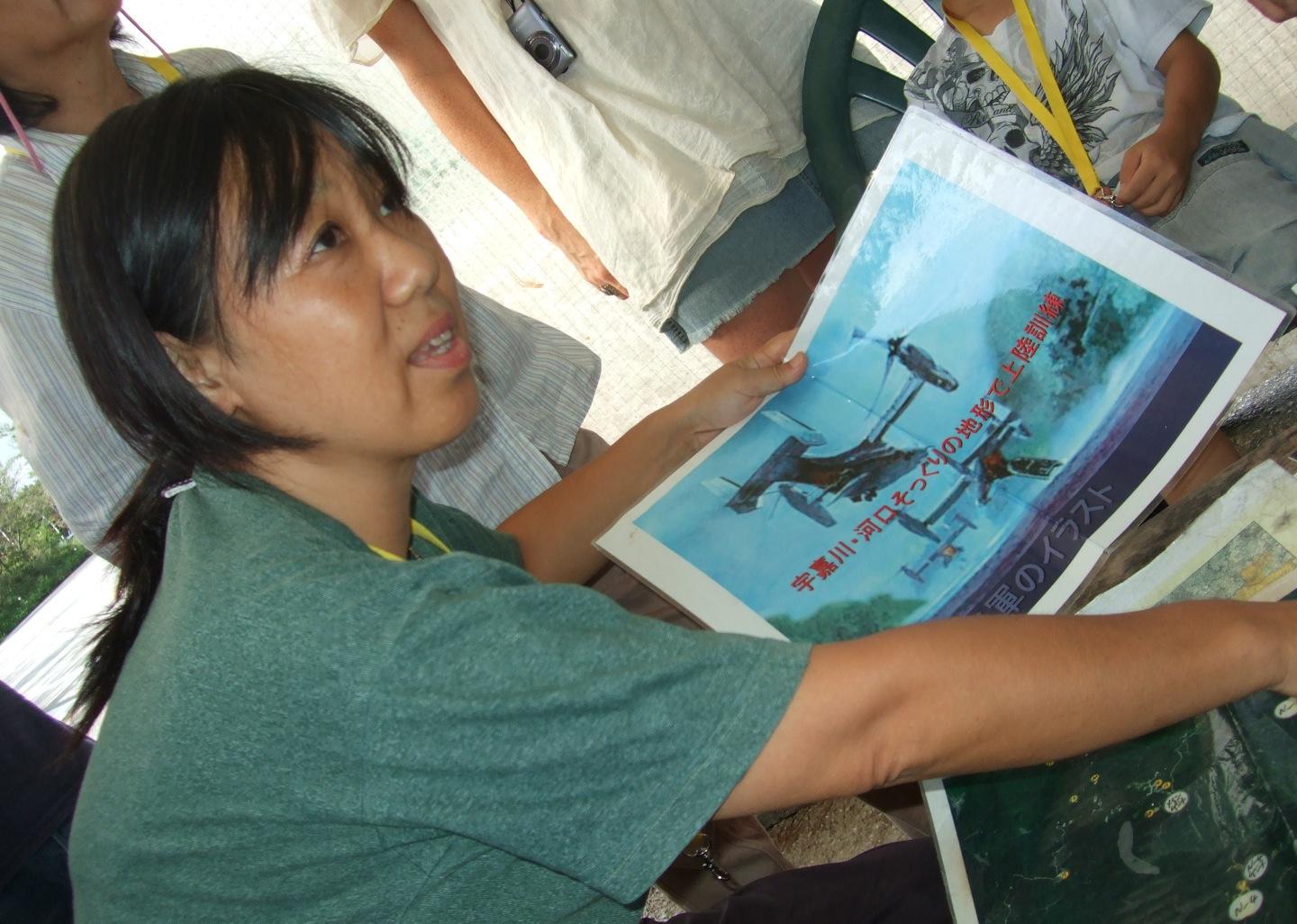
The residents of Takae, a small village in the hills of northern Okinawa, are no strangers to the American military. Since 1957, they’ve been living next to the world’s largest jungle warfare training center – and many of them are old enough to remember the days when the U.S. Marine Corps hired locals to dress up as Vietcong for its war games.

Although the clash between Washington and Tokyo over U.S. military bases on Okinawa has been officially treated as a relatively minor dispute, it has laid bare very serious underlying problems that will continue to plague the alliance. The United States expects greater Japanese engagement and cost-sharing to ensure regional security. To maintain regional stability, Japan must either become more engaged (requiring increases in military spending, and the political and social will to change existing laws and norms) or the alliance must remain asymmetric. Both of these alternatives face perhaps insurmountable obstacles in the local opposition to base expansion and the financial realities facing Japan and the United States.