The coverage of the Damini case has sparked a lively debate about how the Western media portrays rape culture abroad.
Women throughout the world are on the march, but the struggle against sexual oppression and gender rights will continue to be a difficult one, where significant steps forward will be matched by occasional steps back.
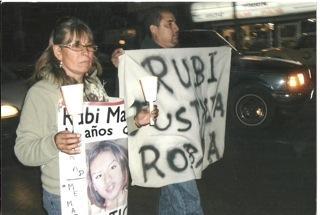
While a significant chunk of USAID spending goes to education and health programs, pockets of aid enlarge the already bloated military budgets of recipient governments. The result: less security and more violence against women, particularly women human rights defenders.
Fauzia Haji Adan was sworn in on Monday November 19, 2012, as the Somali Federal Republic’s deputy prime minister and minister of foreign affairs, making history as Somalia’s first woman to hold those posts. Another Somali woman, Maryan Qassim, was also sworn in as the minister for social services. But only a policy of sustained affirmative action can address ingrained structural imbalances against Somali women; one or two cabinet appointments won’t cut it.
The big question for foreign policy is whether Legacy Obama will be a bolder advocate for peace than the disappointing Campaign Obama. The president will need to recast a foreign policy that has been weak or downright contradictory in standing up for the principles he himself has espoused.
The role of women in Islam has generated considerable debate internationally. One remarkable documentary elucidates this discussion by sharing the story of Houda al-Habash, a Syrian Muslim preacher and leader.
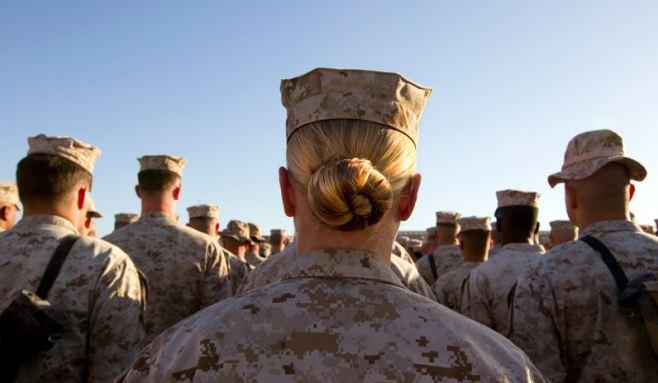
The most prominent and unequivocal public articulation of an alliance between feminism and counterterrorism came at the dawn of the U.S. war in Afghanistan, when Laura Bush argued that “the fight against terrorism is a fight for the rights and dignity of women.”
Down the road only a few generations, the millennium of Magna Carta, one of the great events in the establishment of civil and human rights, will arrive. Whether it will be celebrated, mourned, or ignored is not at all clear.
The atmosphere was tense during the DRC Briefing at IPS on June 29, 2012. The audience of 45 squeezed into the conference room to hear the updates on Rwanda’s most recent breach of Congolese sovereignty, and the Q & A session threatened to reach a fever pitch.
The increased participation of women in traditional politics in Latin America has made headlines for several years now. Last month, The New York Times published an analysis of the 2012 Women in Politics Survey of UN Women and the Inter-Parliamentary Union by Luisita Lopez Torregrosa. Torresgrosa highlighted the rising percentage of women in parliament and female heads of state in the region, including Costa Rica, Brazil, and Argentina. She and other experts attribute some of the advances to electoral quotas adopted in many countries and more general factors such as democratization, education, and public policies.