Set up the four cuts
cut support cut food cut water cut communications
still see stray guerilla roaches, though all food including edible trash
carefully removed or wrapped
in plastic.


Set up the four cuts
cut support cut food cut water cut communications
still see stray guerilla roaches, though all food including edible trash
carefully removed or wrapped
in plastic.

At 4 am on September 24, an intoxicated U.S. soldier based at Camp Casey in South Korea broke into the dorm of a high school student, threatened her with a weapon and repeatedly sexually assaulted her. Due to the extraterritoriality of the Status of Forces Agreement (SOFA) between the South Korean and U.S. governments, Seoul must issue an arrest warrant to the U.S. Forces in Korea (USFK) to transfer the soldier to face Korea’s criminal system.
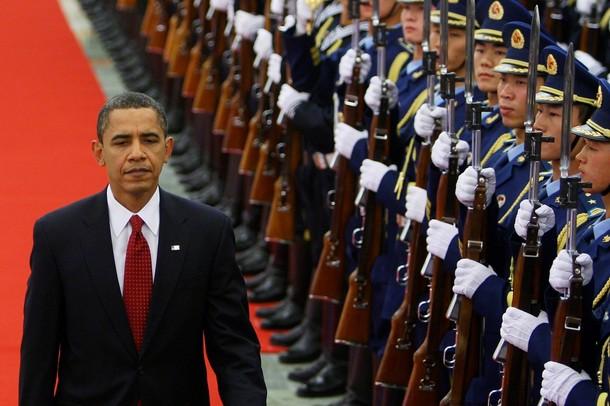
Washington, which has focused for years on North Korea’s small but developing nuclear arsenal, has barely been paying attention to the larger developments in Asia. Nor will Asia’s looming transformation be a hot topic in our own presidential election next year. We’ll be arguing about jobs, health care, and whether the president is a socialist or his Republican challenger a nutcase. Aside from some ritual China-bashing, Asia will merit little mention.
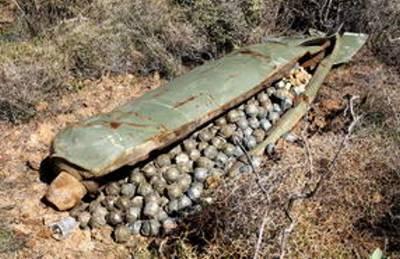
Laos, a small landlocked country in Southeast Asia known as “the most bombed country on earth,” fittingly hosted an international disarmament conference in November 2010. This was a follow-up to an Oslo conference in 2008 when 94 nations signed the Convention on Cluster Munitions (CCM), an international treaty to ban all cluster weapons following in the footsteps of the global campaign to ban landmines which came into force in 1999.
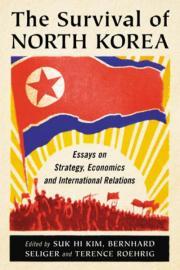
Despite the predictions of many obituary writers, North Korea is still around. It was supposed to collapse with the Eastern European communist regimes, but it didn’t. It was supposed to crumble during the great famine of the mid-1990s, but it didn’t. The hard-line policies of the George W. Bush administration were supposed to do the trick, but they didn’t. The North Korean economy is in lousy shape, the ruling elite is a gerontocracy, and several thousand North Korean citizens vote with their feet every year. But the government in Pyongyang soldiers on.

The Pentagon’s refusal to acknowledge that Agent Orange was stored on Okinawa endangers the health of both local Okinawans and American service members currently stationed on the island.

In a rare show of bipartisanship, Senators Robert Menendez (D-NJ) and John Cornyn (R-Tx) jointly introduced legislation demanding that the administration sell F-16s to Taiwan.

Agent Orange, the notoriously toxic defoliant first used by U.S. troops during the Vietnam War, has long been known to cause liver cancer, birth defects, leukemia, and other illnesses in people exposed to it. Although the U.S. military hasn’t actively used the chemical since the 1970s, a number of forgotten victims are still suffering the nightmare of its contamination.
Living in Japan in the late 1990s, I was struck by the sheer number and variety of manga or comic books. You could go to a manga store and find an entire aisle devoted to your particular genre: golfmanga, comics about the Japanese yakuza (mafia), mecha that focus exclusively on giant robots. Name your interest – or your fetish – and there was a manga series for you. Unlike the United States, where young people were the primary audience for comic books, a huge number of Japanese manga appealed to adults, who read the thick books on the subway or in coffee shops. During the prolonged economic crisis in Japan, it was not uncommon for downsized salarymen to pretend to their families to go to work and instead spend the entire day at the manga cafes,mangakissa, reading comics about, among other things, salarymen.
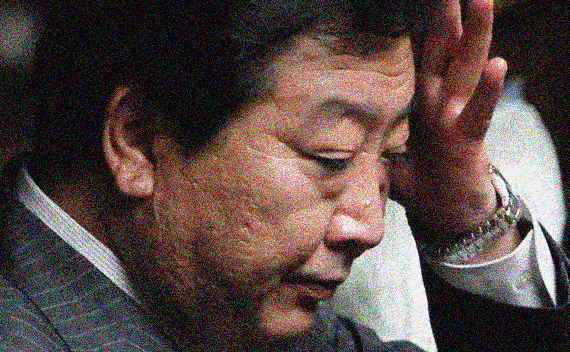
Japan needs China’s market for its technology. It also needs low-priced daily necessities made in China.