If the U.S. made a deal with Maoist China in the 1970s, it can surely cut one with North Korea today.

It’s Time to Make a Deal With North Korea
read more

If the U.S. made a deal with Maoist China in the 1970s, it can surely cut one with North Korea today.
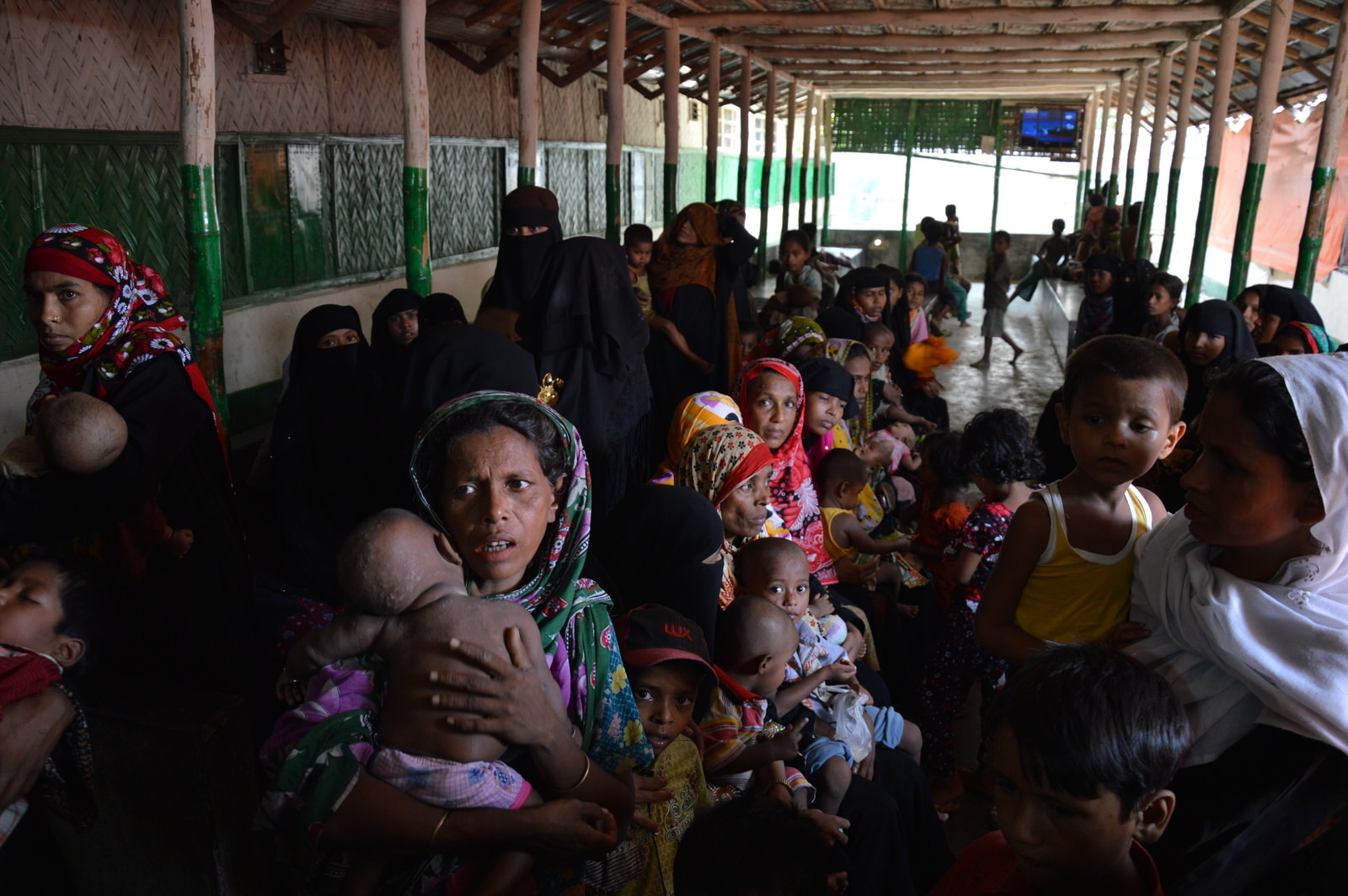
If only Muslims reach out to help the Rohingya, the international community will suffer another blow to its reputation.

If Trump succeeds in ramping up military spending and gutting everything else, we’ll be left with a bunch of nukes and an underfunded state — and no one but China to keep us afloat.

South Korea’s alliance with the U.S. means foreign troops on its soil, strained relations with China, and a North that sees no point in negotiating with anyone but Washington.

Here and abroad, Trump’s wealthy backers understand that his populist rhetoric is a masquerade.

Some in the Trump administration are still eyeing regime change in North Korea. They’re missing what’s really going on over there.

The same risk of nuclear miscalculation that haunted U.S.-Soviet relations still hovers over the Korean peninsula.

In Papua New Guinea, the Trump administration is combining its fondness for extractive industries with its disregard for human rights.

The United States is using this Pacific colony as its own private firing range.

Global uprisings against corruption can fuse middle-class concerns over the rule of law to a more radical critique of unequal political systems.