Young people, studying and working together across borders, is the basis of future cooperation.

Beyond the Summit: The Real Foundation of China-U.S. Stability
read more

Young people, studying and working together across borders, is the basis of future cooperation.

Both countries are dependent on what’s trickling right now through two critical chokepoints.

America is trying to hold onto its superior tech while China is sharing with the rest.
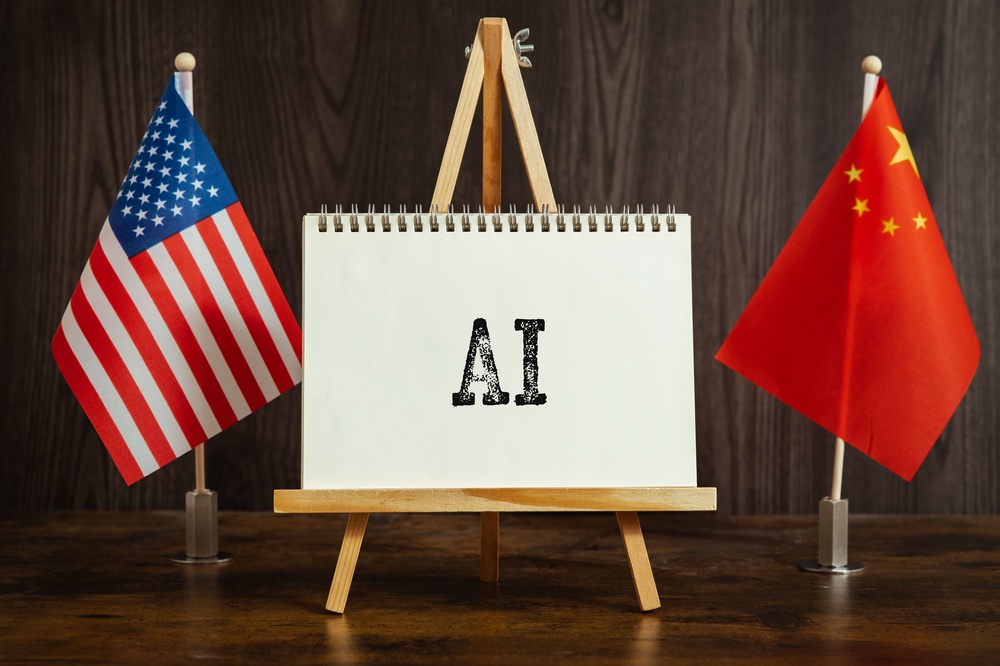
Cooperation is the cheaper (and safer) alternative.
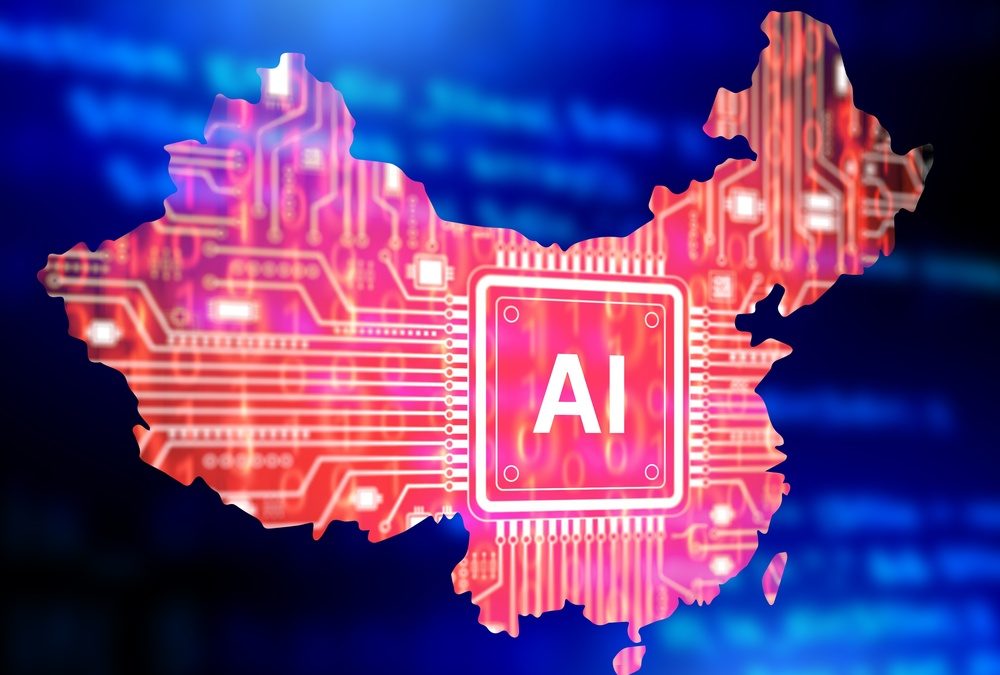
The Commerce Department is trying to keep computer chips out of the hands, but it’s only succeeding in hurting U.S. business.

The two major superpowers have asymmetric super powers.
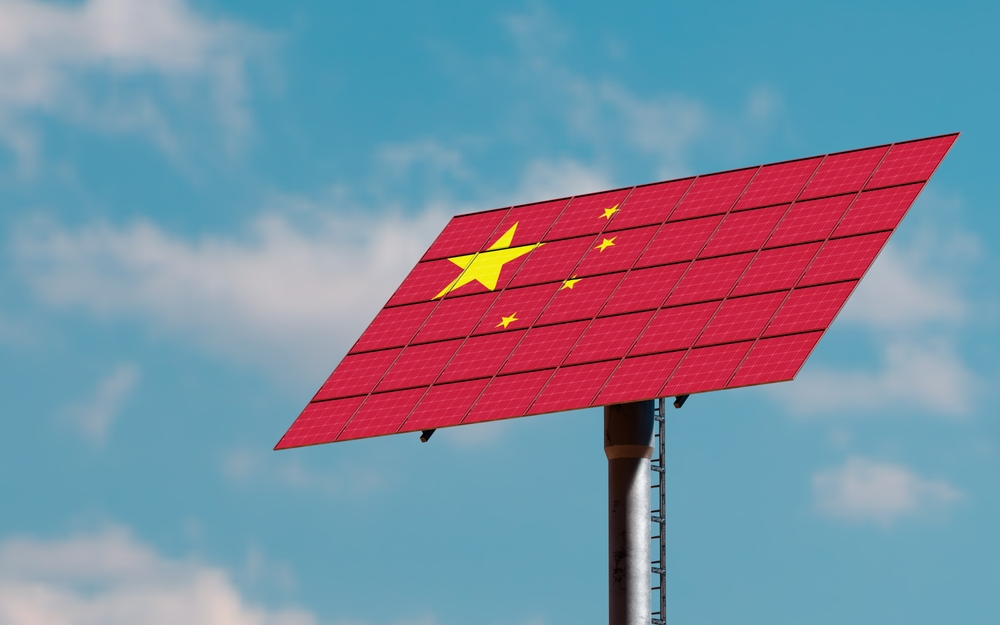
Renewable energy is creating a new kind of independence.

The U.S. AI industry is incapable of restraining its own models and incapable of protecting its own users.
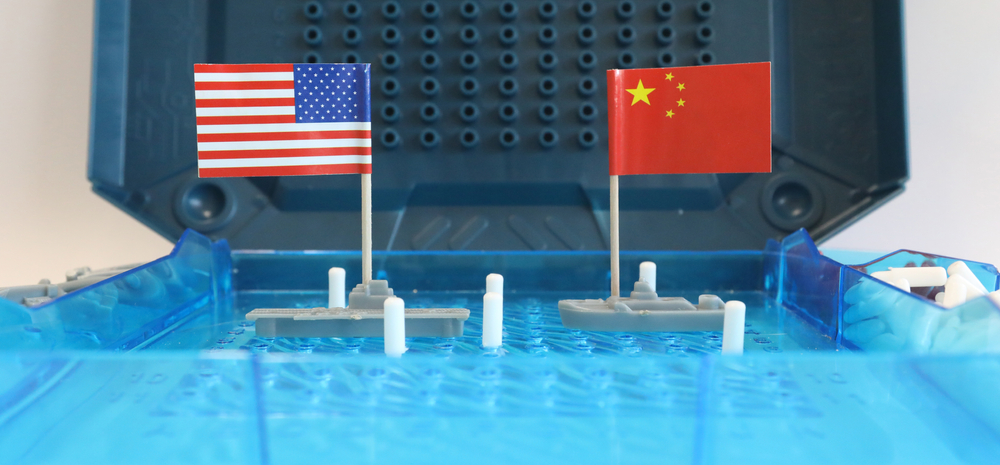
But Beijing didn’t get the message.

A new health care reform based on biometric identity carries risks of function creep and future authoritarianism.