China has grown more willing to assert historical claims to its sphere of influence, but it would be a mistake to regard this as “aggression” that requires an American response.
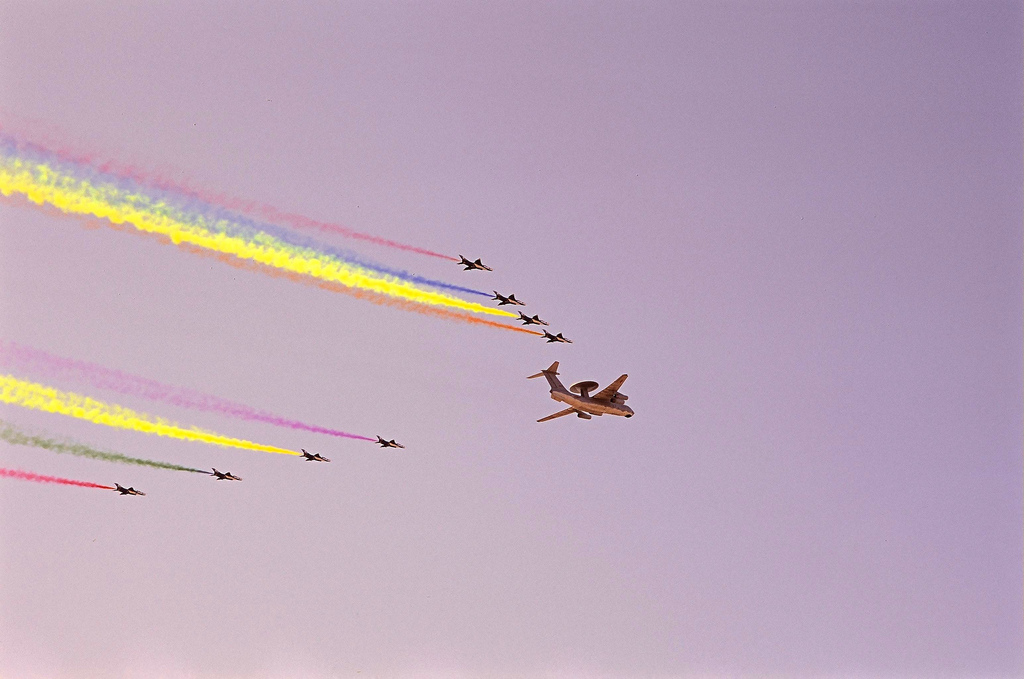
China’s Struggle over Air and Sea
read more

China has grown more willing to assert historical claims to its sphere of influence, but it would be a mistake to regard this as “aggression” that requires an American response.

Is a green energy revolution on the global agenda?

China’s good relations with states at odds with each other could yield results at the negotiating table soon.

A proposed canal in Nicaragua, built by China, is a tangible signal that the United States can’t set the terms of the world economy forever.
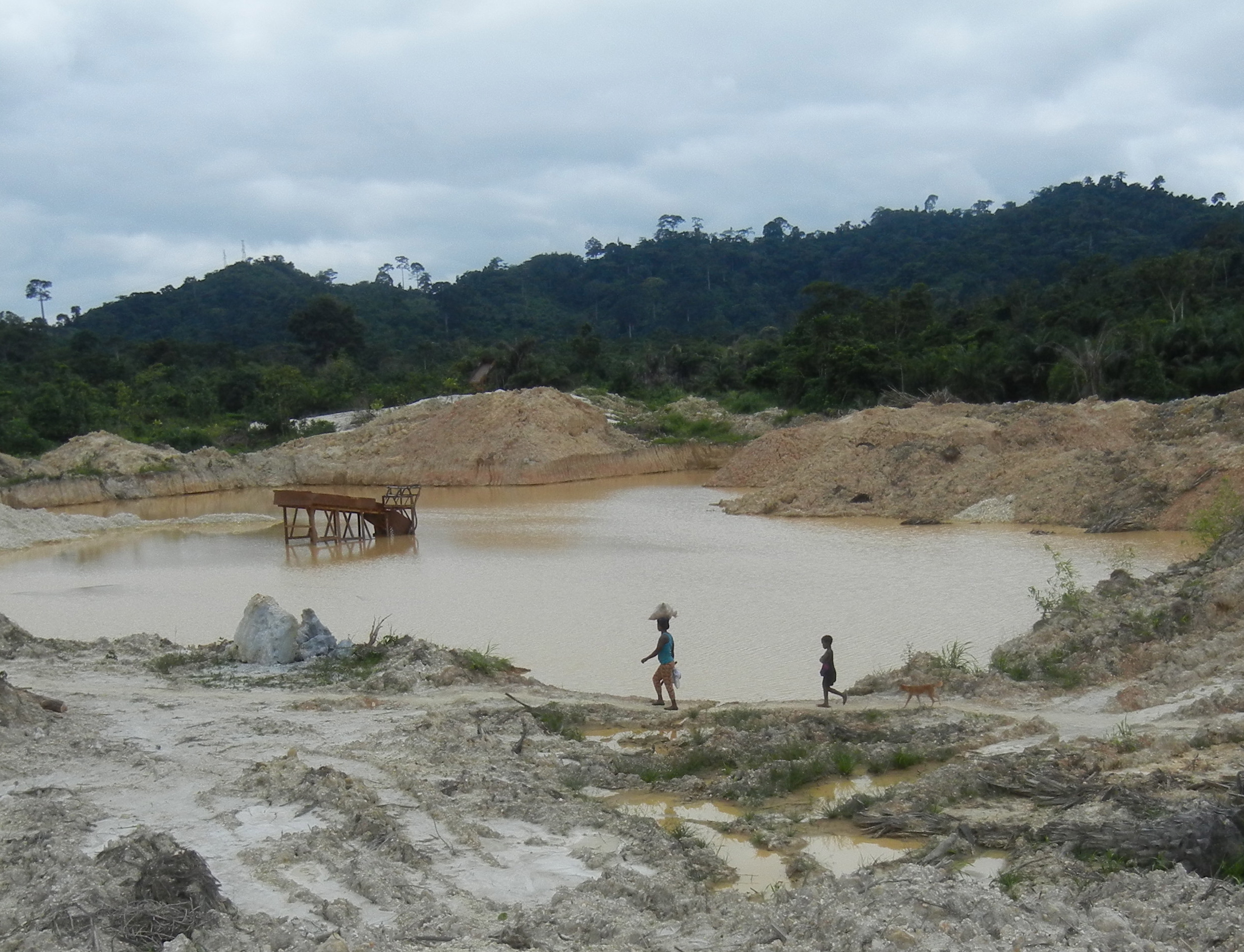
Compared to the West’s neoliberalism, China’s approach to investment in Africa has often been somewhat idealized as more of a “partnership” with the host country, with less moralizing by the Chinese over human rights practices and fewer strings attached economically....

As Iraq and Afghanistan fade from memory, North Korea has entered the U.S. imagination as the latest threat to national security. Alongside hysterical warnings of impending attack, many foreign policy analysts argue that events on the peninsula reflect an emergent...

Following the signing of an agreement between the Tanzanian energy company TANESCO and China Power Investment corporation (CPI) to build a gas-fired power plant, Tanzania’s Minister for Energy and Minerals announced that Tanzania planned to export electricity by 2015....

Not long ago, Chinese authorities detained Xu Zhiyong, a prominent civil rights advocate, for “assembling a crowd to disrupt order in a public place,” despite the fact that he had been under house arrest for over three months. Although the incident comes as little...

“The 2,000 something yuan state compensation will be of help to my poor family but it’s really not a lot of money. The main reason for my appeal is to prove my innocence,” Tang Hui, mother of a rape victim, told the South China Morning Post. On July 15, Hunan...

A storm is brewing in the Western Pacific. As the Asia-Pacific region descends into a period of destabilizing conflict, the Philippines is quickly becoming a frontline state in the U.S. strategy to contain China—the central thrust of the Obama administration’s...