Wartime information galvanized support at home, while encouraging those abroad not to give up the fight until help arrived.

UN Origins Project Series, Part 2: The Importance of Information in Wartime
read more

Wartime information galvanized support at home, while encouraging those abroad not to give up the fight until help arrived.
This project builds on the recently published book, “America, Hitler and the UN: How the Allies Won World War II and Forged a Peace,” by Dan Plesch, the Director of the Centre for International Studies and Diplomacy.
There is no denying that Anders Behring Breivik’s manifesto and beliefs are rooted in a distinctly post-9/11 ideology of anti-Islamism.
To Pamela Geller, the youths at Utoya were elitist anti-Semites, Hitler youth, not to mention race-mixers.
Pakistan has neither the manpower nor the money to fortify its border with Afghanistan.
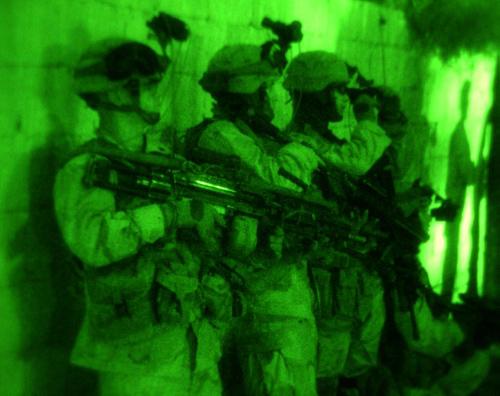
Adapting to an unconventional war, the United States and its allies picked up some new tactics in Afghanistan and Pakistan. In the past few years, drone attacks and night raids have become staples of the effort to combat al-Qaeda and the Taliban. The announcement of a new counterterrorism strategy and the beginning of troop withdrawals from the conflict suggest that these methods are poised to become fixtures of how the U.S. combats global terrorist threats.

The July 12 assassination of Ahmed Wali Karzai in Kandahar is one of those moments when the long and bloody Afghanistan war suddenly comes into focus. It is not a picture one is eager to put up on the wall.
Scandinavians have a dual reputation for tolerance and homogeneity: a population of pale, polite people who speak English perfectly. But that’s your grandfather’s Scandinavia. Over the last several decades, the region has become a great deal more diverse after a steady influx of immigrants from the east and south. And the tolerance has become considerably frayed with the more recent rise of several right-wing xenophobic parties.
Anders Behring Breivik was influenced by the writing of a third-rate U.S. terrorism “expert.”
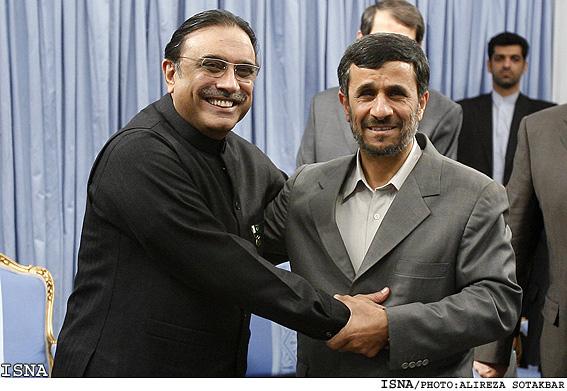
Pakistani President Asif Ali Zardari paid a second visit to Tehran last weekend after having been there only three weeks ago. Official reports by Pakistani and Iranian sources broadly characterized the visit as “part of the ongoing process to strengthen bilateral ties, step up consultations with countries in the region for peace and stability at a time when tension was developing in some parts and for promoting peace and stability in Afghanistan and fighting militancy.” But this rationale hardly warrants two head-of-state level official visits in such a short span of time. After all, lower-level officials could have dealt with such concerns, as in the past.