Amid general rejoicing that the worst may be over, many Hondurans fear that the coup’s success represents a threat to the future stability of a democratic state
Coup’s Impact on Honduran Women
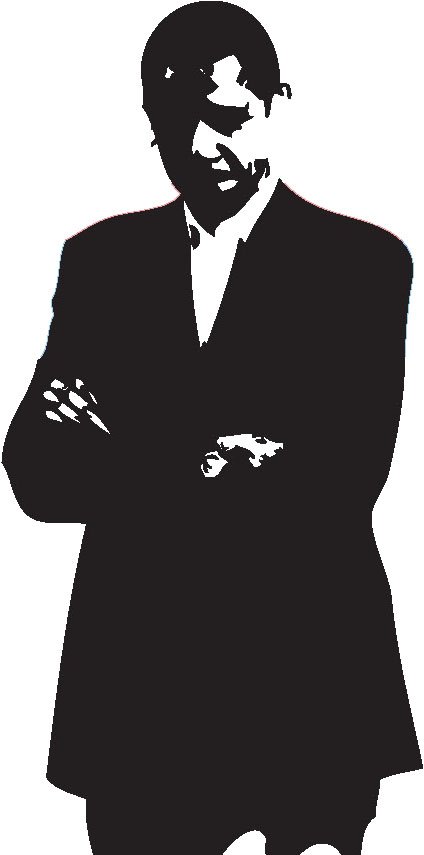
Ms. Magazine’s inaugural cover featured President Obama in Superman pose, ripping open his suit coat and dress shirt to reveal a T-shirt that proclaims: "This is what a feminist looks like." Photoshop tricks aside, Honduran women need this to be true. They need the Obama administration to fully grasp the plight of Honduran women and their families and act decisively on their behalf.
Opportunities and Risks in Honduras
Oil Nationalism in Latin America
Latin America is endowed with 132 billion barrels of “proven” oil. Venezuela, Brazil, Mexico, and Ecuador have significant reserves and strong state involvement in the exploration and production of oil through their nationalized companies PetrÛleos de Venezuela (PdVSA), Petrobras, Pemex, and Petroecuador, respectively. There have been several notable legal developments this year in all four nations, which will have consequences for U.S. energy policy and thus its relations with oil providers overseas.
Honduran Coup: The U.S. Connection
While the Obama administration was careful to distance itself from the recent coup in Honduras — condemning the expulsion of President Manuel Zelaya to Costa Rica, revoking Honduran officials’ visas, and shutting off aid — that doesn’t mean influential Americans aren’t involved, and that both sides of the aisle don’t have some explaining to do.
Electoral Hypocrisy in Latin America
Honduras has been violently crumbling into a state of political crisis since the coup that ousted President Manuel Zelaya on June 28. The disaster Honduras faces today stands in stark contrast with the political climate in Colombia, even though they have faced similar situations.
Honduras: A Broken System
President Manuel Zelaya and his opponents now in charge in Honduras remain in a standoff. Inside the country, supporters of both sides are waging mass protests, while concerns continue regarding media censorship. This crisis provides an opportunity to look more closely at the Honduran political system and how it “broke.” Even more importantly, it’s a chance to consider what life is like for the average Honduran and how the United States impacts that small Central American country.
School of Coups
The day after Honduran President Manuel Zelaya was deposed, President Barack Obama cautioned against repeating Latin America’s "dark past," decades when military coups regularly overrode the results of democratic elections. Obama went on to acknowledge, in his understated way, "The United States has not always stood as it should with some of these fledgling democracies."
Revamping Plan Colombia
The U.S. Air Force made its last flight from its military base in Manta, Ecuador in mid-July; it’s closing because of Ecuador’s concerns over arrogance and aggression. While the Pentagon abided by the eviction, it didn’t use the occasion to re-examine its missions in the region or correct its overreach. On the contrary, the military appears to be escalating its operations in the Andes.
El Salvador’s Gold Fight
As El Salvador transitions from decades of conservative rule to the administration of leftist President Mauricio Funes, the country faces an international showdown triggered by a restrictive free-trade agreement between the United States and Central America. Canada’s Pacific Rim Mining Corporation is suing the government for its refusal to allow it to mine gold in El Salvador’s rural north. If Pacific Rim succeeds in securing the $100 million settlement it seeks, that would set a troubling precedent. At stake is a question that affects all nations: Can private interests trump national sovereignty under international law?