Middle East & North Africa
Winners and Losers in a New Middle East

Winners and Losers in a New Middle East

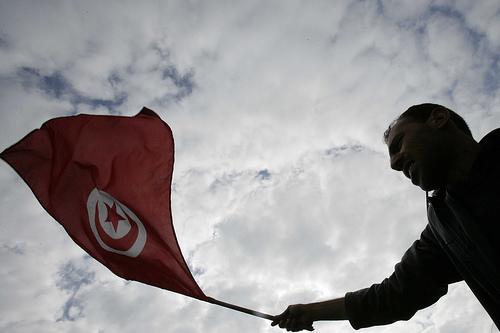
The Middle East faces a moment of truth as country after country rises up against its authoritarian leaders. No government is secure against the people-powered protest movements sweeping the region. These dramatic events will likely be the greatest U.S. foreign policy challenge over the next decade. The regional security framework — with new roles for Egypt, Saudi Arabia, Turkey, Iran, Syria, Israel, and the likely Palestinian state (or states) — is evolving, and Washington must reexamine how it defends its regional interests in a new way.

read more
Obama’s Mideast Speech: Two Steps Back, One Step Forward

Obama’s Mideast Speech: Two Steps Back, One Step Forward

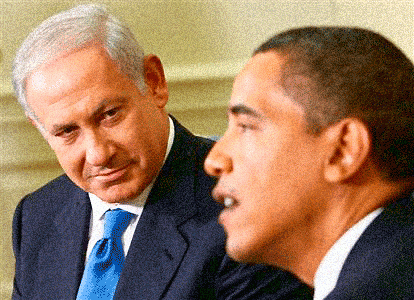
Although President Barack Obama’s May 19 address on U.S. Middle East policy had a number of positive elements, overall it was a major disappointment. His speech served as yet another reminder that his administration’s approach to the region differs in several important ways from that of his immediate predecessor, but he failed to consistently assert principled U.S. support for human rights, democracy, or international law.

read more
Zoning Out Nukes in the Middle East

Zoning Out Nukes in the Middle East

The problem of nuclear weapons in the Middle East extends beyond just Israel and Iran. Turkey, Saudi Arabia, Egypt, Syria, the United Arab Emirates, and perhaps other countries in the region could go nuclear as well. A Weapons of Mass Destruction-Free Zone, which appears unrealistic given Israel’s refusal to even officially acknowledge its nuclear arsenal and the U.S. support for this stance, would be much better than an unfettered nuclear arms race in the region. 

read more