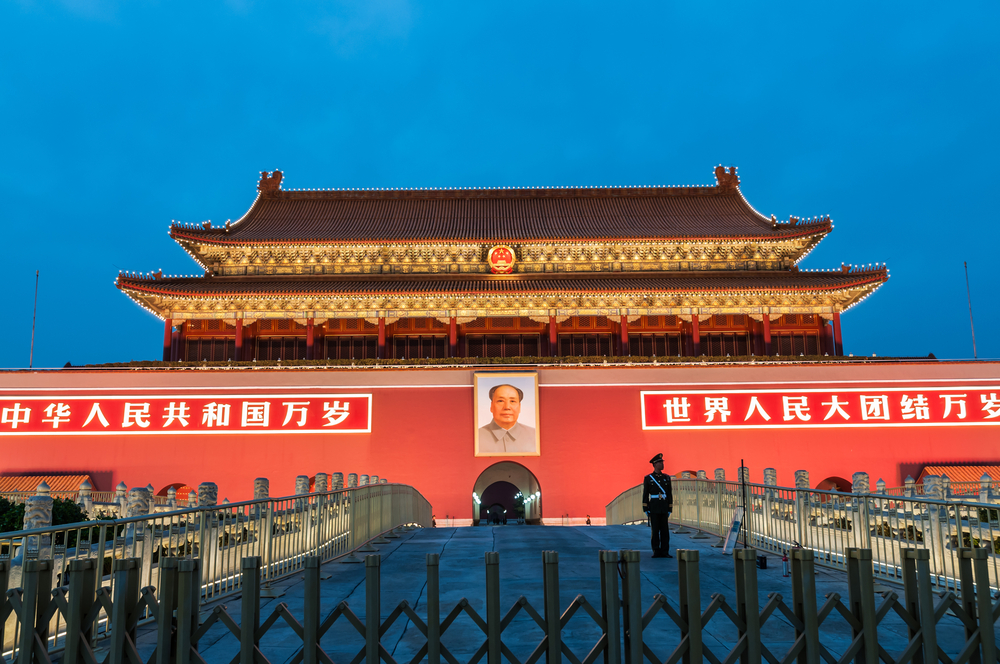
The Communist Party of China led three revolutions of world-historic significance in its short 100-year-history: national liberation, the “Cultural Revolution,” and China’s rapid capitalist transformation.
The strengths of Chinese-style capitalism have also been its vulnerabilities.
Like Singapore’s recently deceased Lee Kuan Yew and China’s Deng Xiaoping, Vladimir Putin is establishing a political succession that ensures continuity for his brand of authoritarianism.
Relations between Hong Kong and mainland China have fallen to some of their greatest depths since the city’s handover to Beijing.
China’s once-in-a-decade leadership transition will have major implications for China’s neighbors in Southeast Asia. Given this, it might be worthwhile to review the changing understanding of the momentous developments in China on the part of people in our region, using my generation—the so-called “baby boomers”—as an example.
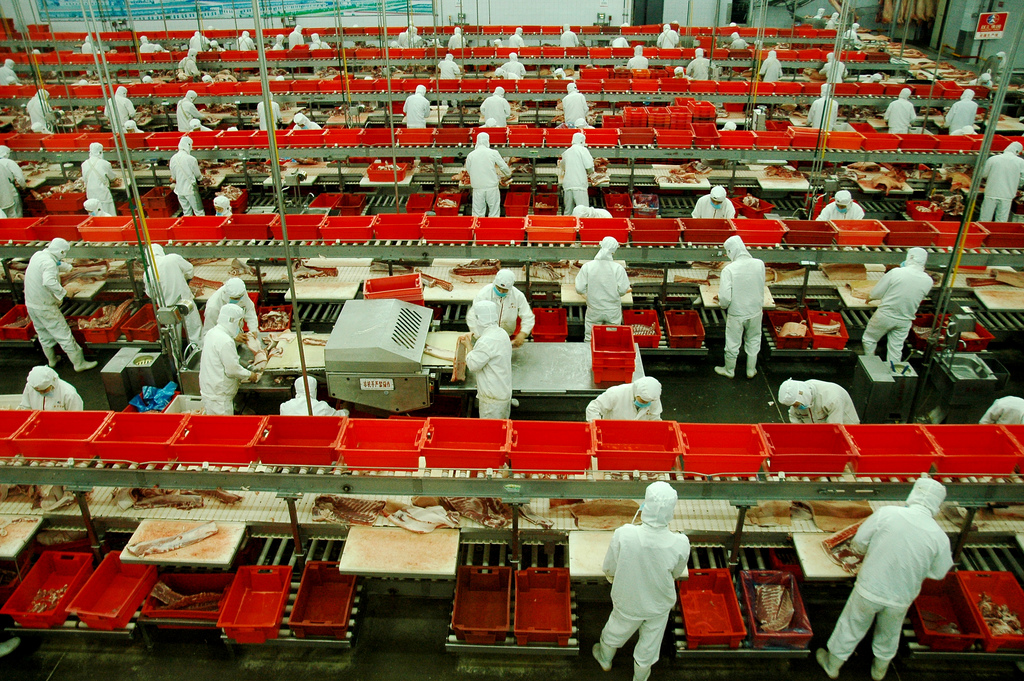
The economic boom Deng Xiaoping sparked in 1980 brought millions out of poverty and turned China into the world’s factory. However, by following in the footsteps of many western countries that opted to “pollute first and clean up later,” China built its economic success on a foundation of ecological destruction. This environmental destruction is threatening the economy, human health, and social stability, as well as potentially causing irreparable damage to the water, soil, and forest ecosystems.